HOW TO DO SEATED CABLE ROW
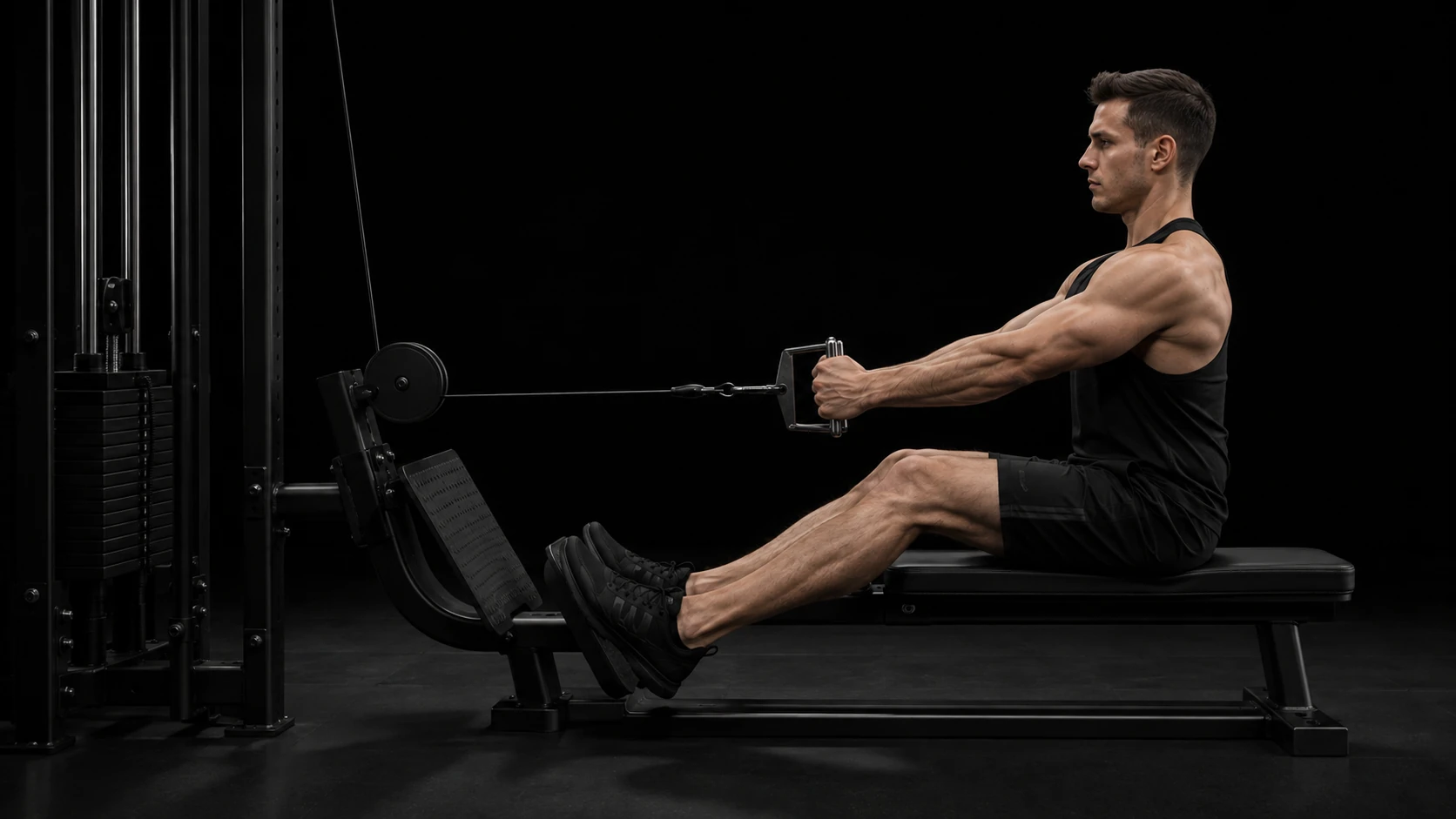
- Sit tall on the pad, feet on the plate, knees softly bent. Start with the arms long and the shoulders reached toward the stack — that stretch is the start, not a good-morning.
- Pull the handle to the lower chest / upper abs. Elbows drive back, chest up, scaps together. Do not shrug the finish into the ears.
- Pause on the torso. Then let the shoulders reach forward on the return until the lats stretch. A small hip hinge on the stretch is fine; a 45° rock is not.
- Match the handle to the intent: close V to the sternum, wider bar a little higher. Note the attachment if you switch.
COMMON MISTAKES
- Rowing with the low back. If every rep is a hip hinge that yanks the pin, the stack is too heavy. The torso can nod a little on the stretch. The work is still the pull, not a seated good-morning.
- Shrugging the last two inches. Elbows back, shoulders down. A shrugged finish is a trap set you did not log. If the handle only moves because the shoulders went up, drop the pin.
- Logging machine seated row here. Chest-pad machines are a different slug and a different PR. Scan the tag. This one is the free-sitting cable.
- Never reaching at the stretch. Starting every rep from a squeezed upper back is a half-rep. Let the shoulders go forward, then pull. That is the lat, not sloppy rounding.
VARIATIONS
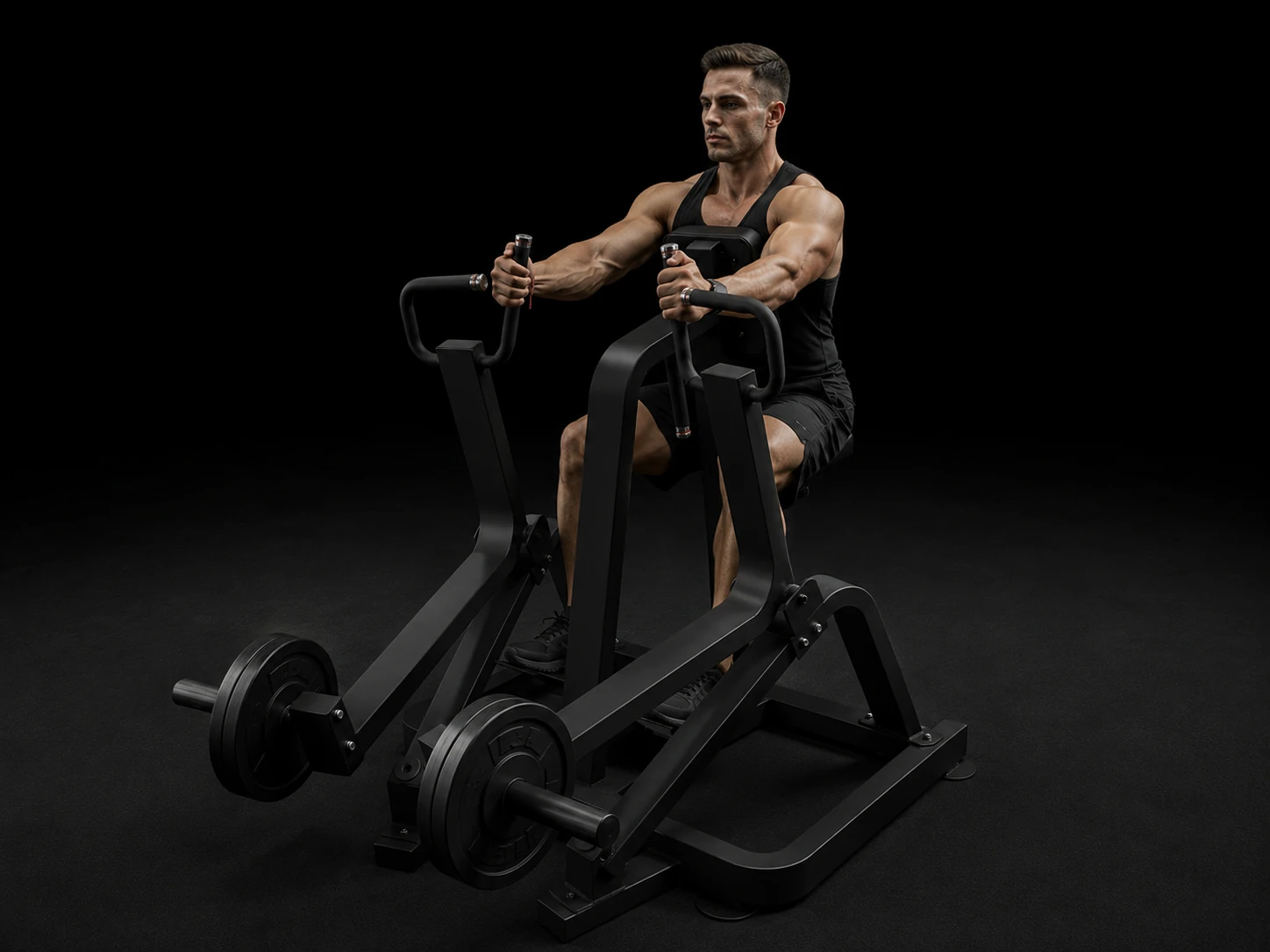
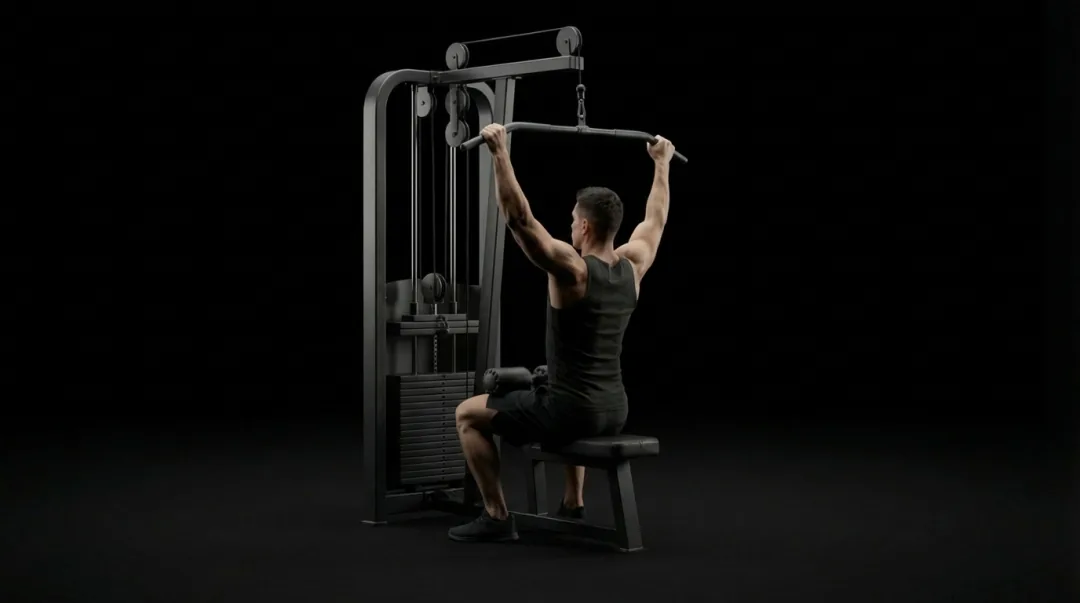
- Machine seated row — Chest pad, less low-back tax. Use it when the back is cooked.
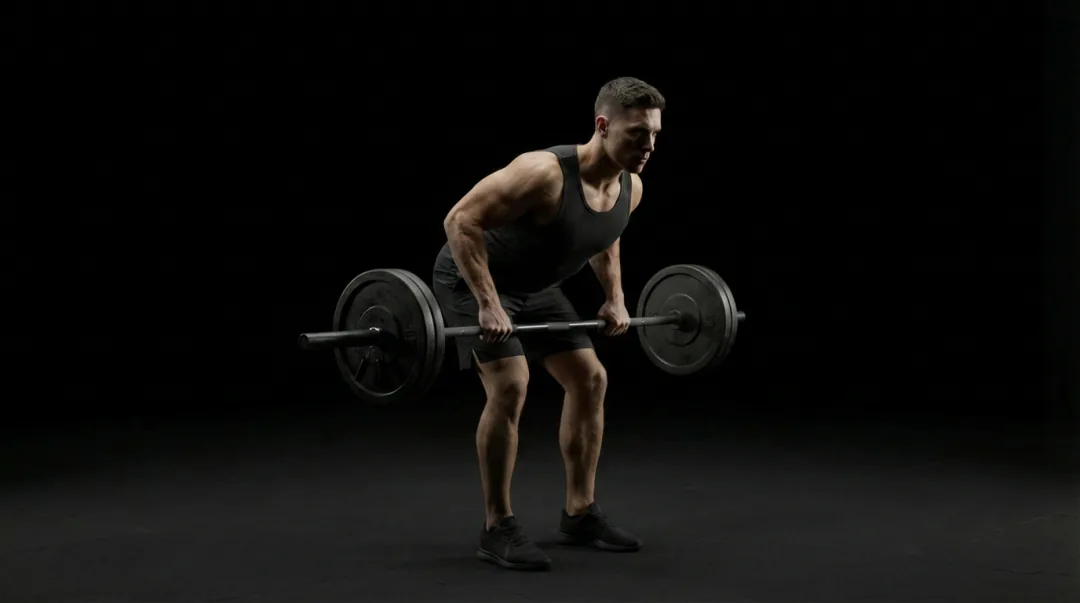
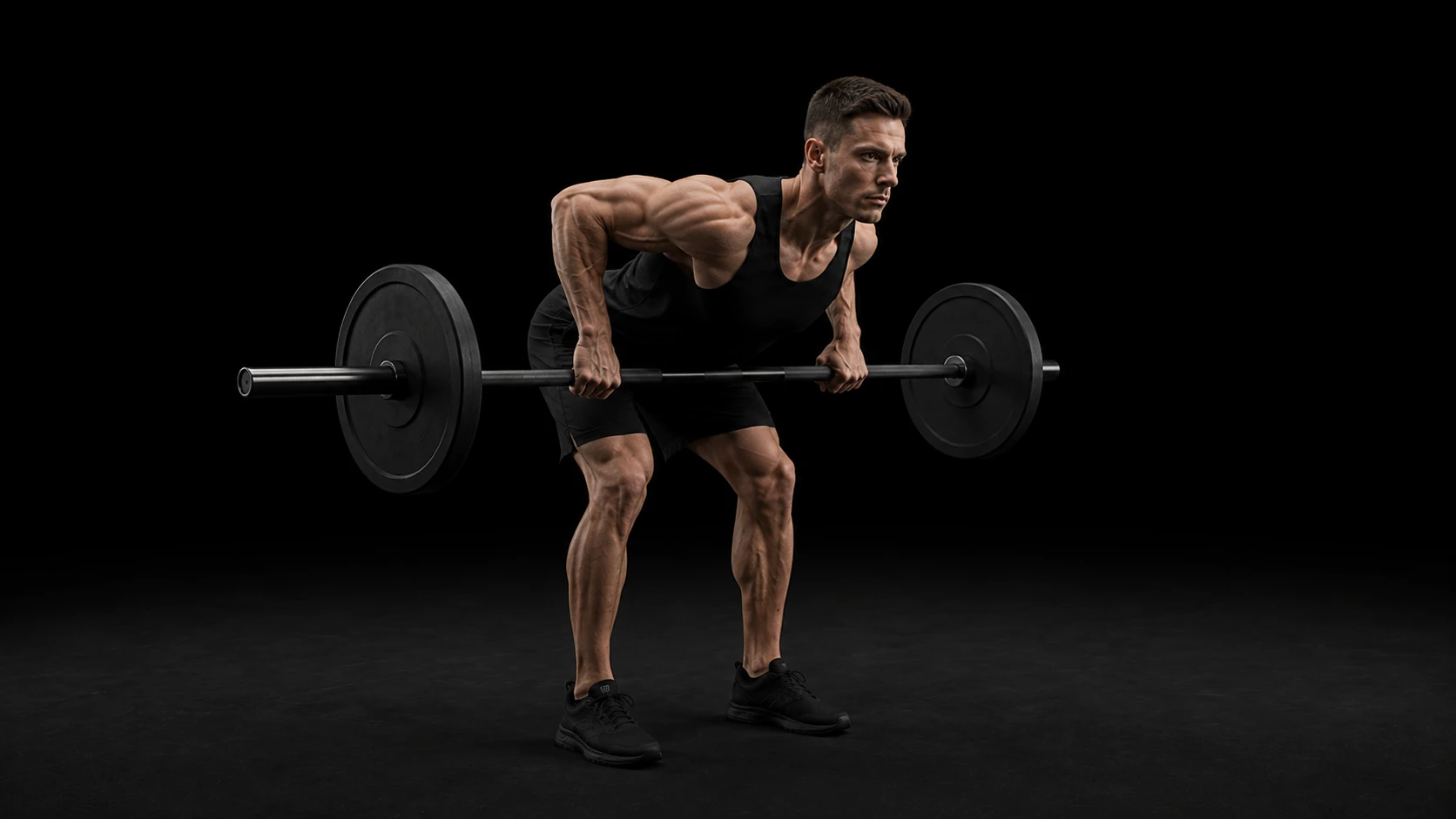
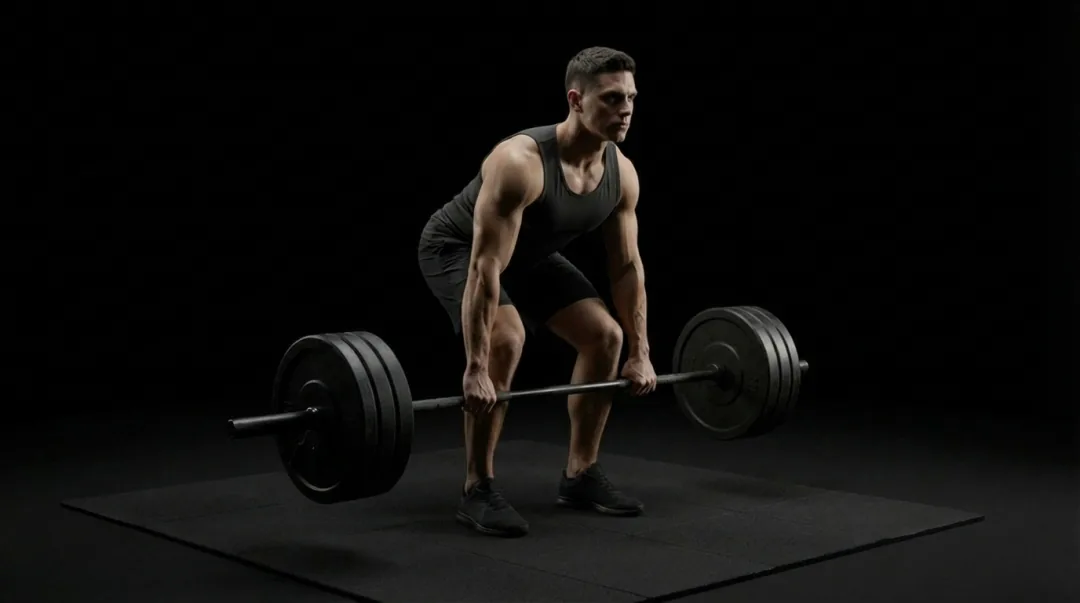
- Barbell bent-over row — More load, more hip hinge, the free-weight cousin.
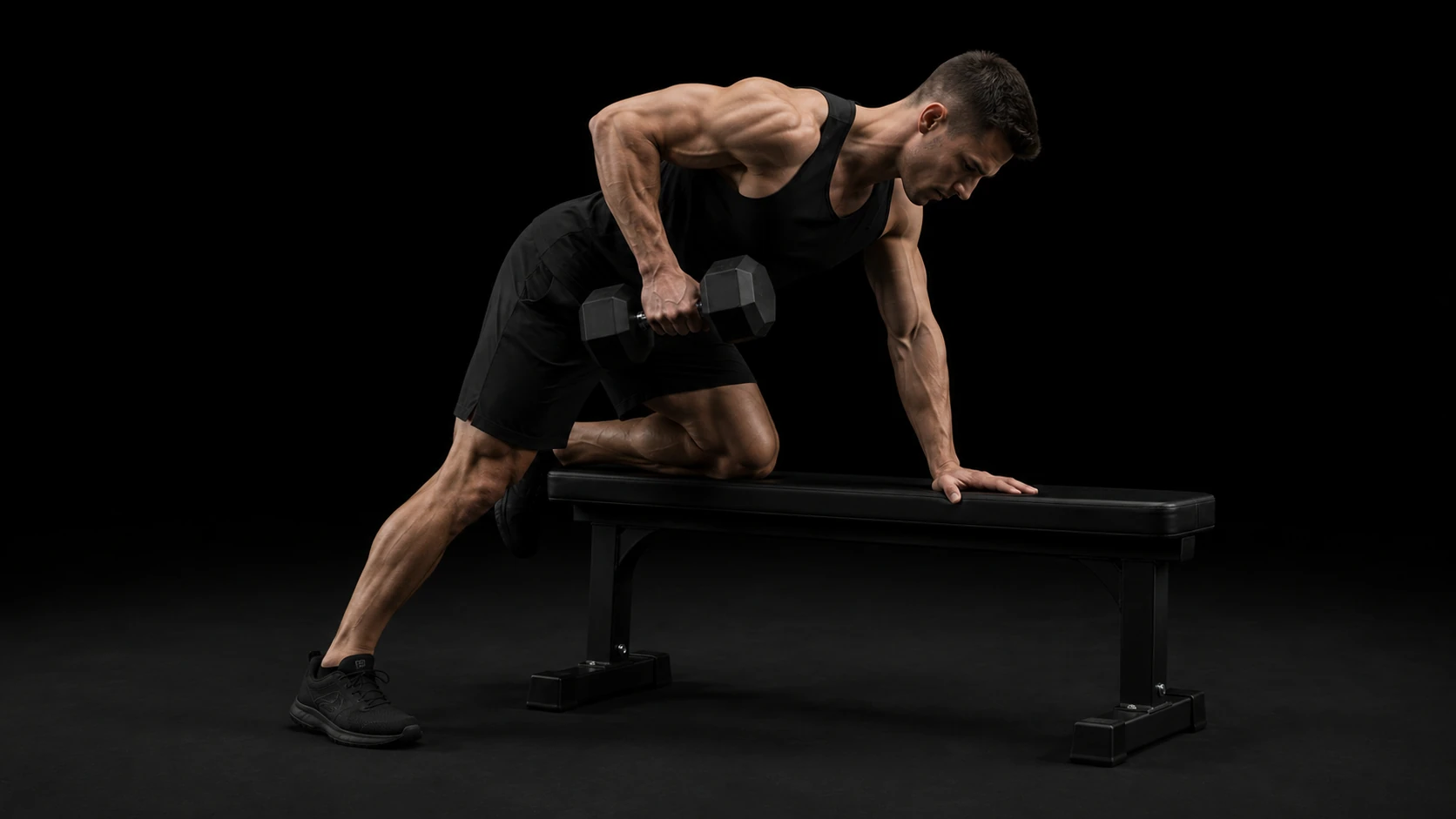
- Single-arm dumbbell row — Independent sides, a bench for support.
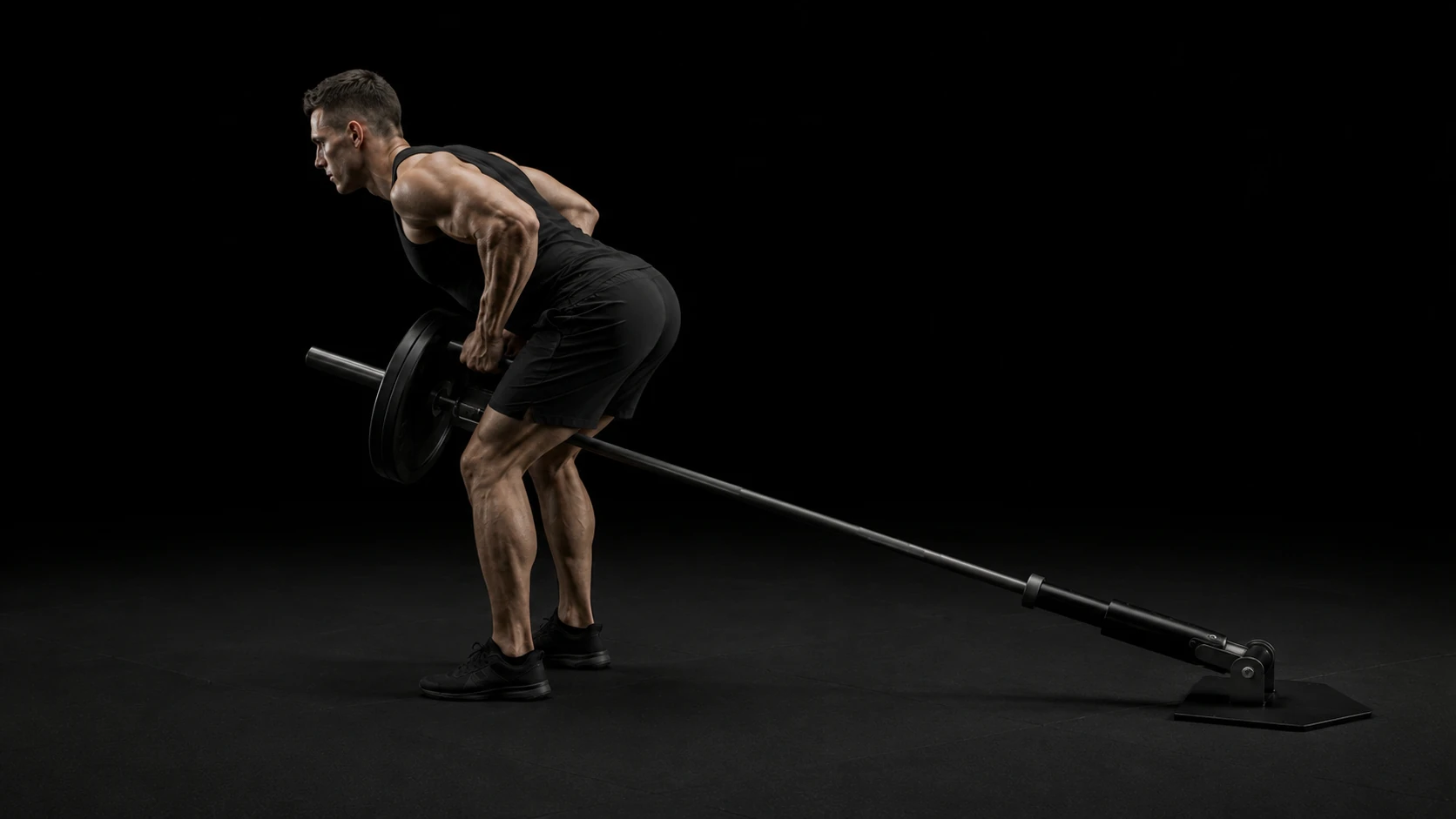
- Chest-supported T-bar row — Horizontal pull with the torso glued down.
PROGRESSIONS
- Light stack, pause on the torso, full reach on the return, no rock.
- Add load when the last reps still hit the same point on the shirt.
- Chest-supported or machine rows if the low back always gives out first.
- Barbell or T-bar rows once you want a heavier horizontal pull.
PROGRAMMING NOTES
This is weekly horizontal-pull volume for most gyms. Three to four sets of 8–12 after a deadlift or as the main row on an upper day. Log the handle in a note if you bounce between V-bar and a wide bar. Rest long enough that you are not heaving — the LIFTAG timer is the difference between a row and a hip-hinge contest.
EQUIPMENT ALTERNATIVES
- Machine seated row — Default when you want the pad against the chest.
- Inverted row — No cable? Use a bar in a rack. Log it as inverted row, not this lift.
- T-bar row — Landmine or chest-supported T-bar when you want more load.
FREQUENTLY ASKED QUESTIONS
A small hinge on the stretch, then a tall pull. If you need a big rock to finish, the pin is too heavy. Chest-supported or machine seated row exist for the days the low back should not help.