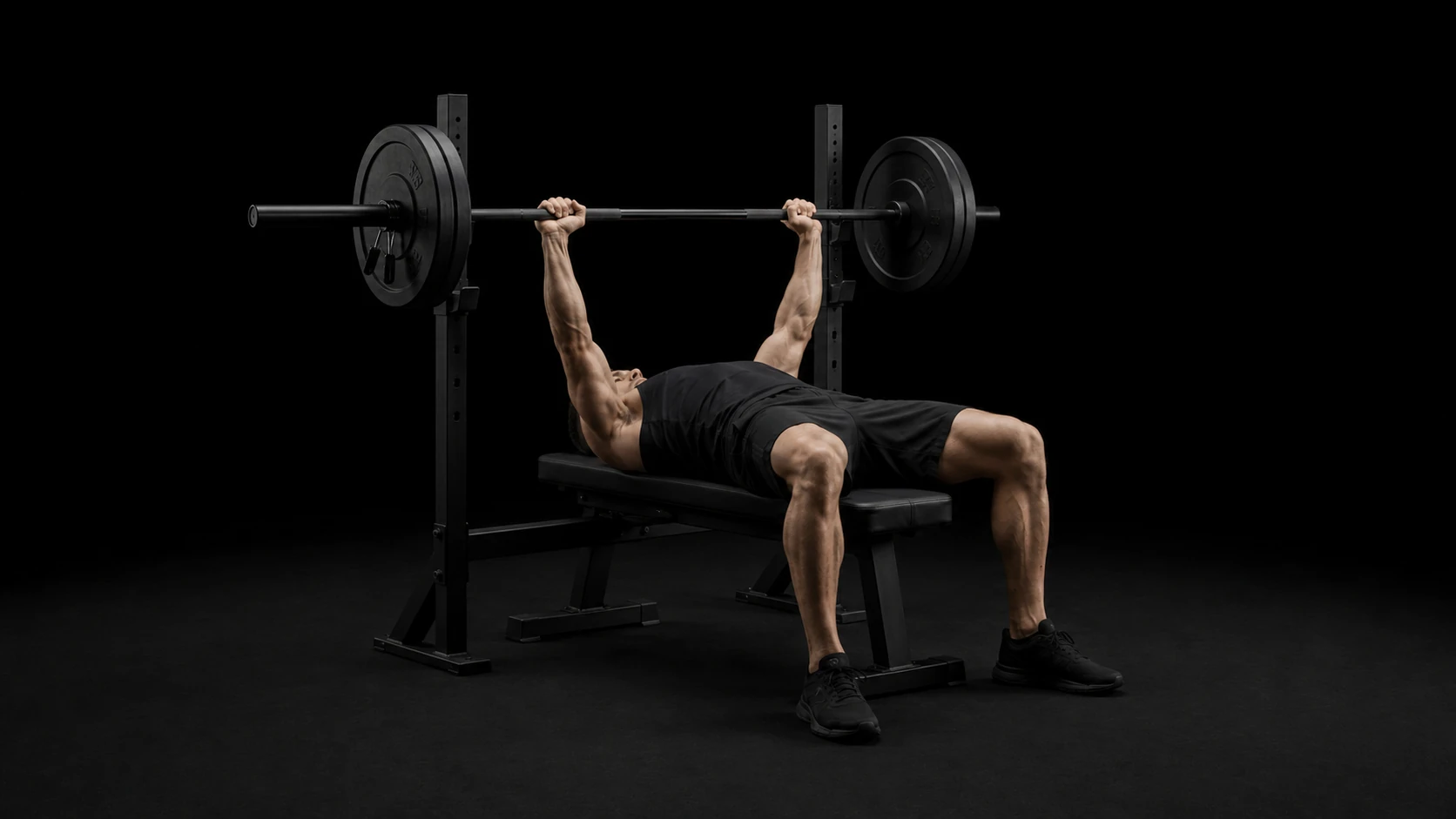
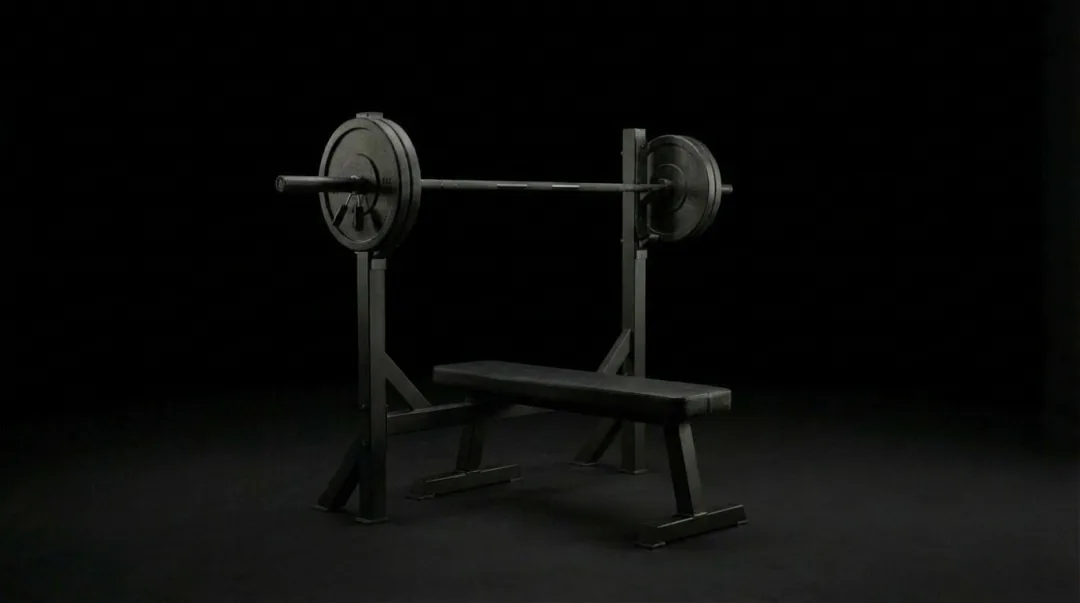
HOW TO DO BARBELL BENCH PRESS
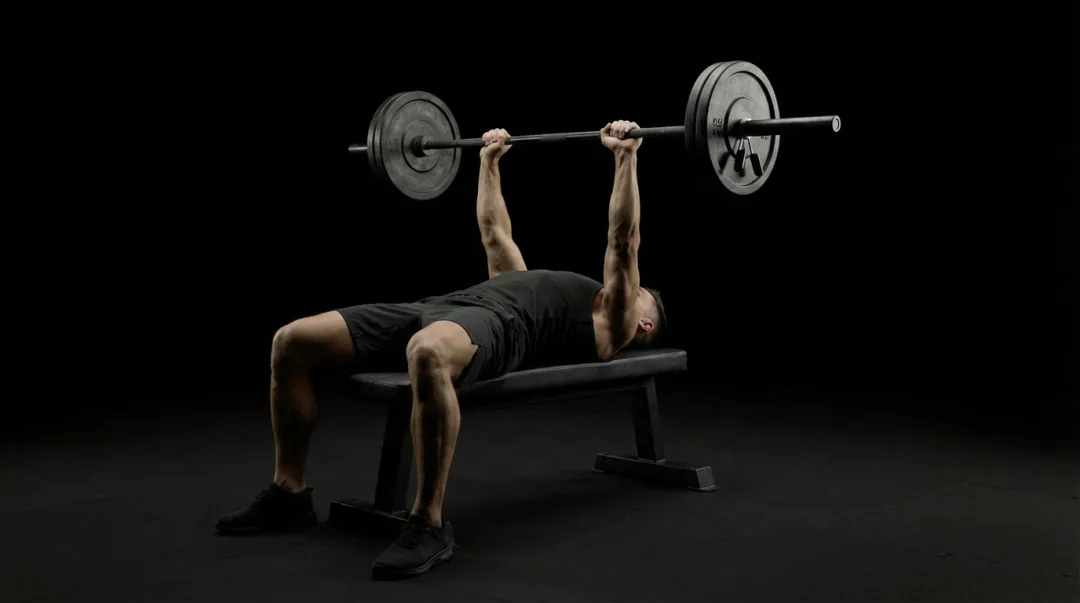
- Lie on a flat bench with eyes under the bar, feet planted, and head, upper back, and glutes supported.
- Take an even closed grip, retract and depress the shoulder blades, and unrack with a spotter when the load is heavy.
- Lower the bar under control toward the mid-to-lower chest with wrists stacked over forearms. Touch without bouncing.
- Press upward and slightly back to a stable lockout. Reset the shoulder blades before the next rep.
- Set rack safeties, use collars, and pick a grip width that keeps the shoulders comfortable.
COMMON MISTAKES
- Bouncing off the chest. A bounce hides the bottom of the press and dumps stress into the shoulders. Pause or at least stay in control on the touch.
- Flaring the elbows to 90°. Tuck slightly so the forearms stay vertical at the bottom. Wide elbows plus a high touch is a common impingement setup.
- Losing the upper-back shelf. If the scapulae drift forward, the bar path lengthens and the shoulders take the load. Reset between reps if you have to.
- Logging the warm-ups as work sets. LIFTAG PRs and estimated 1RM read your logged sets. Keep ramp-up triples out of the work-set row unless the program counts them.
VARIATIONS
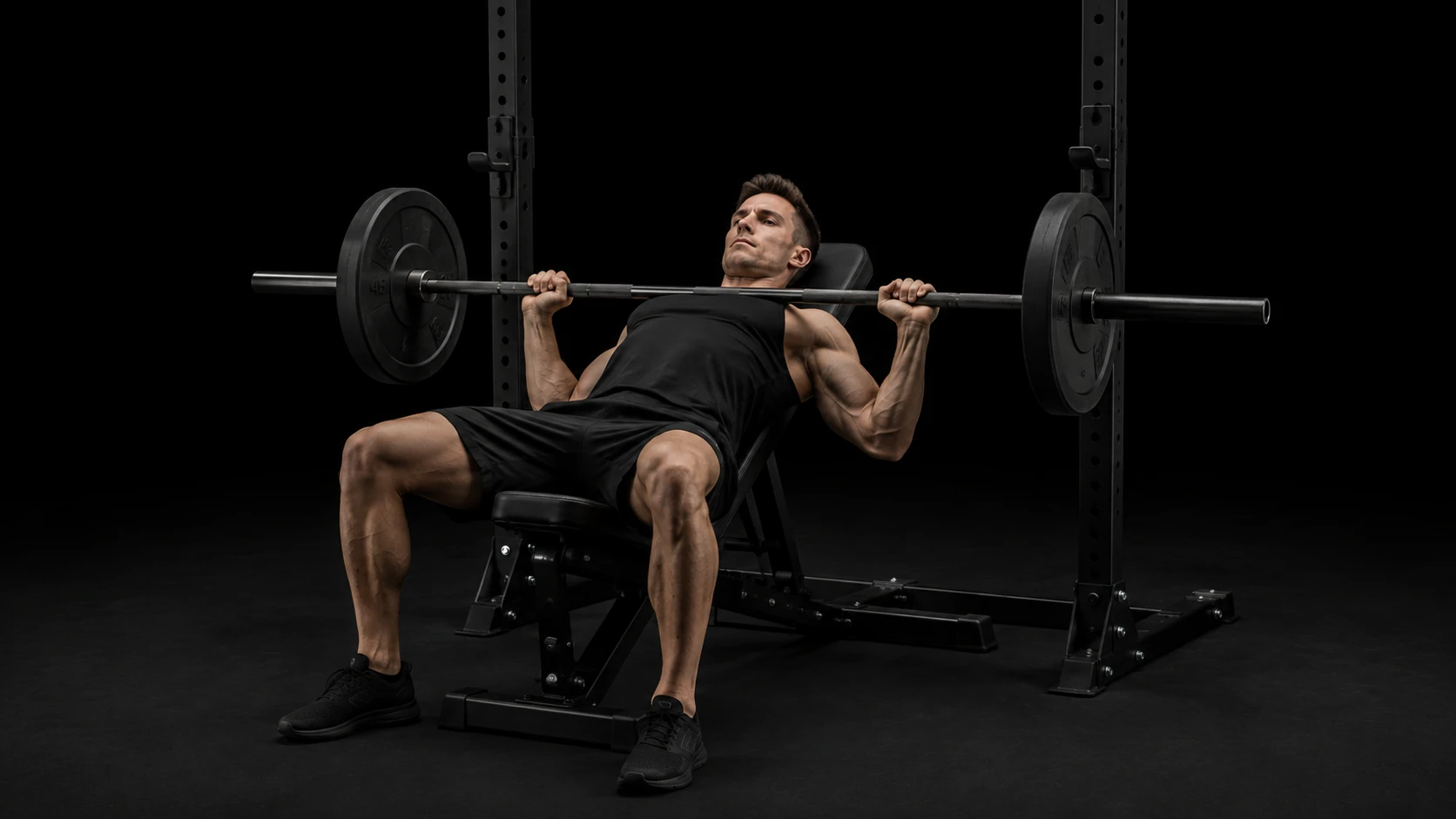
- Barbell incline bench press — Same pattern, more clavicular pec and front delt.
- Close-grip bench press — Narrower grip, more triceps, still a press you can load.
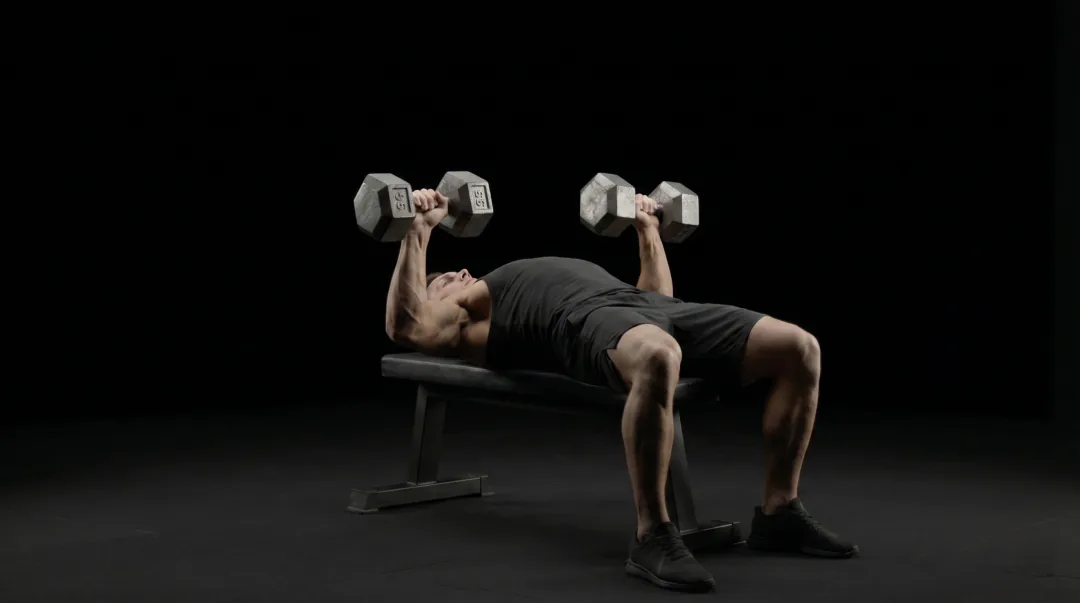
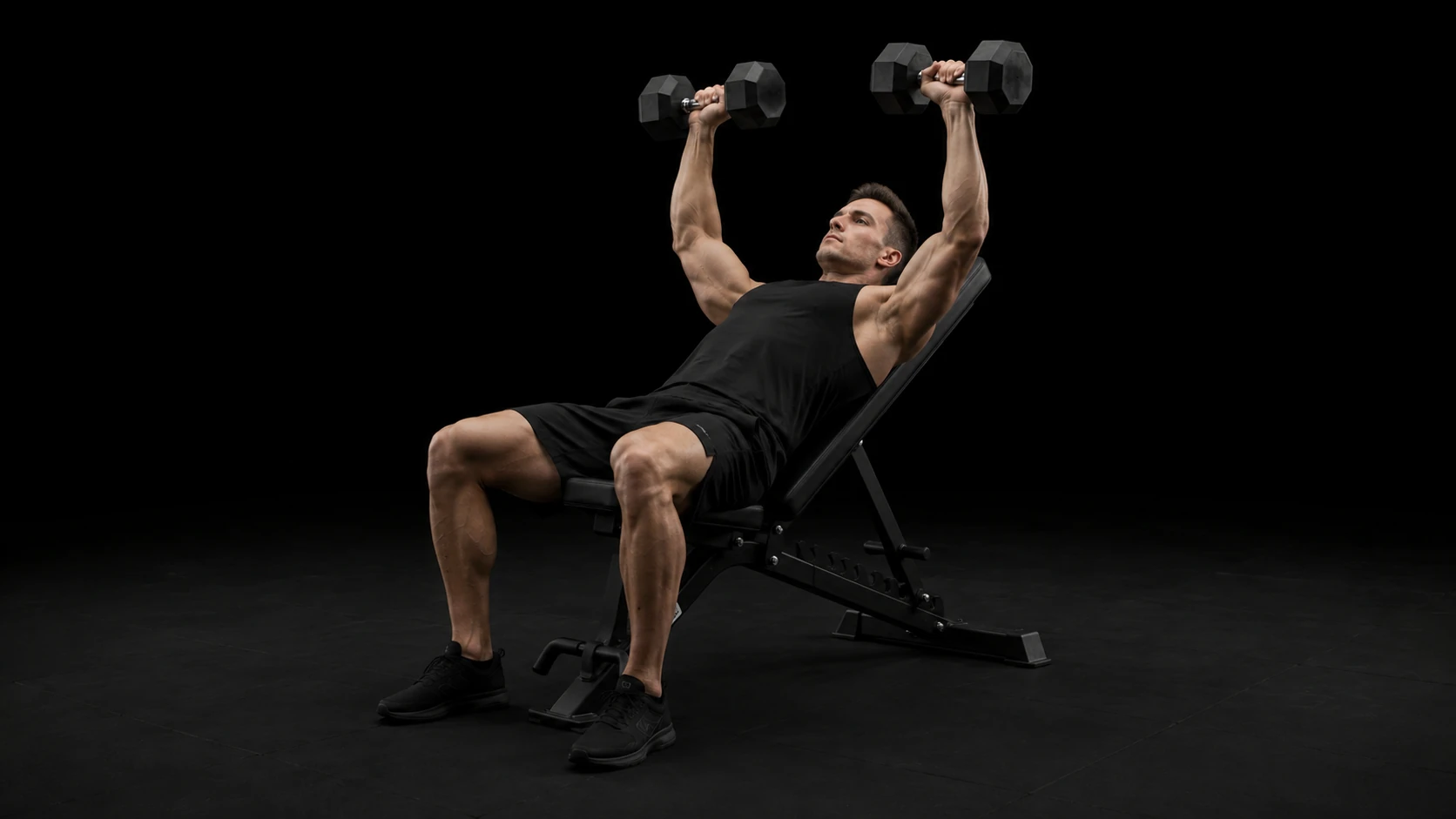
- Flat dumbbell bench press — Independent handles, longer range, easier on some shoulders.
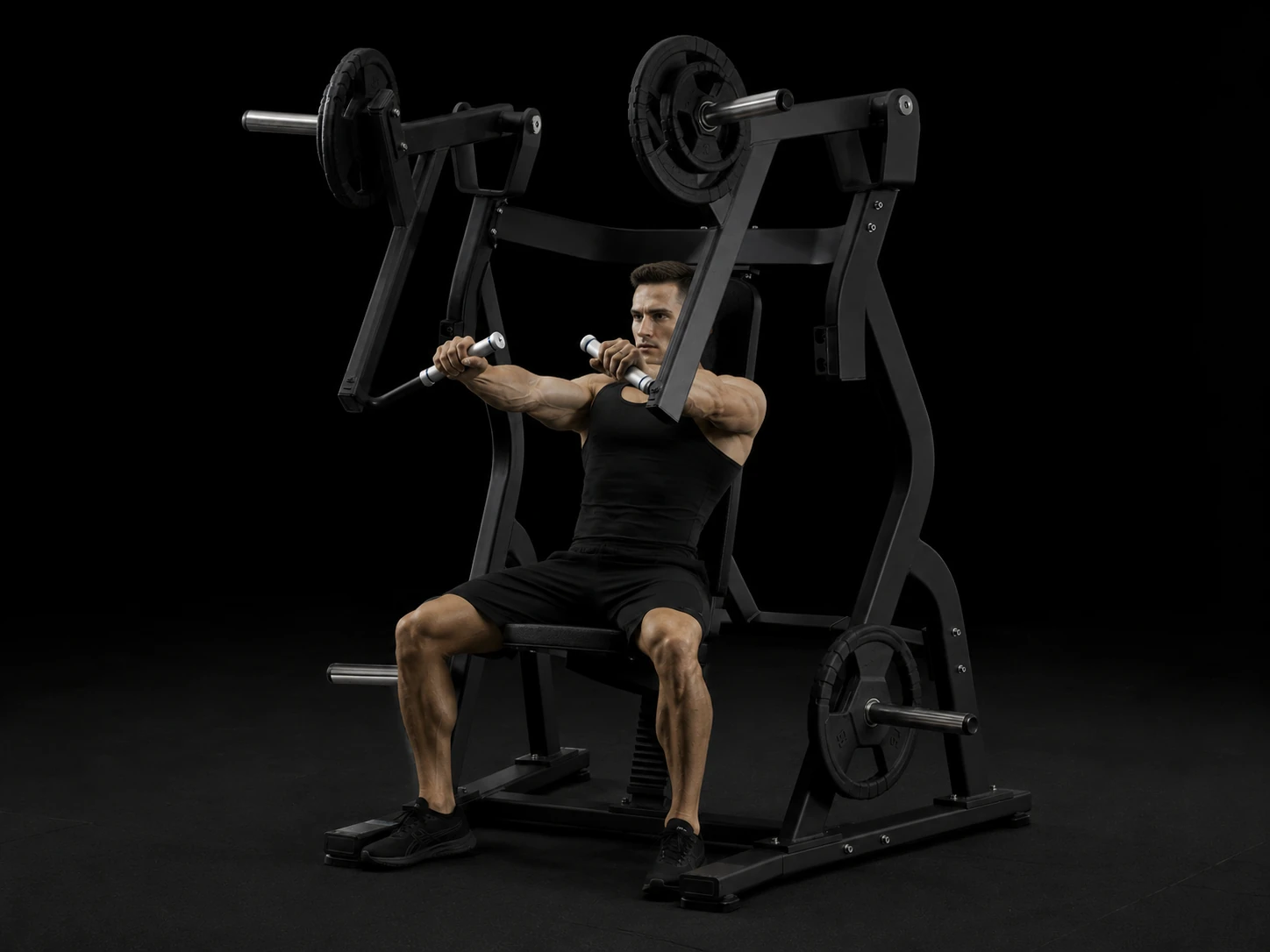
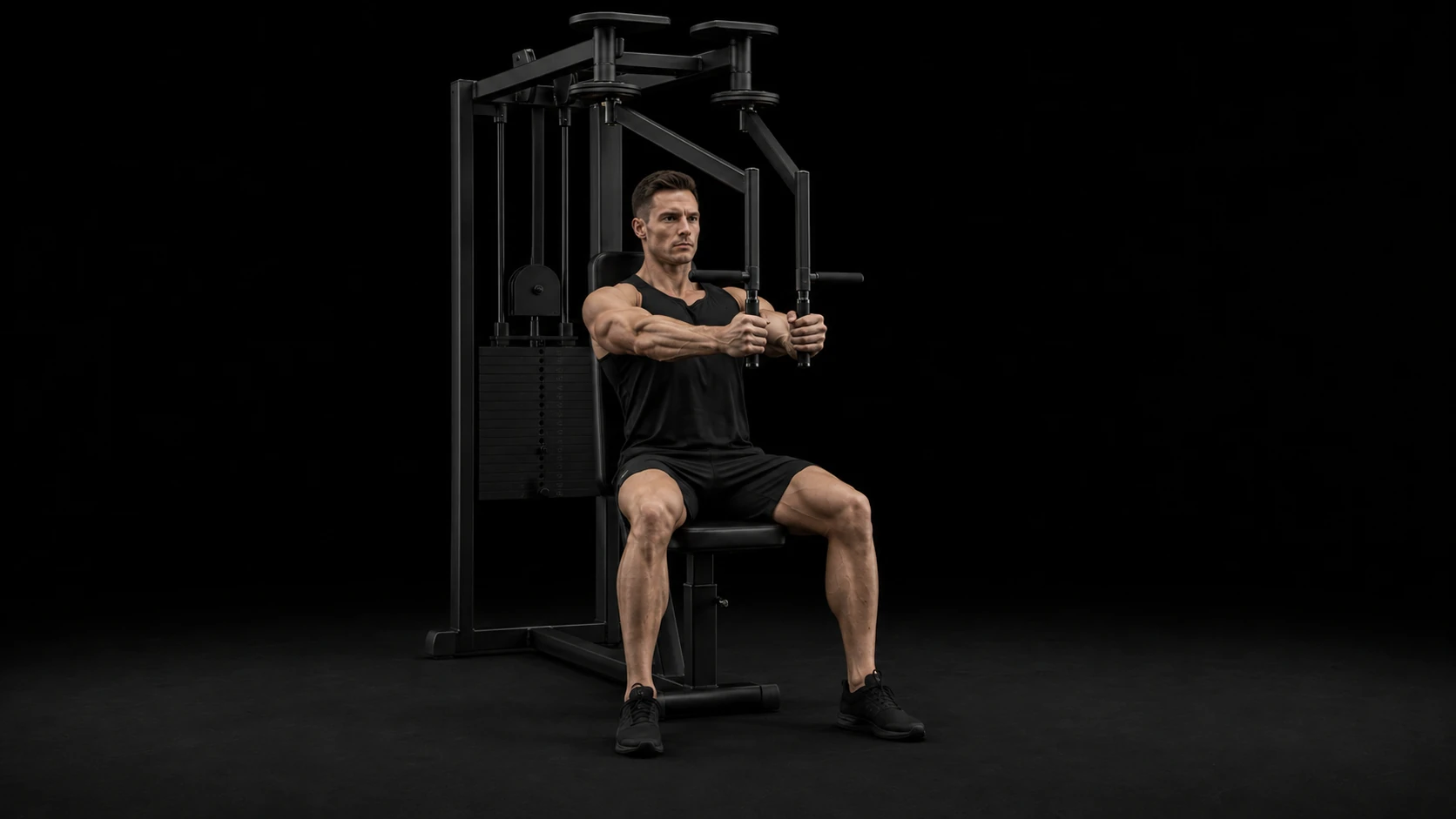
- Machine chest press — Fixed path when you want pressing volume without a spotter.
PROGRESSIONS
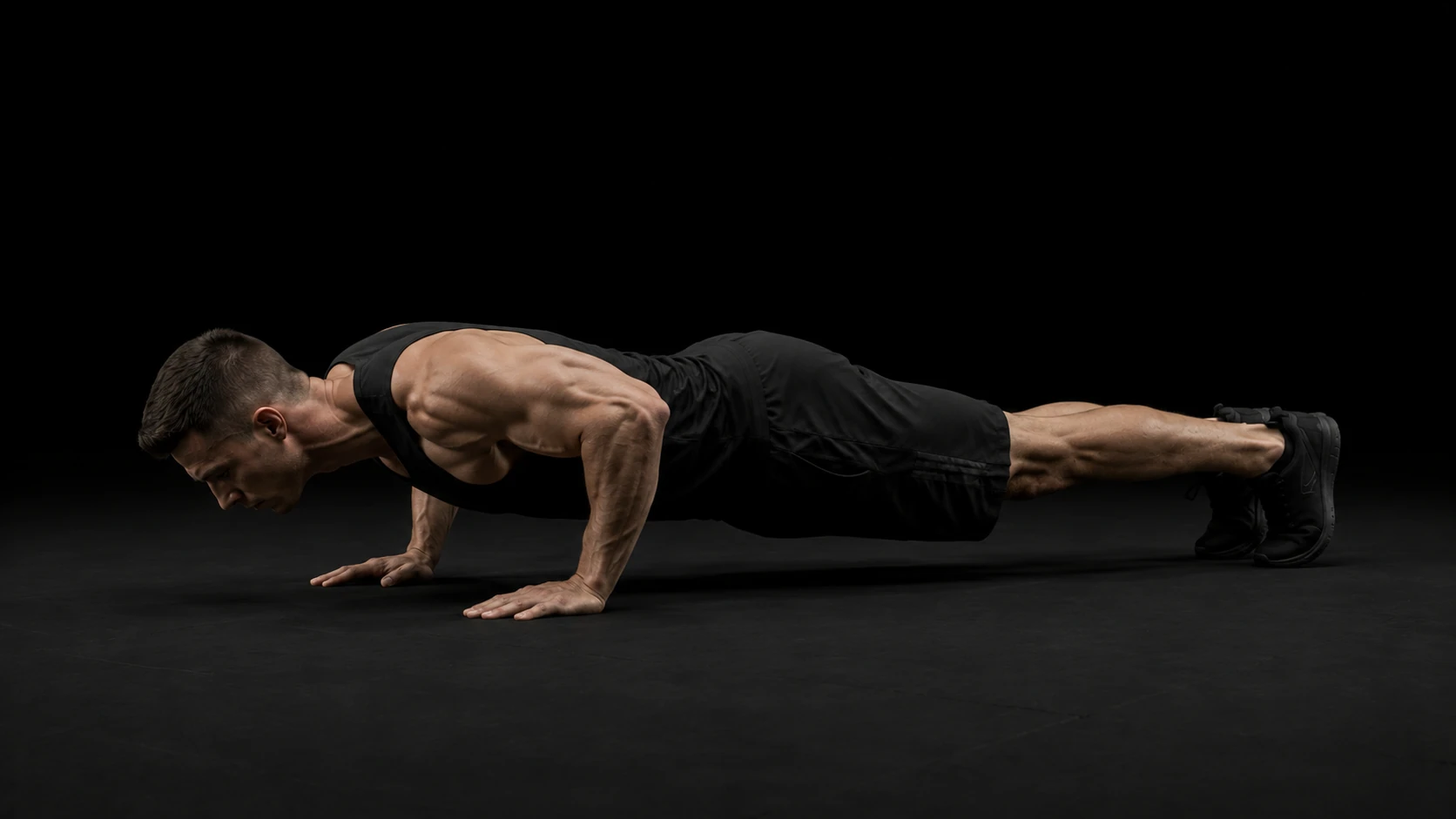
- Push-up or machine chest press until you can control a full range.
- Empty-bar bench with a pause at the chest.
- Working sets at a repeatable RPE 7–8, adding load or a rep when all sets stay clean.
- Paused or close-grip variants when the lockout or the touch-and-go pattern stalls.
PROGRAMMING NOTES
Most lifters do well with 3–5 work sets of 3–8 on a primary bench day. Log every working set in LIFTAG with rest time; the rest timer is the difference between a real heavy triple and a rushed one. Chase a rep PR before you chase a load PR if the bar speed is dying. Estimated 1RM in the app is a trend, not a meet attempt.
EQUIPMENT ALTERNATIVES
- Smith machine flat bench press — Use when the gym has no free bench or you are training alone.
- Machine chest press — Swap here if the barbell bothers the shoulders but you still want pressing volume.
- Push-up — No bench, no problem. Log it as a separate lift so the progression stays honest.
FREQUENTLY ASKED QUESTIONS
It is the most loadable horizontal press for most lifters, not a required chest exercise. If your shoulders hate the barbell, dumbbell or machine presses plus flyes still build a chest. LIFTAG will track whichever press you actually do.