HOW TO DO CHEST-SUPPORTED T-BAR ROW
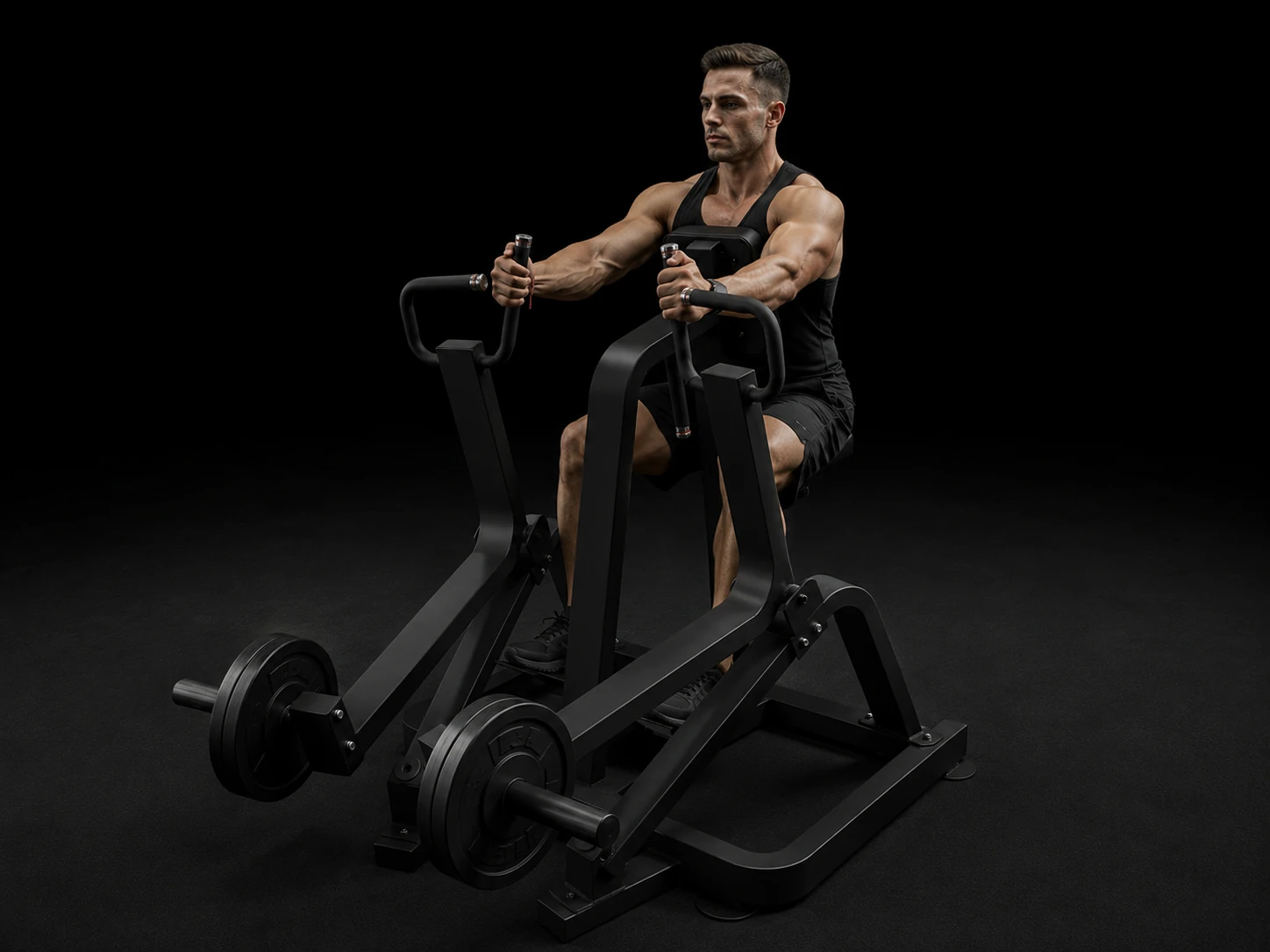
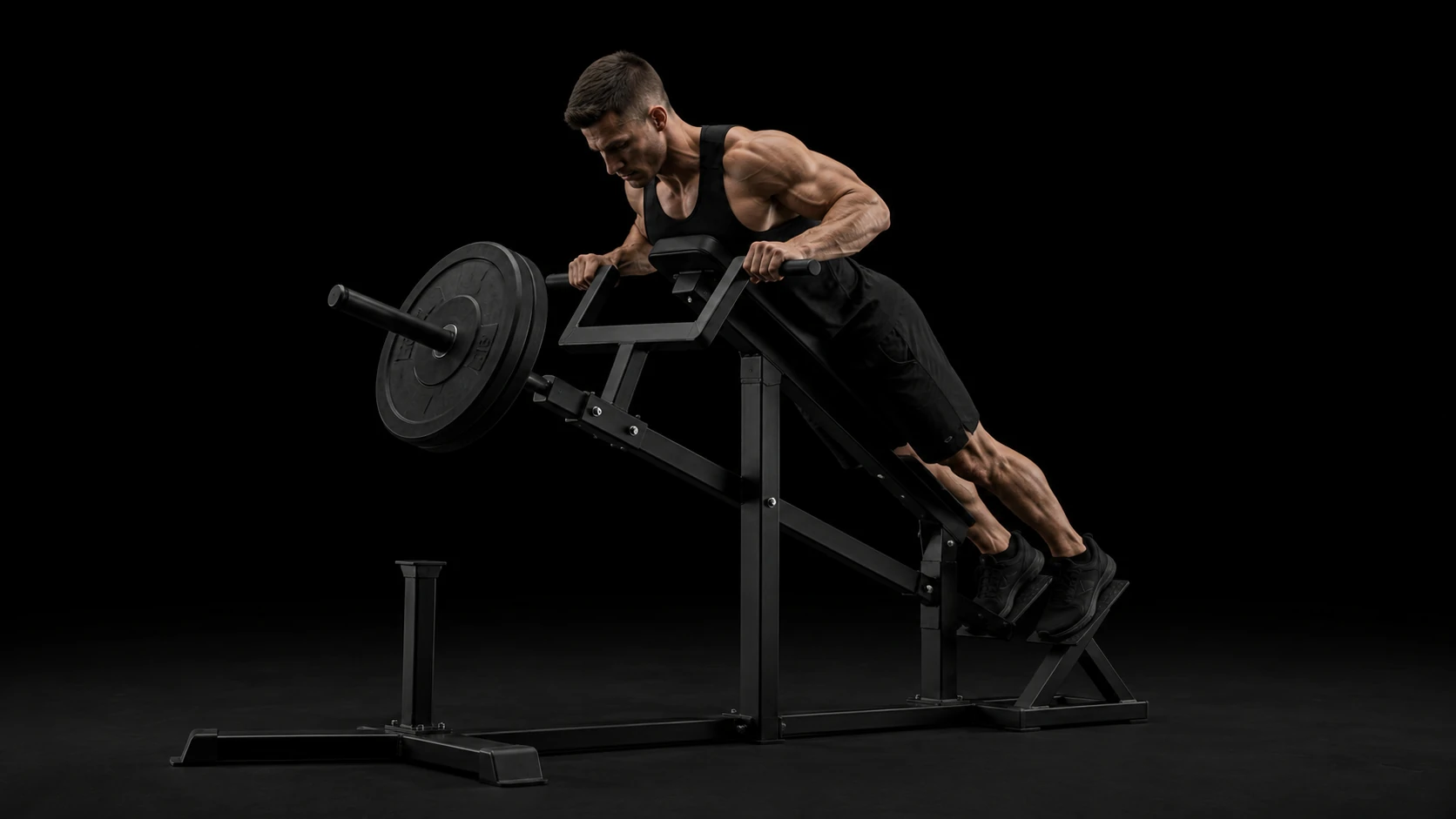
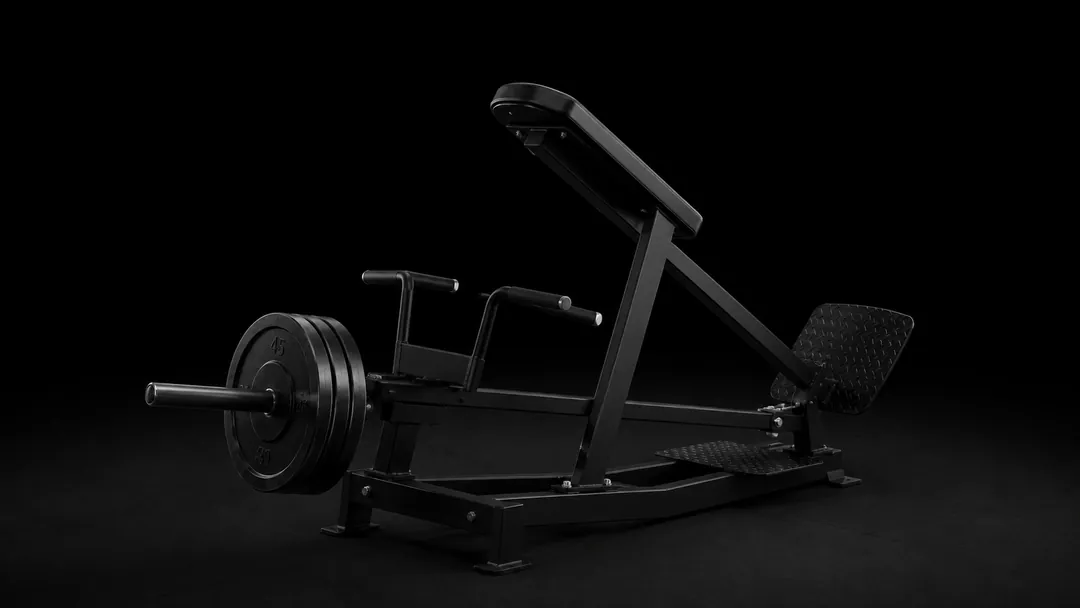
- Set the chest pad so the sternum is on it, not the throat, and the handles are reachable with straight arms. Feet planted on the platform.
- Grip, brace, keep the chest glued to the pad, and pull toward the lower chest or upper abdomen by driving the elbows back.
- Let the shoulder blades retract without shrugging into the neck. Pause a beat at the top if the stack is drifting.
- Lower to a full comfortable reach. The arms go long; the chest does not leave the pad.
COMMON MISTAKES
- Coming off the pad to finish. You just turned it into an unsupported row with worse leverage. Drop the pin.
- Bouncing the stack. If the plates crash and rebound, the bottom of the row never happened. Control the last two inches.
- Pad so high the neck is the contact point. Sternum on the pad. A throat rest makes every rep a fight and a shrug.
- Logging this as a T-bar or machine seated row. Different support, different PR. Keep this slug when the gym has the chest pad station.
VARIATIONS
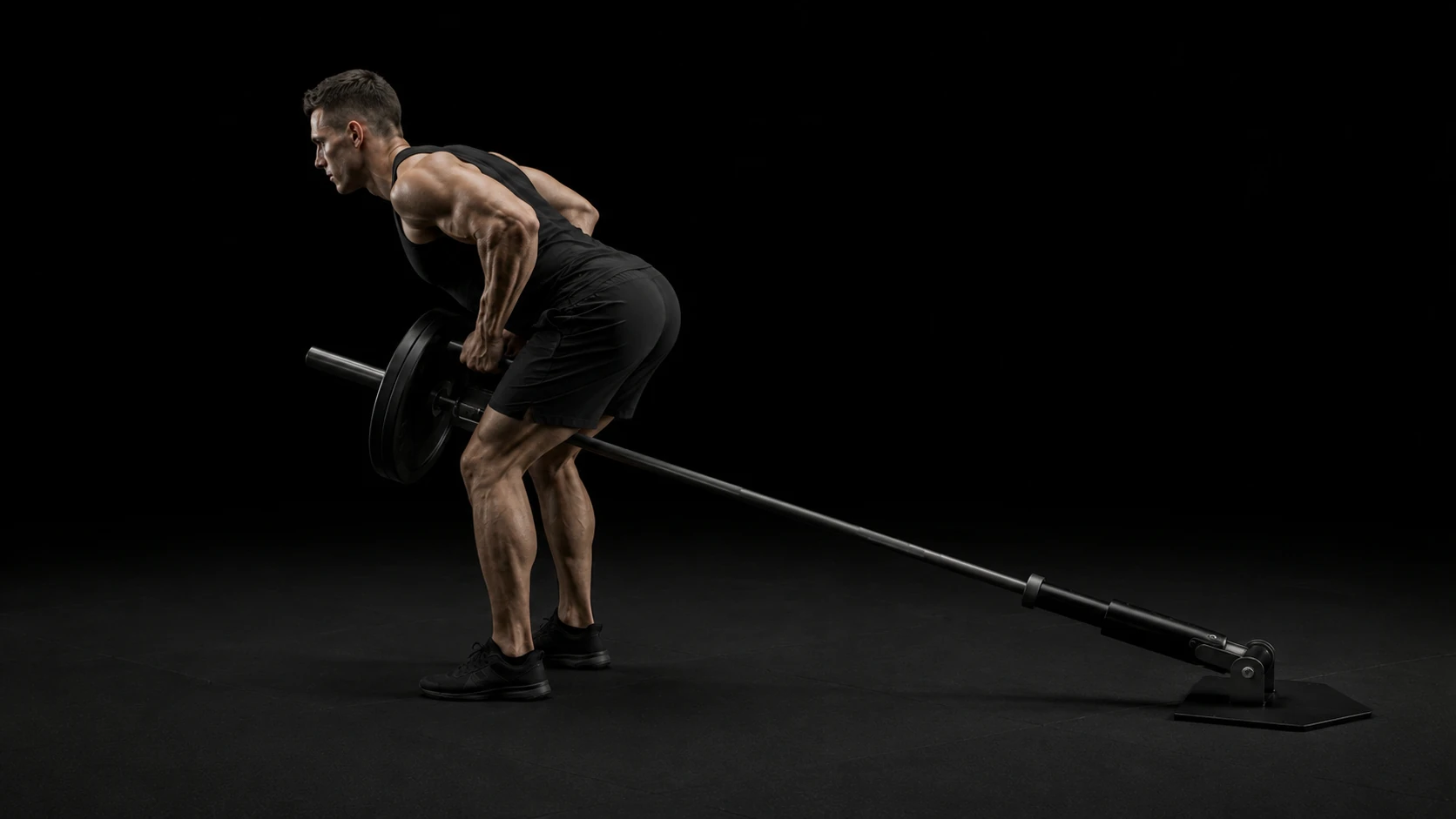
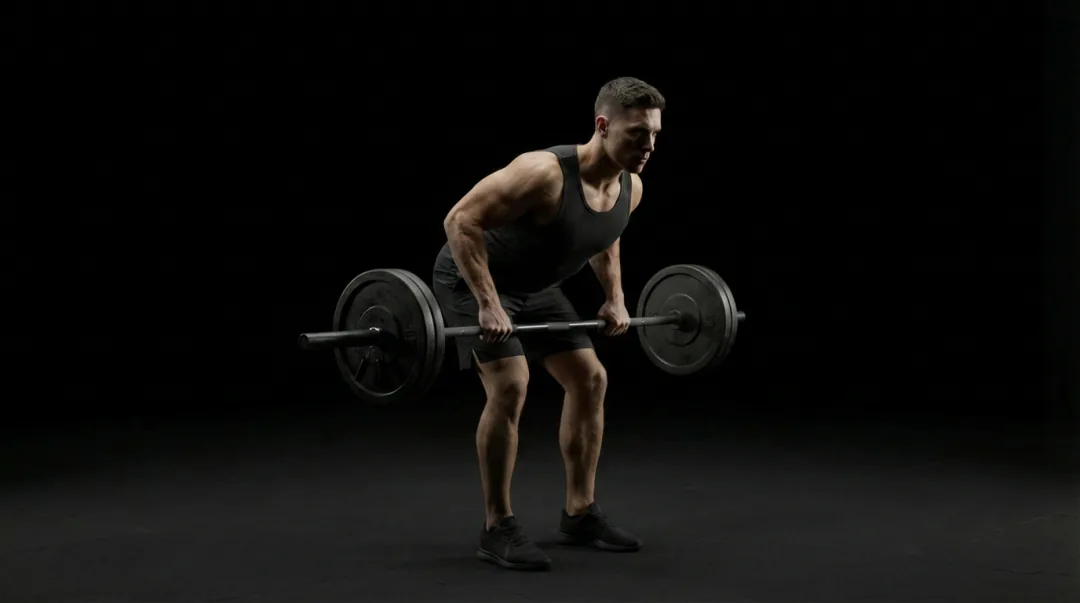
- T-bar row — No pad. Hinge required. Usually less load you can honestly own.
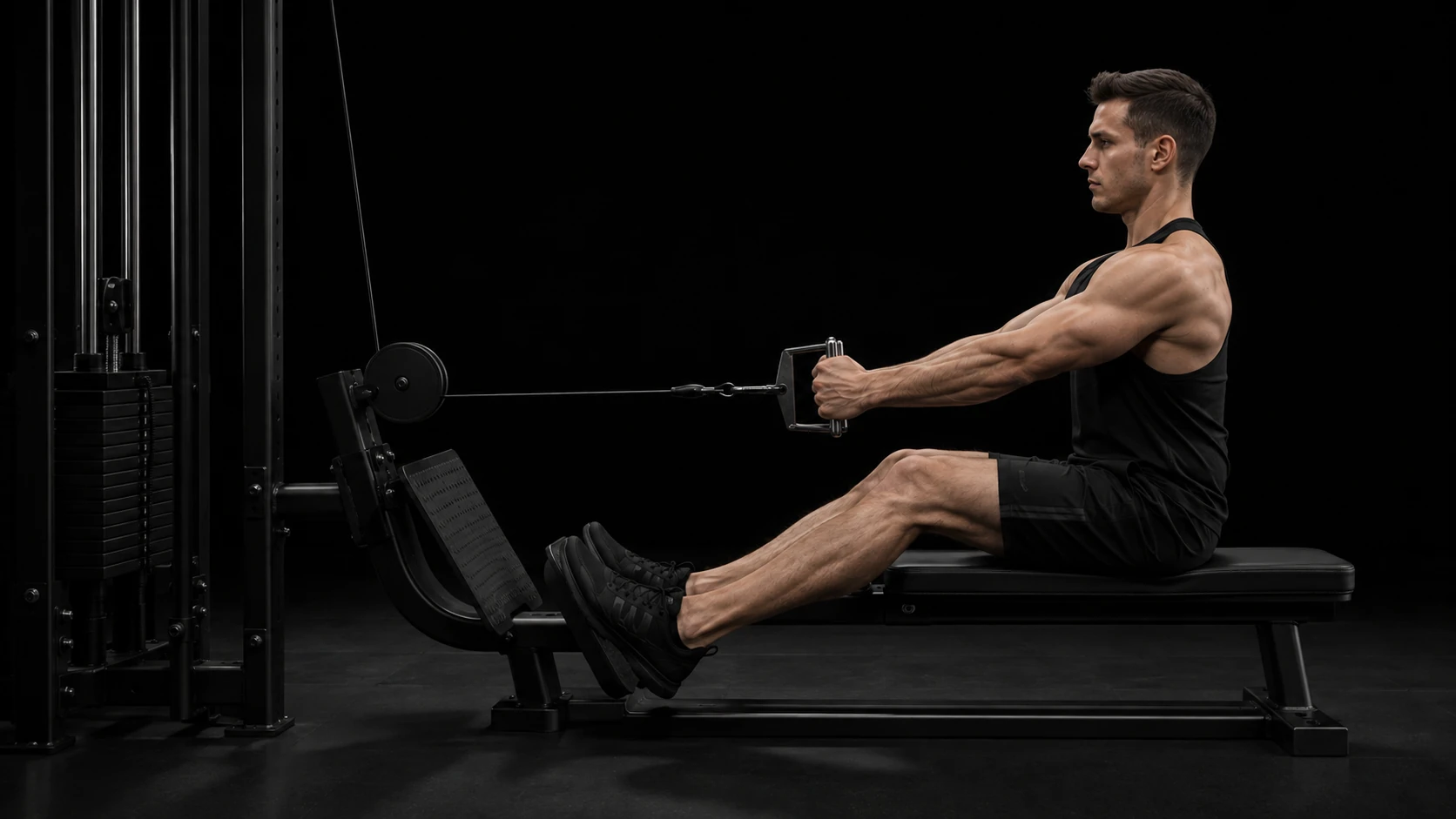
- Machine seated row — Same idea on a selectorized stack, often a different handle.
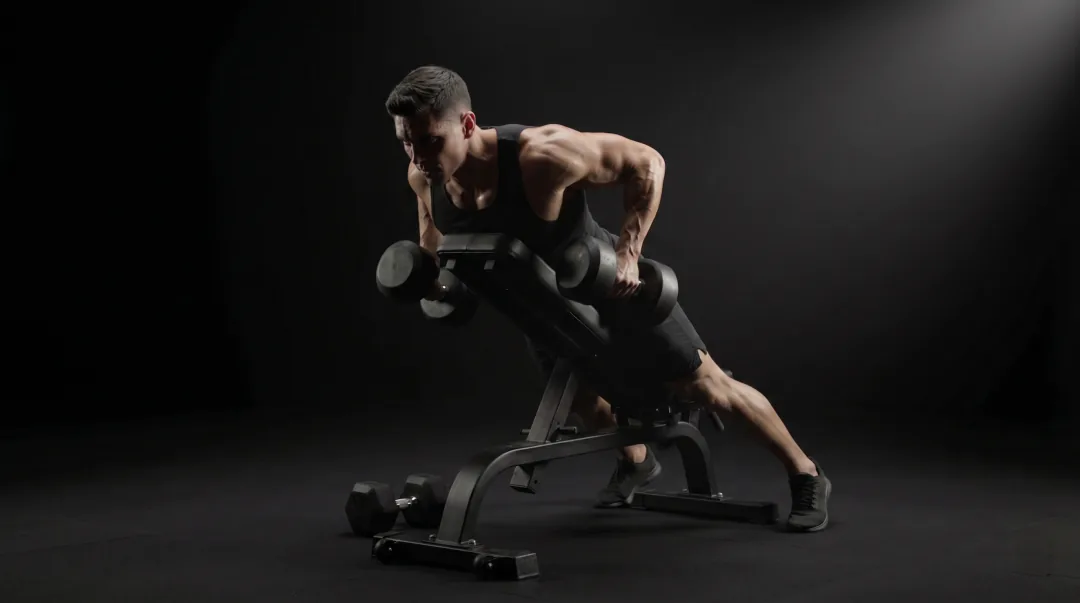
- Incline dumbbell row — Chest-supported with independent arms.
- Wide-grip machine seated row — Wider elbows, more upper back.
PROGRESSIONS
- Machine seated row or incline dumbbell row to learn a quiet torso.
- Chest-supported T-bar with a handle you can keep the wrists happy on.
- Add load when the chest stays down for all work sets.
- Pause reps or a wider handle when the top of the row disappears.
PROGRAMMING NOTES
Use it as the main row on a day the deadlift already taxed the spinal erectors: 3–4 sets of 8–12. It will often out-load your barbell row. That is expected — the pad is doing the hinge. Do not chase that number on t-bar-row.
FREQUENTLY ASKED QUESTIONS
Close/neutral usually hits more lat. Wide/elbows-out hits more rhomboid and rear delt. Pick one as the default and note the other so LIFTAG is not averaging two lifts.