
HOW TO DO PENDLAY ROW
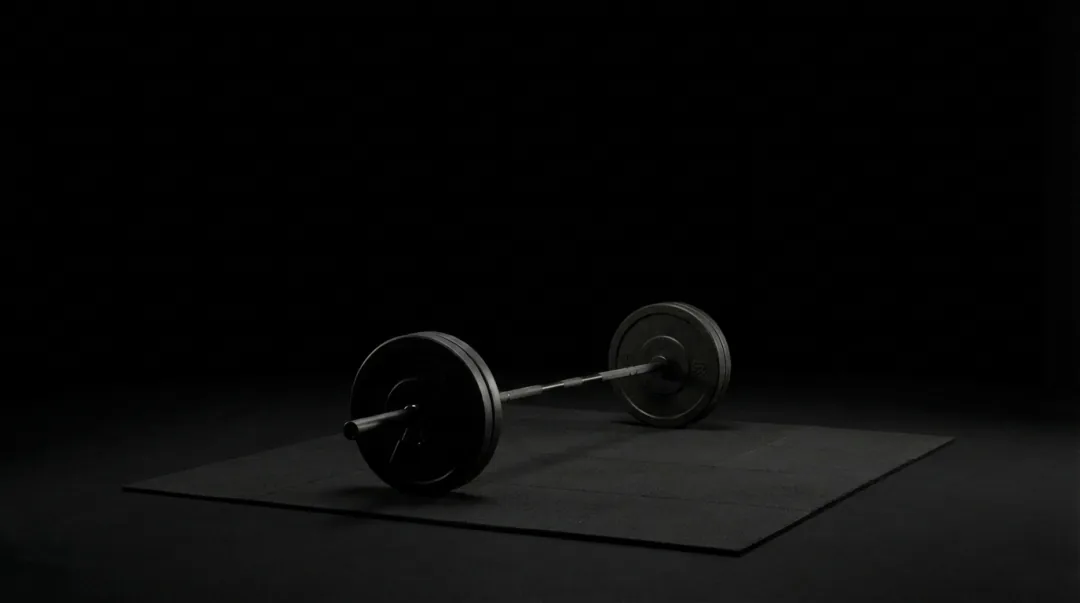
- Use full-size plates or blocks so the bar sits at a height you can reach with a long spine. Hinge until the torso is near horizontal.
- Take an overhand grip, brace, and pull from a dead stop toward the lower chest or upper abdomen. Fast intent, not a bounce.
- Return the bar to the floor under control. Let it settle. Reset the breath and the back before the next rep.
- The torso stays put. If you have to stand up to finish, it is too heavy for a Pendlay.
COMMON MISTAKES
- Bouncing the plates. A rebound is a touch-and-go bent-over row from the floor. Dead stop or it is a different lift.
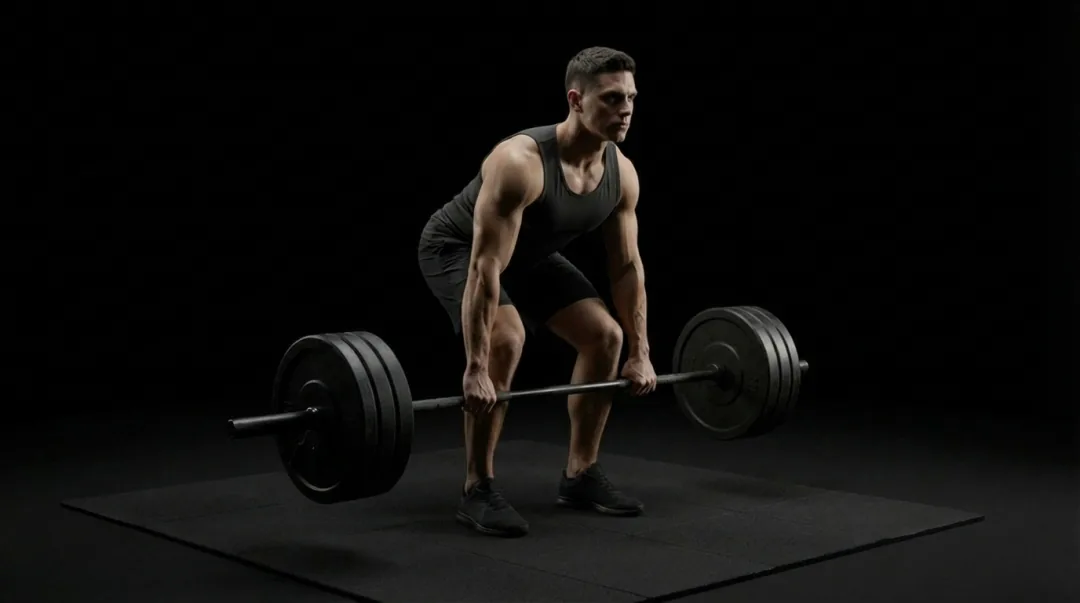
- Raising the chest as the bar leaves the floor. That is a poorly braced deadlift. Stay over the bar; pull it to you.
- Logging Pendlay as barbell bent-over row. Different start, different PR. Keep this slug so week-six numbers still mean something.
- Yanking from a loose shoulder position. Set the lats, then pull. A slack hang plus a hard yank is a lumbar problem, not a back builder.
VARIATIONS
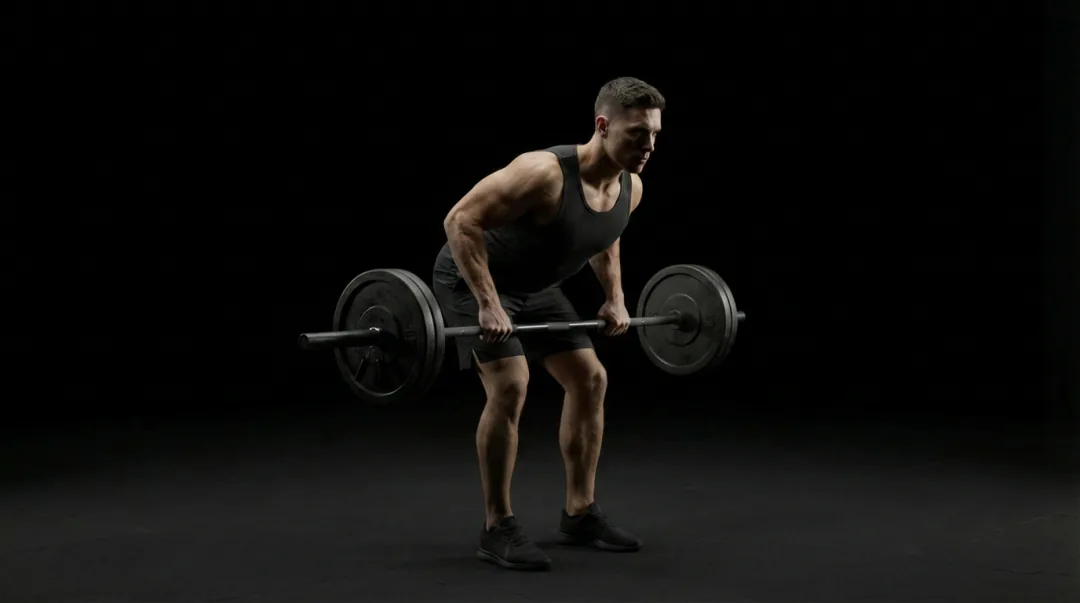
- Barbell bent-over row — Hanging start, more time under tension, torso usually a bit higher.
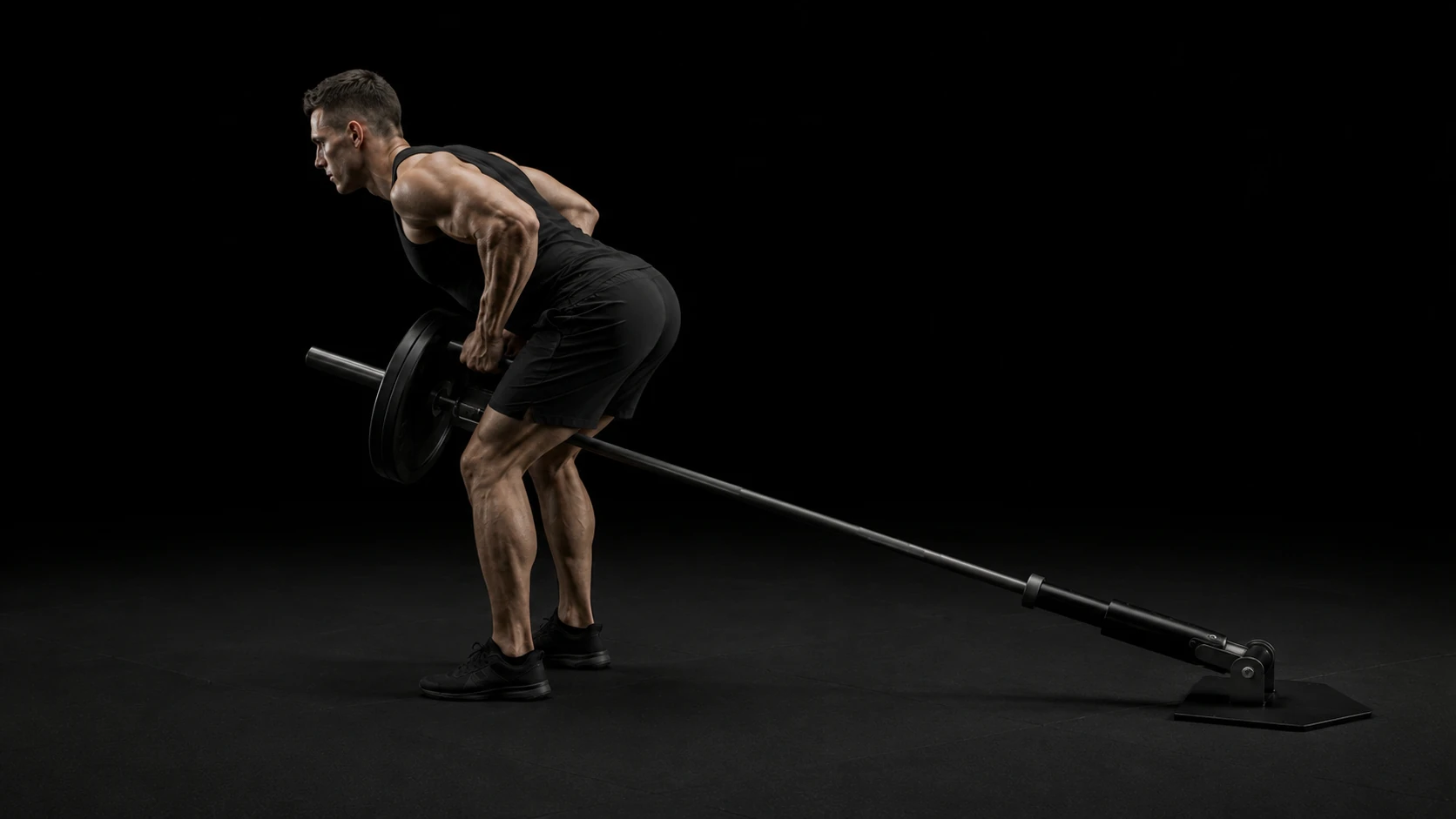
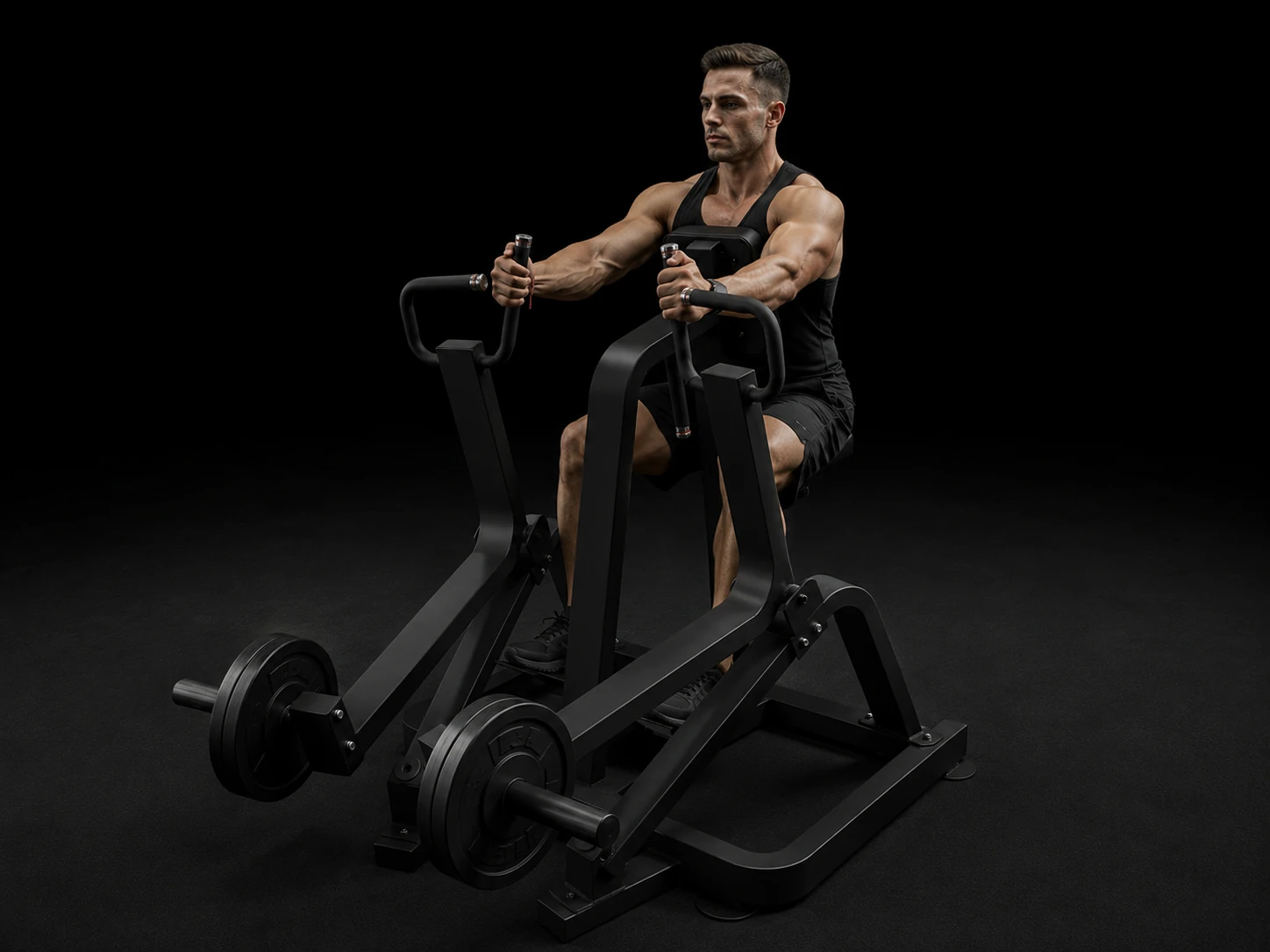
- T-bar row — Arc path, closer grip, still a hinge row.
- Inverted row — Bodyweight version while you learn a horizontal pull.
PROGRESSIONS
- Bent-over rows that you can hold still for a three-second hang.
- Pendlay rows from blocks if the floor start rounds you.
- Working sets of 3–6 from a true dead stop.
- Add load only when every rep starts and ends on the floor without a bounce.
PROGRAMMING NOTES
Treat it like a pull, not a pump set: 3–5 sets of 3–6, longer rest. It pairs well on deadlift day as the second movement. Do not chase bent-over-row numbers here — the reset costs you load on purpose.
FREQUENTLY ASKED QUESTIONS
If it is a Pendlay day, the bar dies on the floor. Touch-and-go belongs on barbell-bent-over-row. Put the style in the set note if you mix them in one week.