HOW TO DO PULL-UP
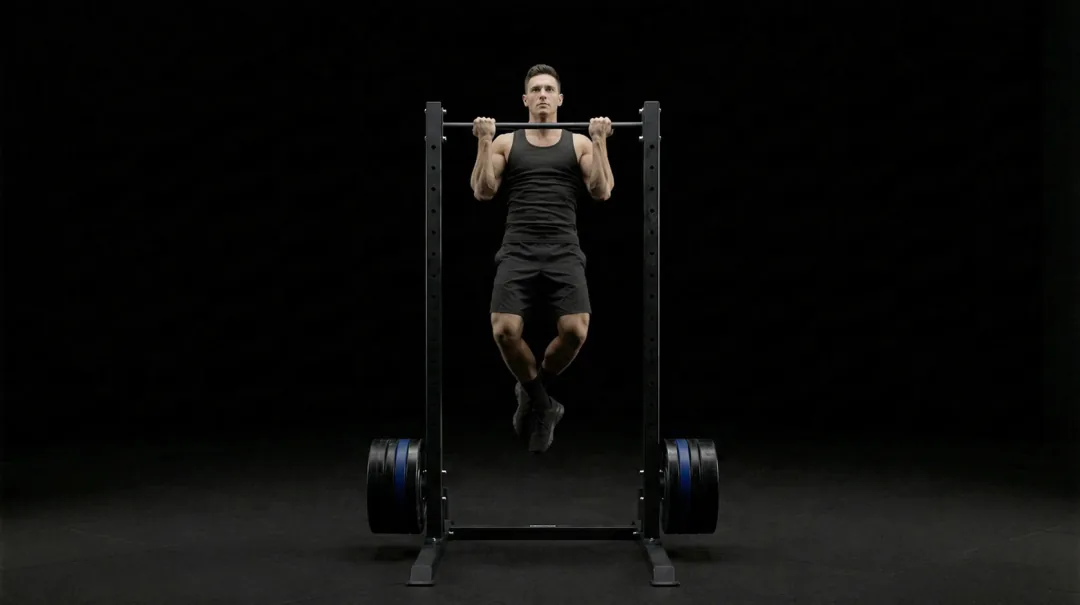
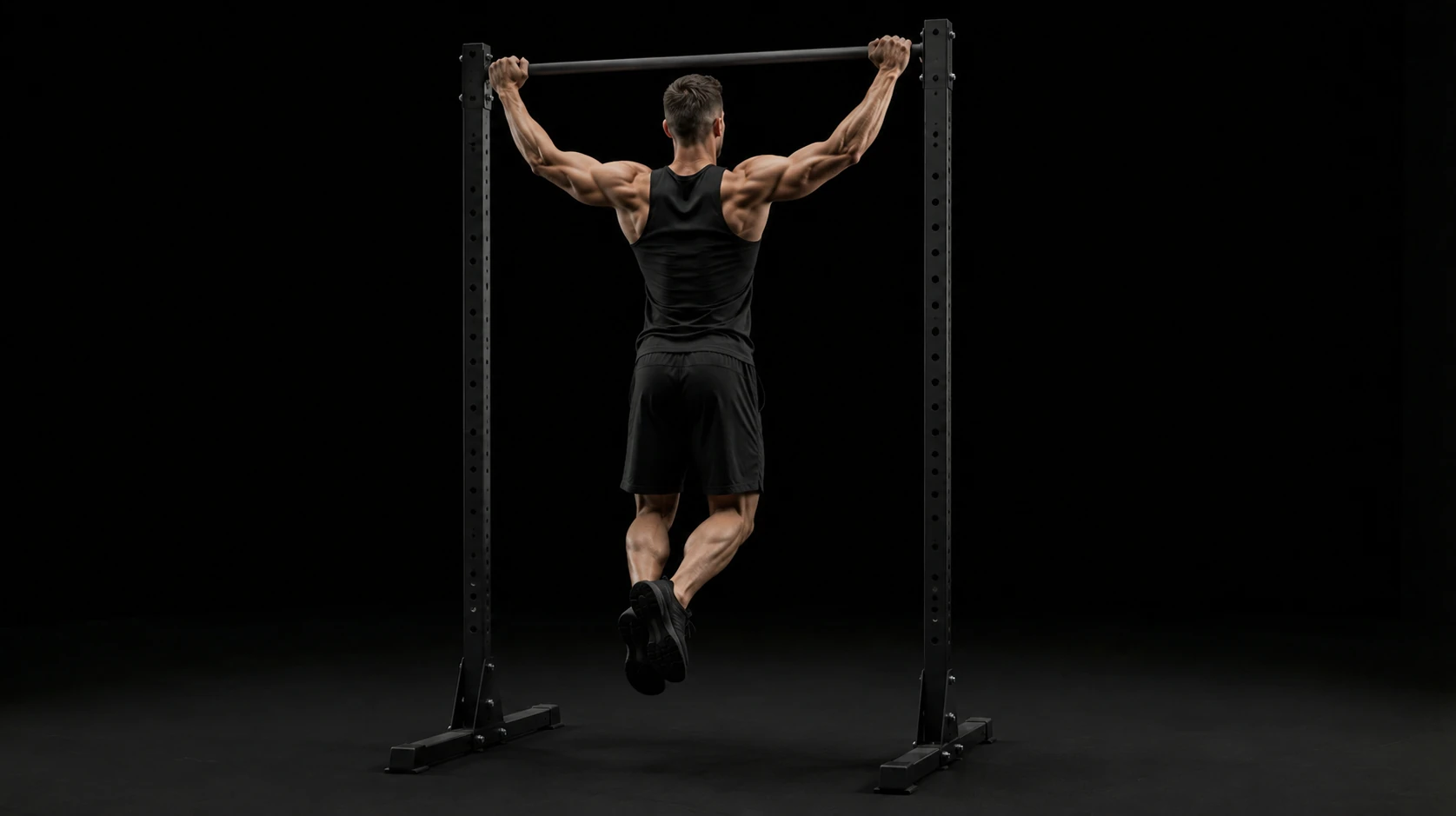
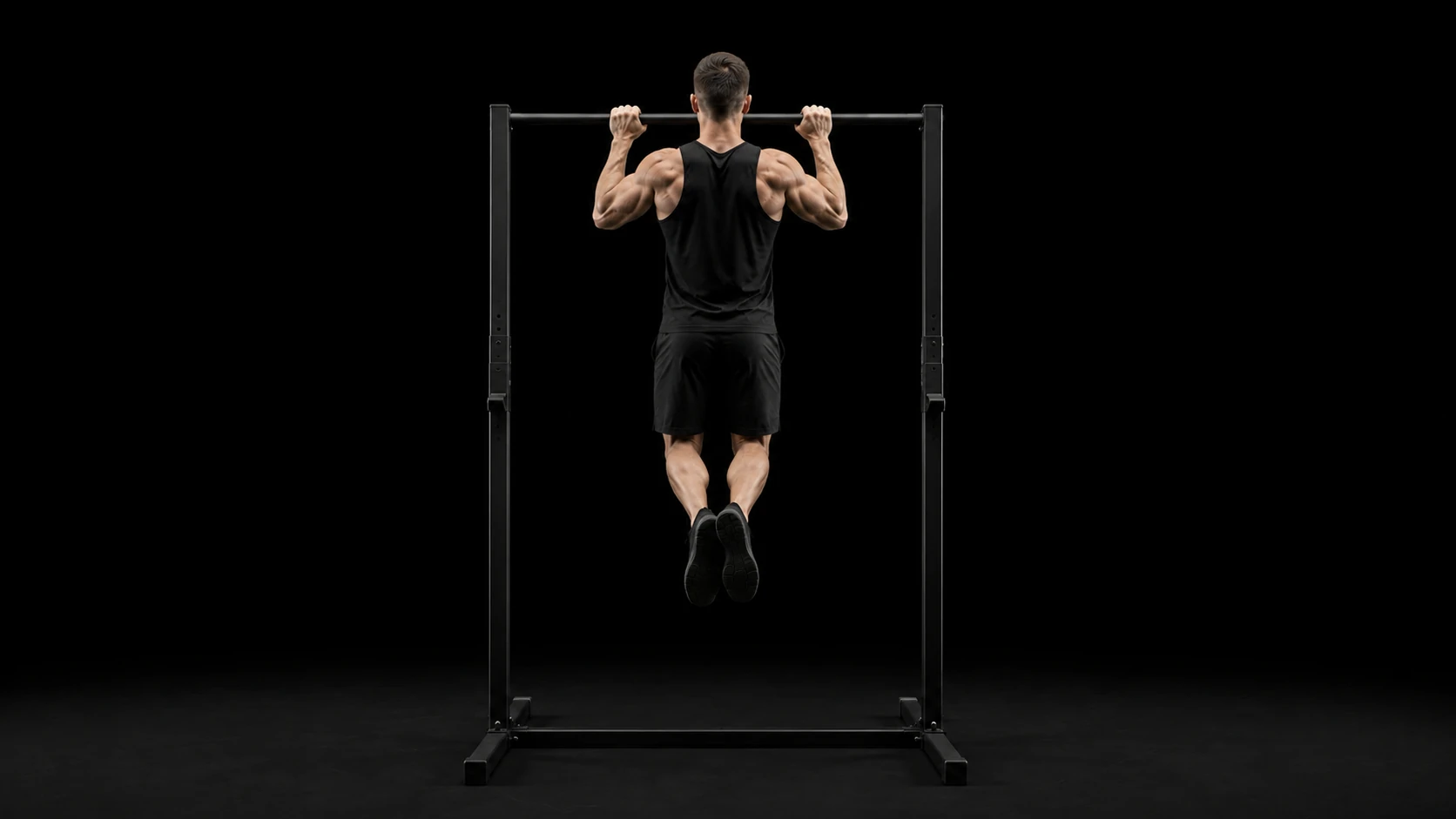
- Hang from a bar with an overhand grip, just outside shoulder width. Start from a still hang.
- Pull the chest toward the bar. Elbows drive down, not back into a shrug.
- Chin clearly over the bar, then lower to a full hang. That last inch at the bottom is the next rep’s start.
COMMON MISTAKES
- Kipping on a strict-pull-up log. Kipping is a different skill. If the program is strict, log strict. Note kips or use a different row.
- Chin barely clearing with a chicken neck. Chest to bar is the standard if you want the PR to mean something later.
- Not logging negatives or assisted reps. Assisted pull-up is its own slug. Negatives can live here with a note, or on assisted if the machine did the work.
VARIATIONS
- Chin-up — Underhand, usually more biceps.
- Wide-grip pull-up — Harder, less range for many lifters.
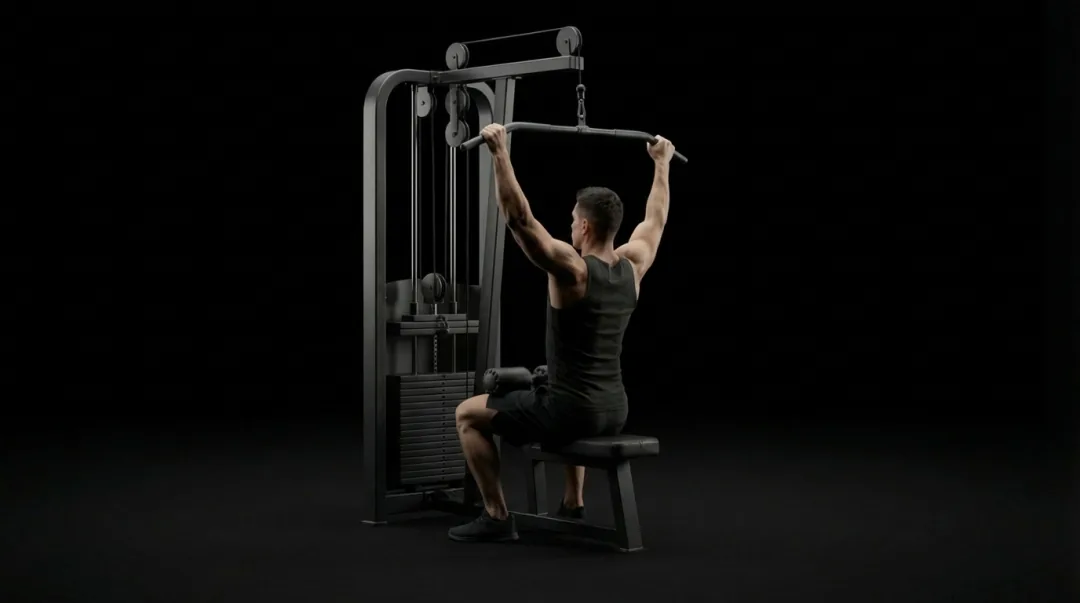
- Lat pulldown — The machine version you can load in small jumps.
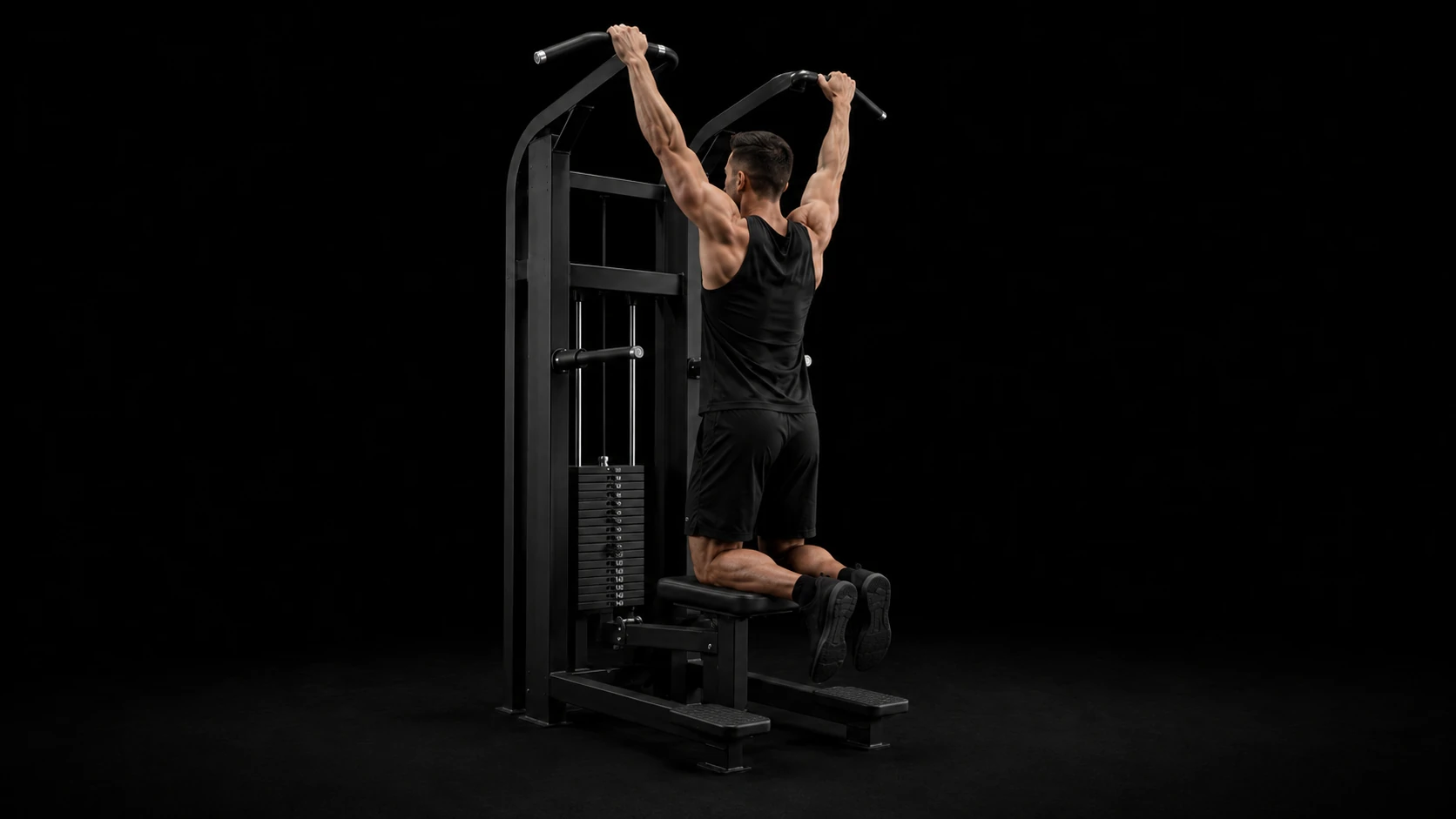
- Assisted pull-up — Use until strict sets of 5 are clean.
PROGRESSIONS
- Dead hangs and scapular pull-ups.
- Assisted or banded pull-ups.
- Strict sets of 5–8.
- Add a belt. Log the extra weight.
PROGRAMMING NOTES
Vertical pull of record: 3–5 sets, as many clean reps as you own, then assisted or pulldown back-off. Weighted pull-ups belong on this slug with the plate logged, not as a mystery PR.
FREQUENTLY ASKED QUESTIONS
Open Pull-up in LIFTAG, or tap the NFC tag / scan the QR code on the machine at a partner gym. Log each working set as weight × reps. The rest timer starts after you save the set, and PRs plus estimated 1RM update automatically.