HOW TO DO BARBELL BACK SQUAT
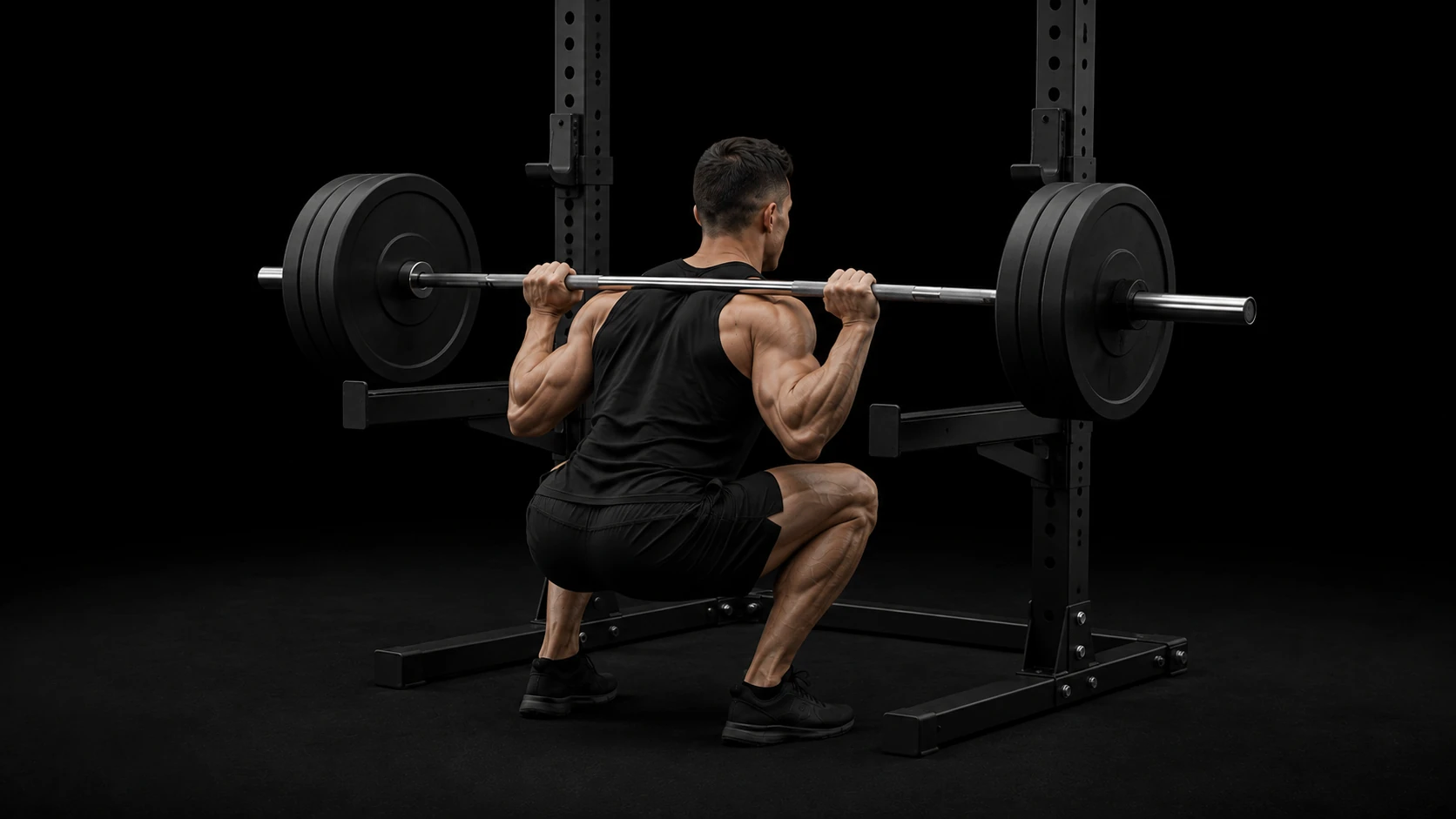
- Set the bar on the upper traps (high-bar) or rear delts (low-bar). Walk out with three steps and brace before you descend.
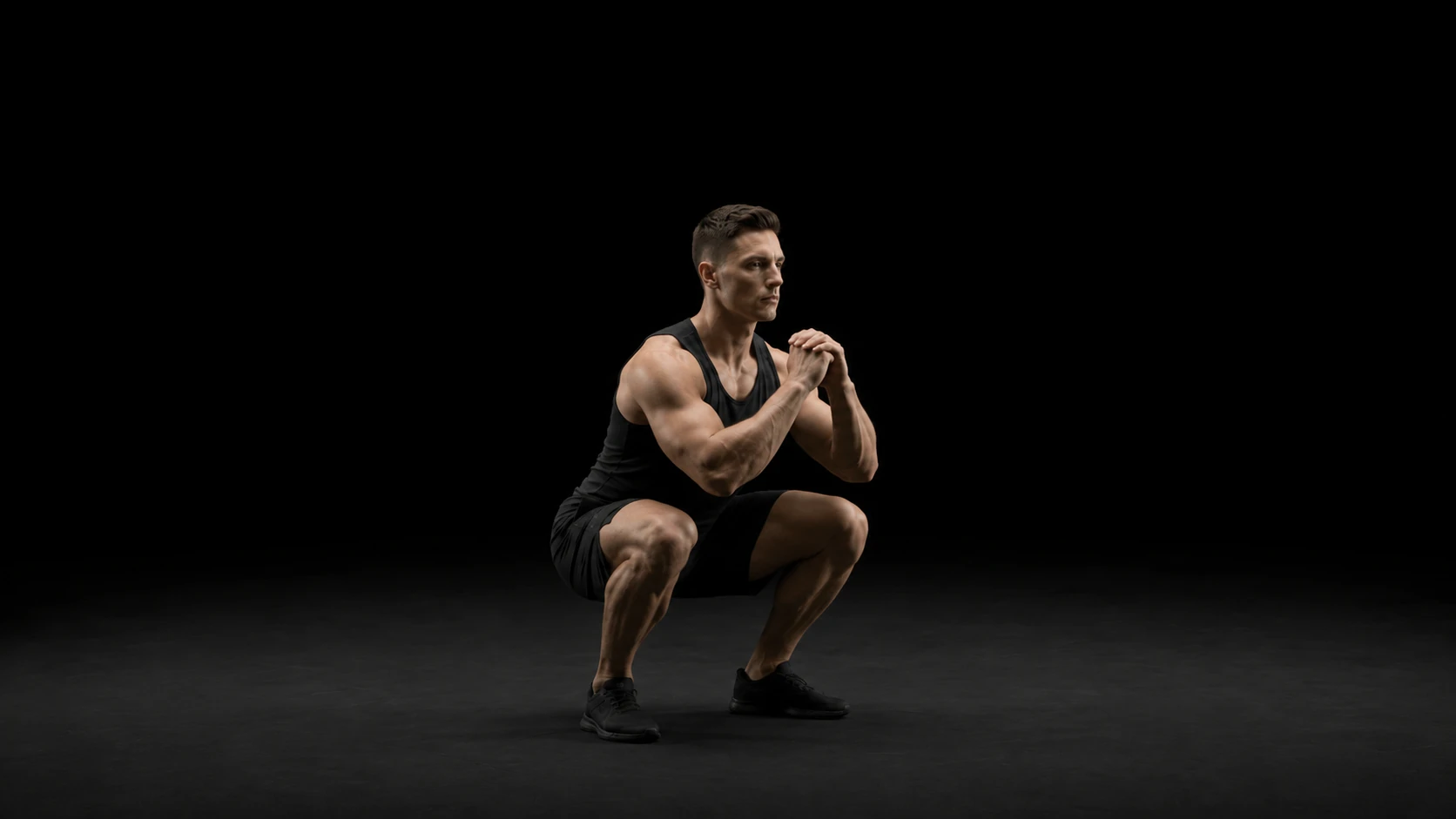
- Break at the hips and knees together. Keep the mid-foot under the bar and the chest from collapsing forward.
- Sit to a depth you can repeat — hip crease below the knee for most lifters — then drive up without the knees caving in.
- Stand tall, re-brace, and reset the breath before the next rep. Rack with control, not a stumble.
COMMON MISTAKES
- Cutting depth as the load climbs. If week-four squats are two inches higher than week one, the PR is fake. Film a side set or pick a consistent target.
- Bouncing out of the hole with a loose brace. Elastic rebound is fine. A collapsed torso is not. Air and abs first, then the bounce.
- Walking out forever. Three steps. A long walk-out is fatigue you are not logging.
- Mixing high-bar and low-bar in one progression. They are different leverages. Pick one as the default LIFTAG lift and treat the other as a variation note or a separate exercise if you program both.
VARIATIONS
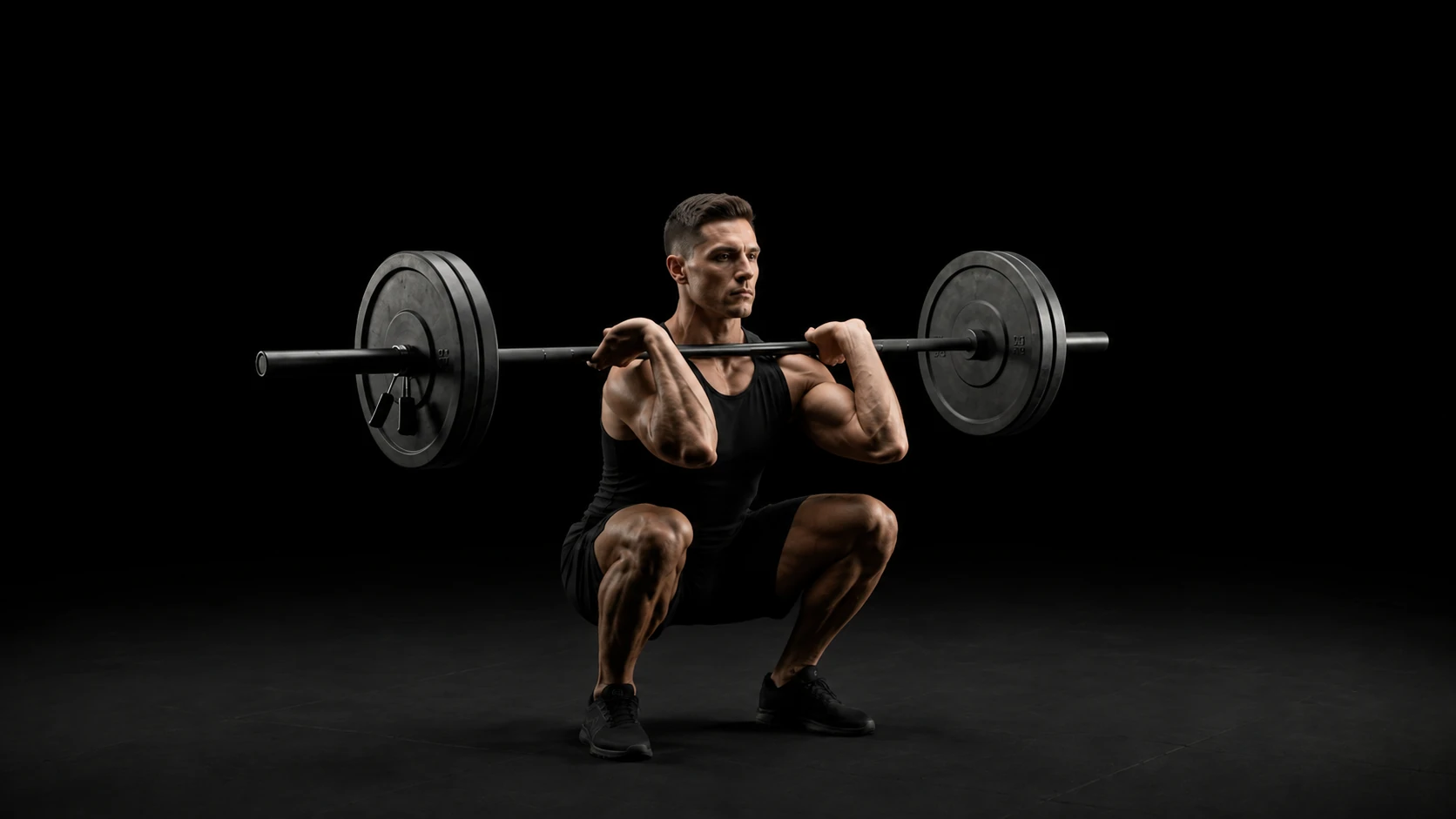
- Barbell front squat — Upright torso, more quads, brutal on the upper back.
- Smith machine squat — Fixed path when you want squat volume without a walk-out.
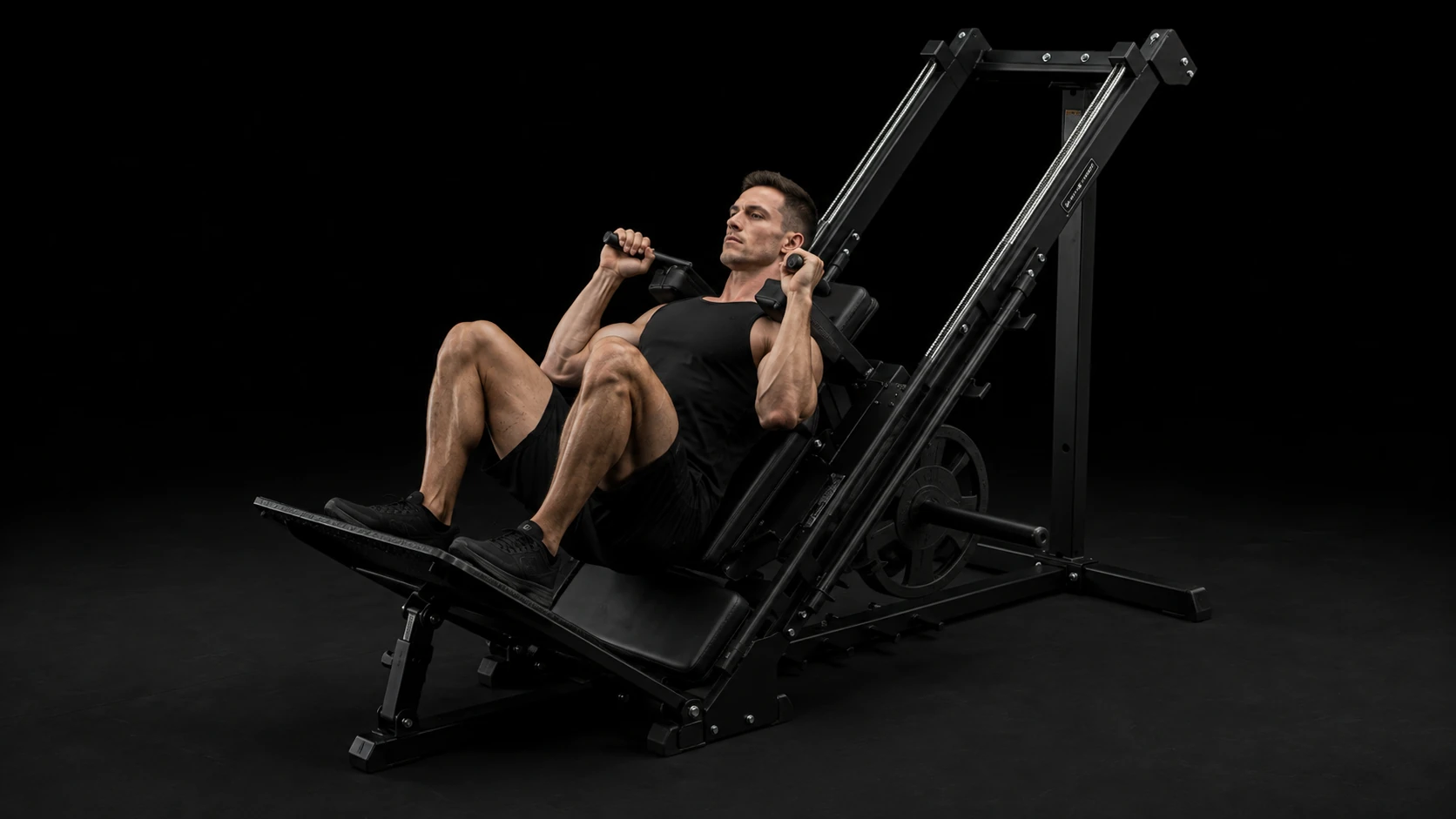
- Machine hack squat — Quad-biased, no balance tax.
- Dumbbell goblet squat — The teaching squat and a useful high-rep finisher.
PROGRESSIONS
- Bodyweight or goblet squat to a consistent depth.
- Empty-bar back squat with a three-second descent.
- Working sets at RPE 7–8. Add load when every rep hits the same depth.
- Pause squats or front squats when the hole gets sticky.
PROGRAMMING NOTES
Two to four hard squat sessions per week is plenty for most lifters once recovery is honest. Log rest — five minutes between heavy sets is normal. LIFTAG estimated 1RM will jump around if you mix paused reps and bounce reps in the same week; keep the style consistent on the main day.
EQUIPMENT ALTERNATIVES
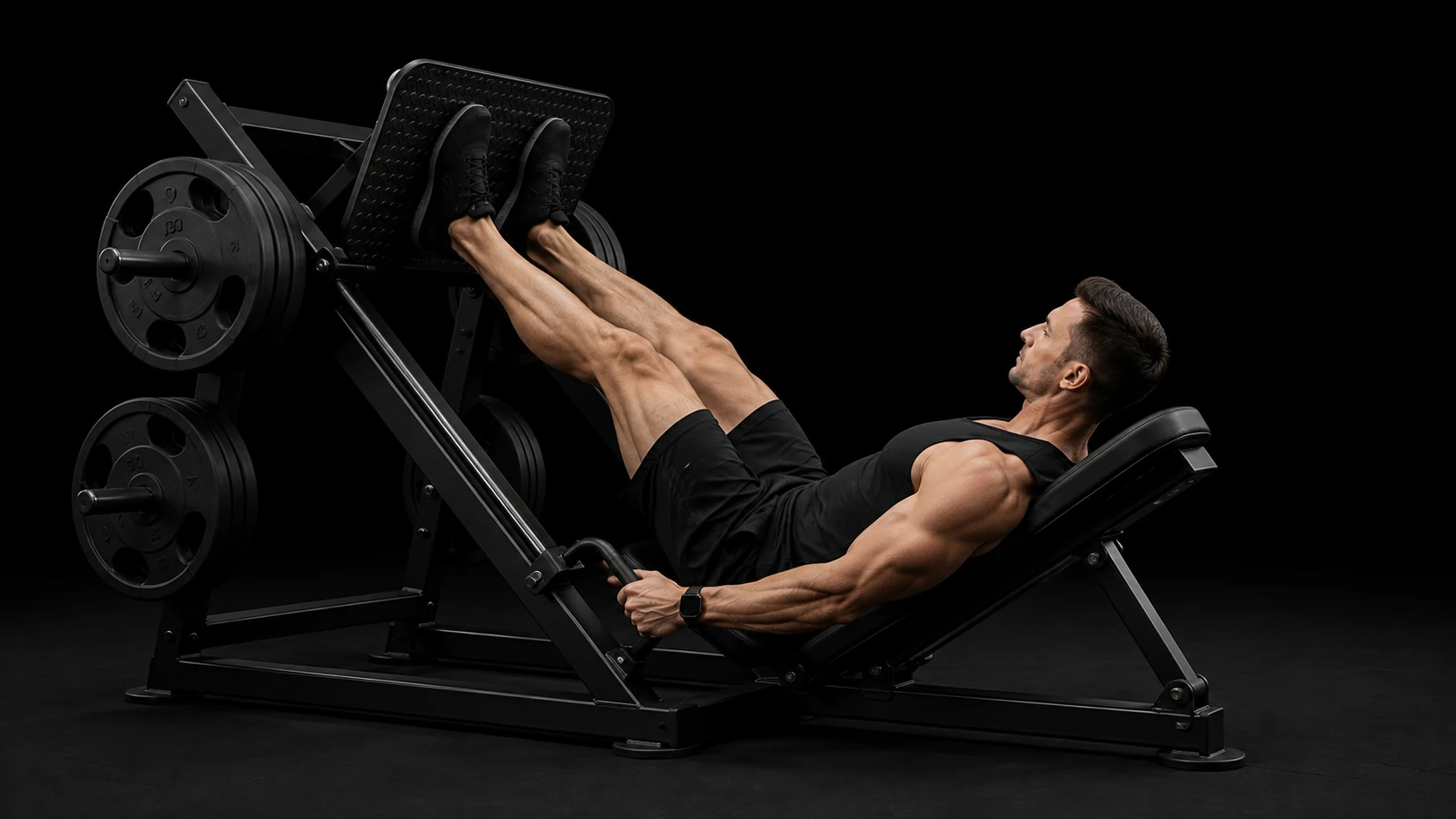
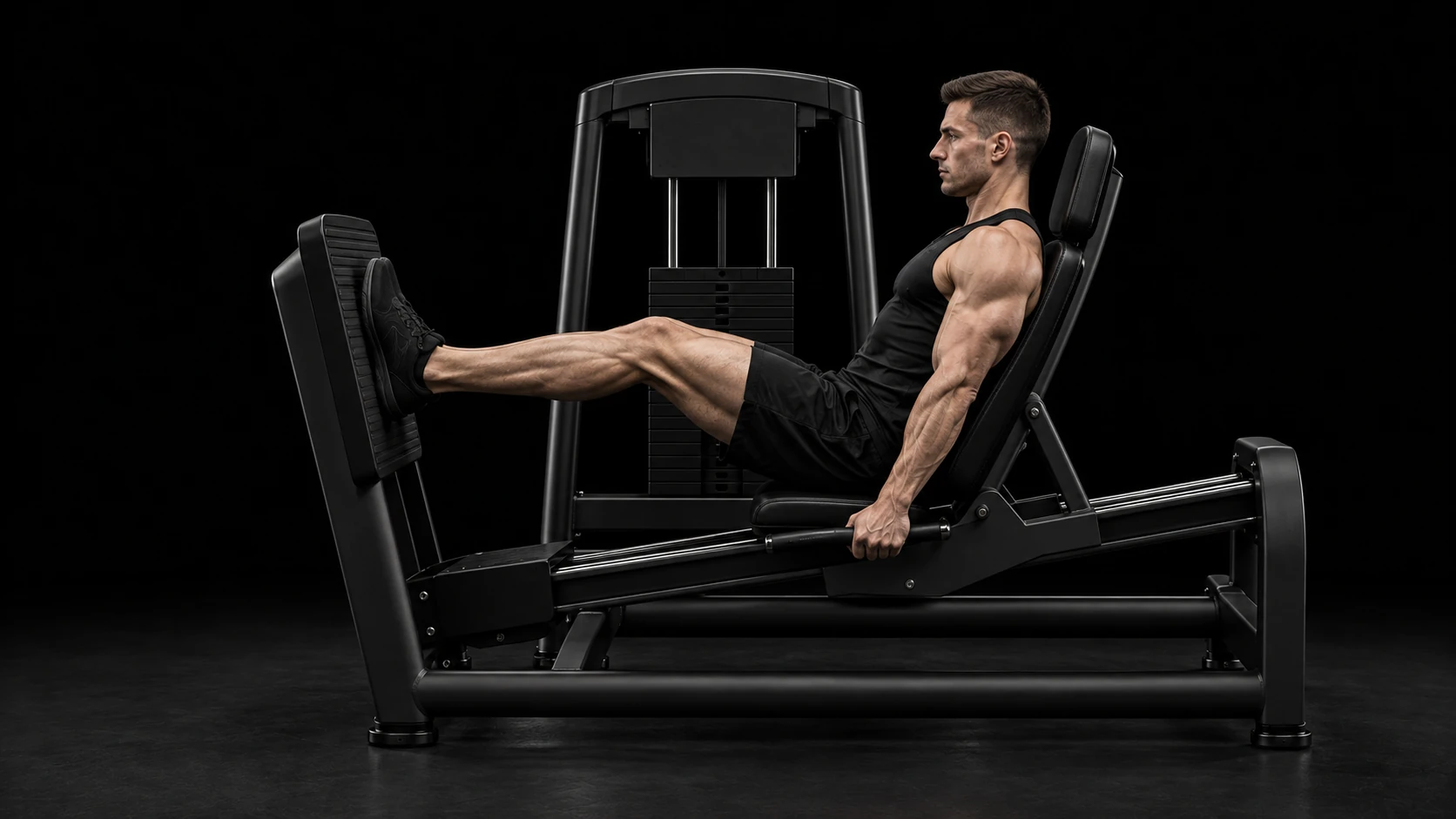
- Standard leg press — Keep quad volume when the back is too fried to squat.
- Machine hack squat — Closest machine pattern to a back squat for most gyms.
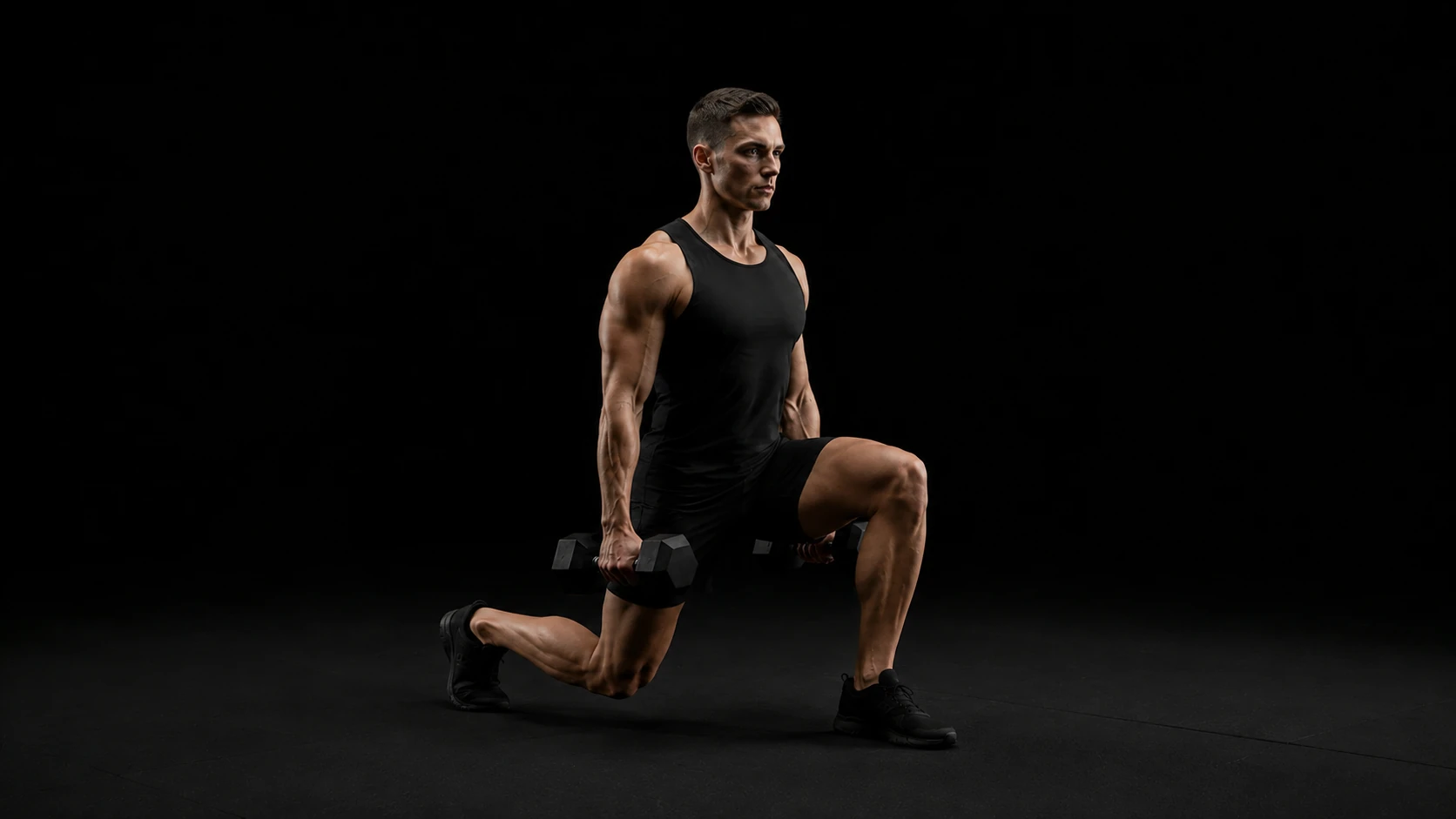
- Dumbbell Bulgarian split squat — Single-leg option that still loads the quads hard.
FREQUENTLY ASKED QUESTIONS
Open Barbell Back Squat in LIFTAG, or tap the NFC tag / scan the QR code on the machine at a partner gym. Log each working set as weight × reps. The rest timer starts after you save the set, and PRs plus estimated 1RM update automatically.