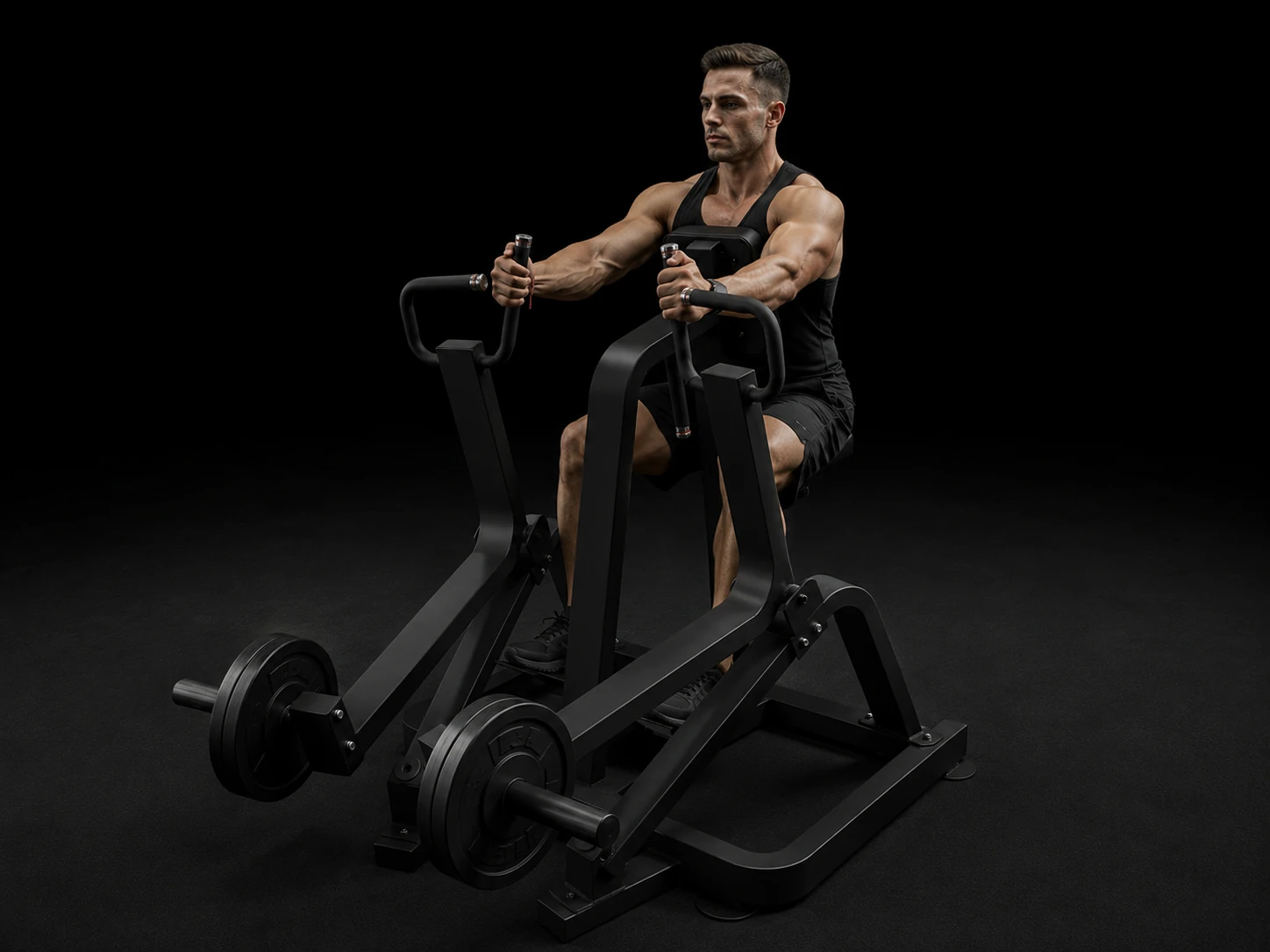
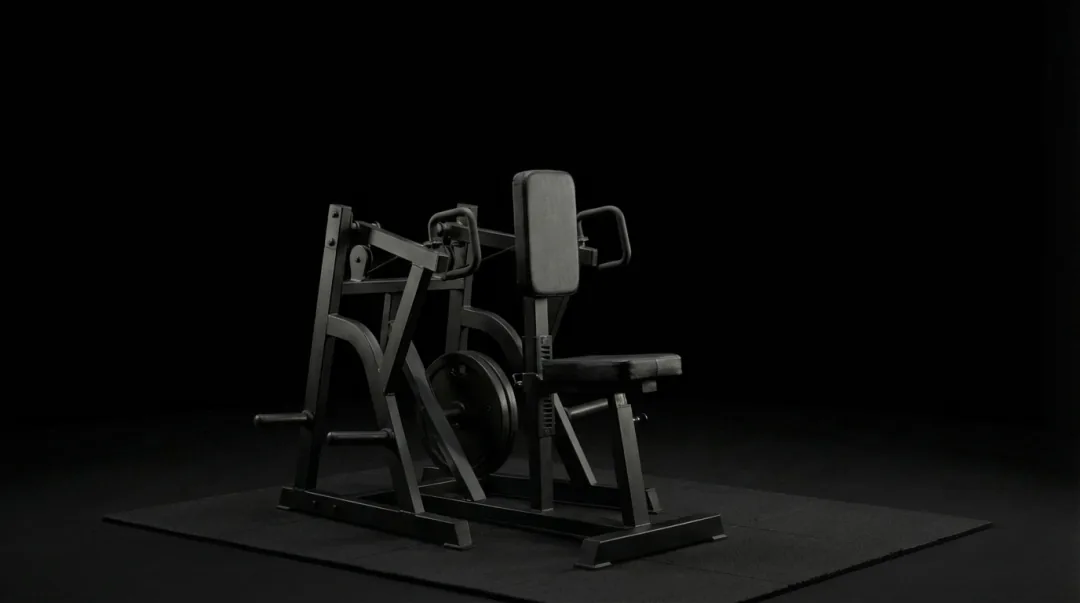
HOW TO DO MACHINE SEATED ROW
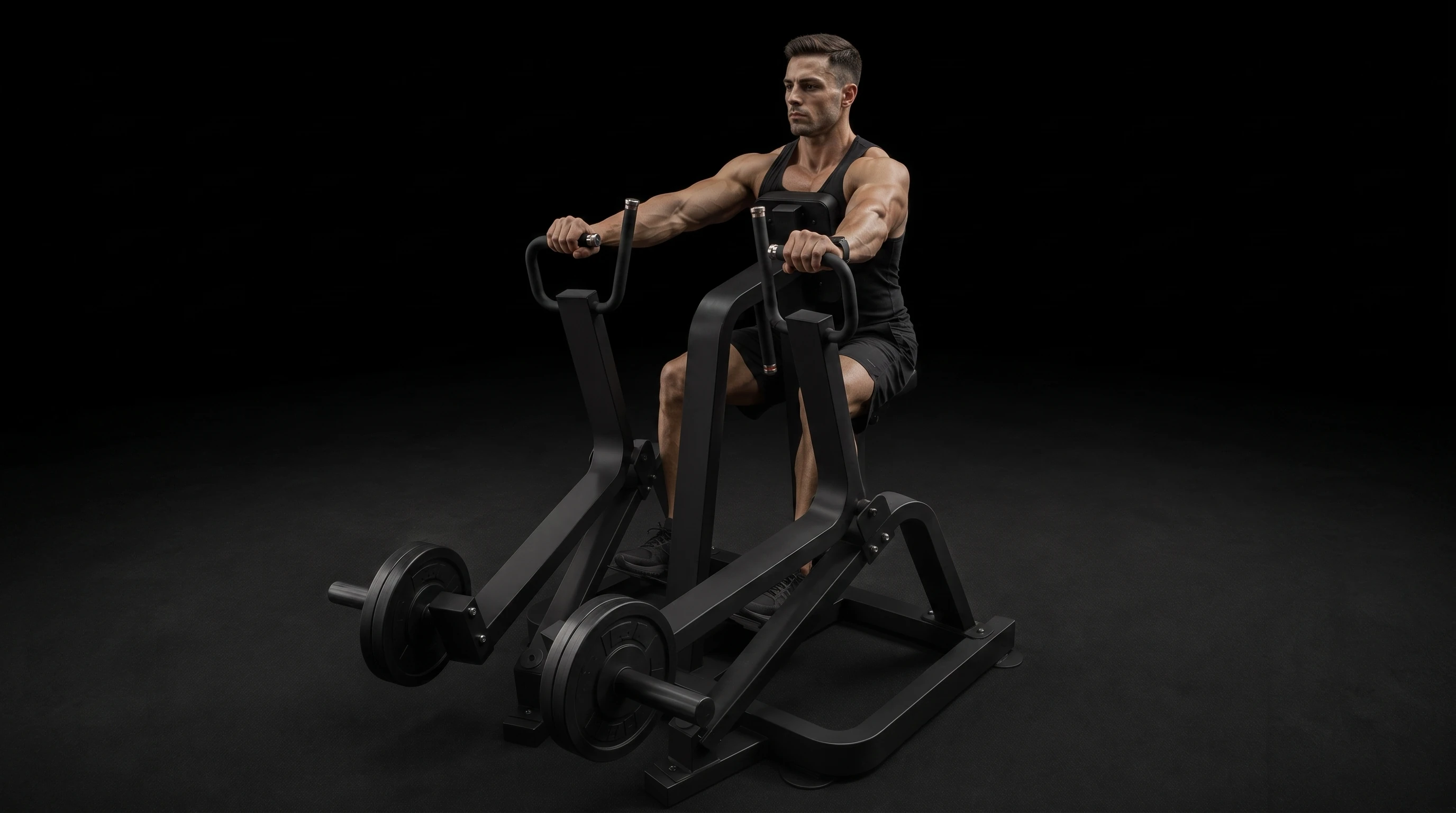
- Set the seat so the handles line up with the mid-to-lower chest and the chest pad meets the sternum. Shoulders start forward but not shrugged.
- Plant the feet, brace, keep the chest on the pad, and pull the handles to the ribs by driving the elbows back.
- Let the shoulder blades retract without pinching them into a forced squeeze. Neck long.
- Extend the arms slowly. The stack should not crash. If the machine has a chest pad, leaving it is cheating the last two inches.
COMMON MISTAKES
- Rowing with the torso, not the arms. A little pad pressure is fine. Rocking off the pad every rep is a badly loaded hip hinge.
- Seat so low the pull becomes a shrug. Handles at mid-chest, not in your lap. Height changes the whole lift.
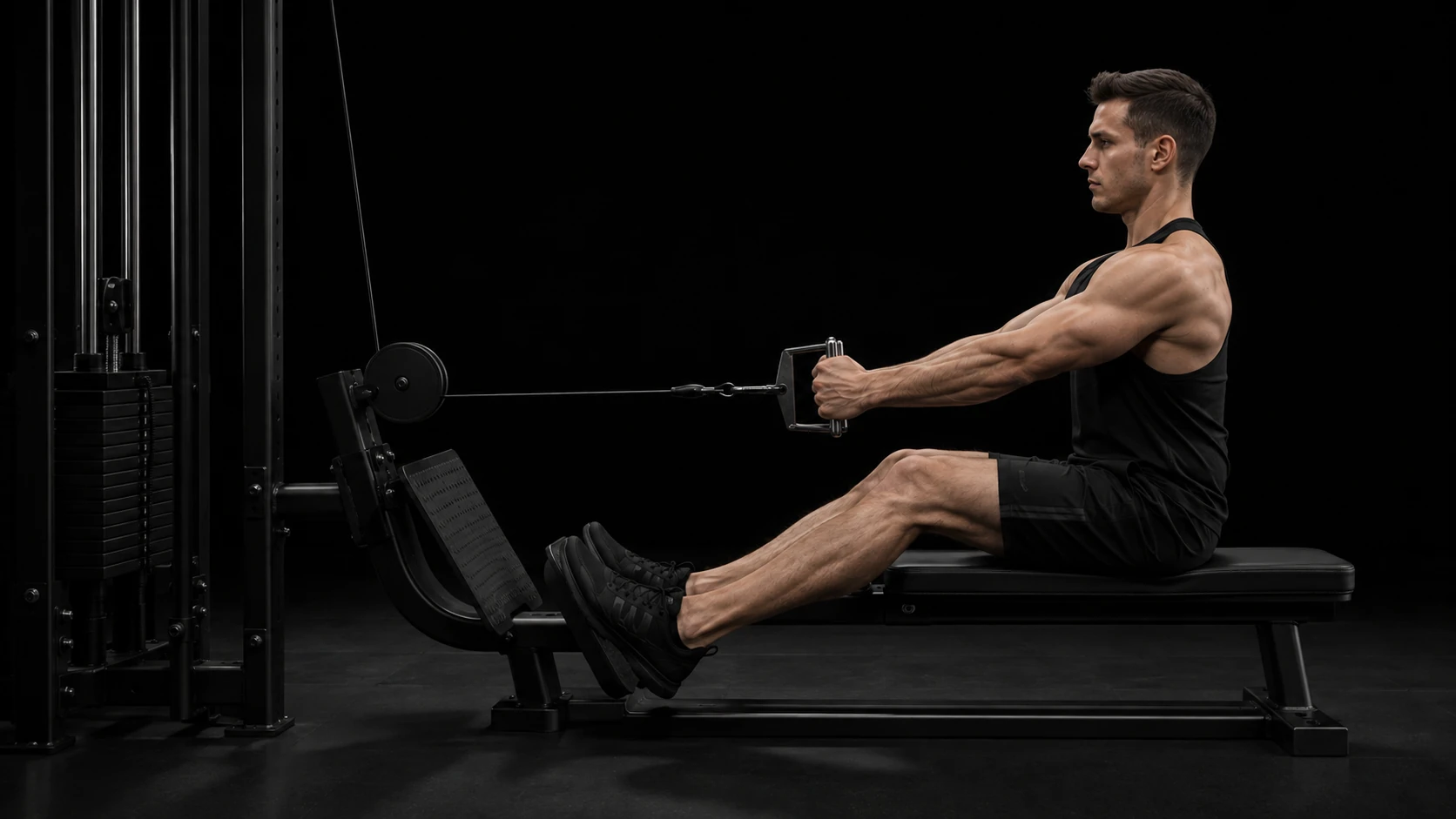
- Logging seated cable row on this slug. Cable rows let the torso move. This is the chest-supported machine. Different groove, different PR.
- Cutting the stretch because the stack is noisy. Let the arms go long. If the stack slams, add a slower lower or a slightly higher pin, not a shorter range.
VARIATIONS
- Wide-grip machine seated row — Elbows out, more rear delt and upper back.
- Seated cable row — No pad, you have to own the torso.
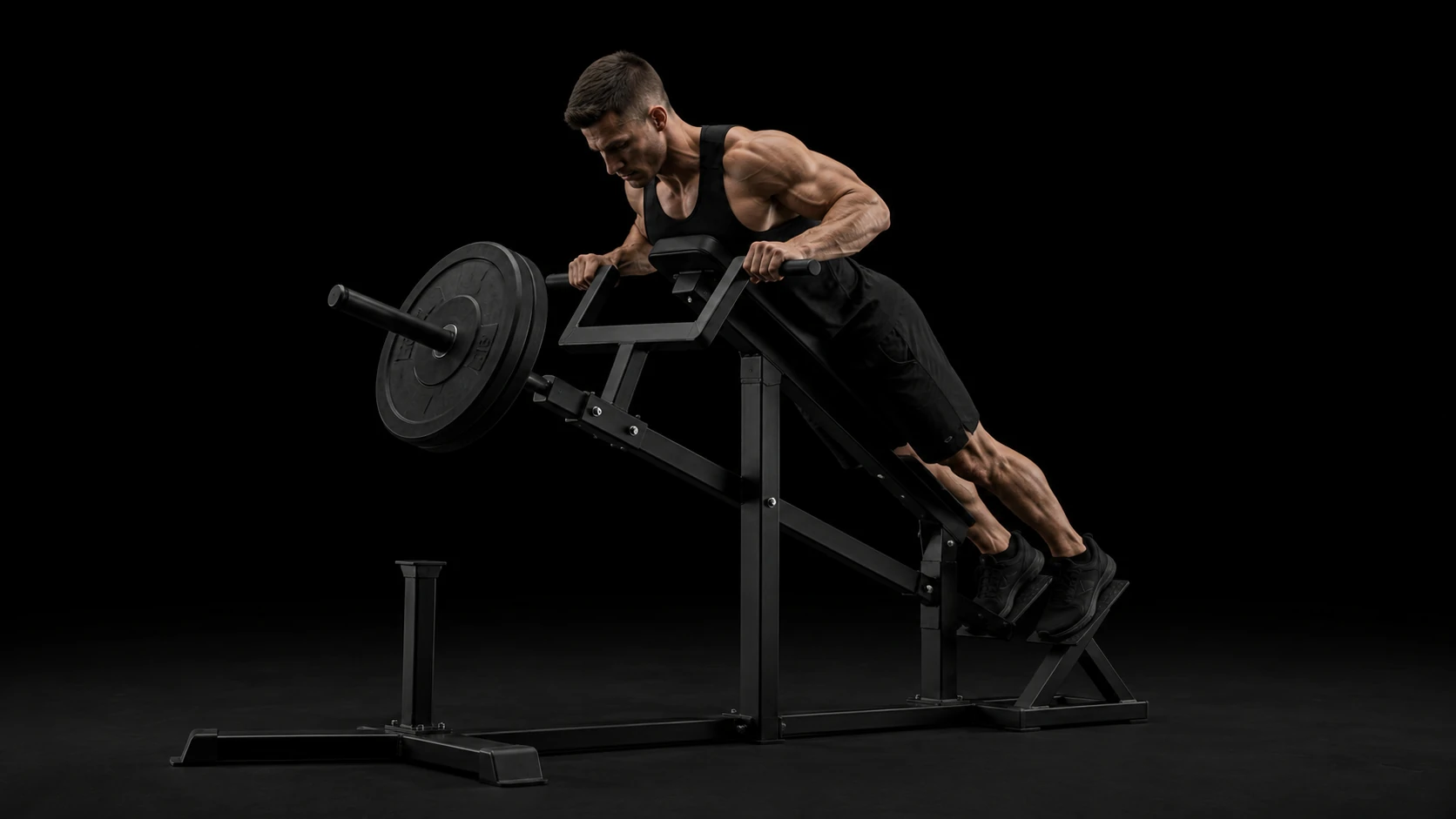
- Chest-supported T-bar row — Plate-loaded cousin of the same idea.
- Single-arm dumbbell row — When one side is lagging or the machine path hates your shoulders.
PROGRESSIONS
- Learn the pad height with a light stack and a full reach.
- Working sets of 8–12 with the chest staying put.
- Add a plate or a pin when the last set still touches the same spot.
- Wide-grip handle or a pause at the ribs when the top of the row disappears.
PROGRAMMING NOTES
High-quality row volume: 3–4 sets of 8–15. Pair it with a vertical pull, not with three other rows. If the gym’s machine changes every week, note the brand or handle — LIFTAG cannot tell a Hammer pad from a plate-loaded T-bar unless you do.
FREQUENTLY ASKED QUESTIONS
Open Machine Seated Row in LIFTAG, or tap the NFC tag / scan the QR code on the machine at a partner gym. Log each working set as weight × reps. The rest timer starts after you save the set, and PRs plus estimated 1RM update automatically.