HOW TO DO INVERTED ROW
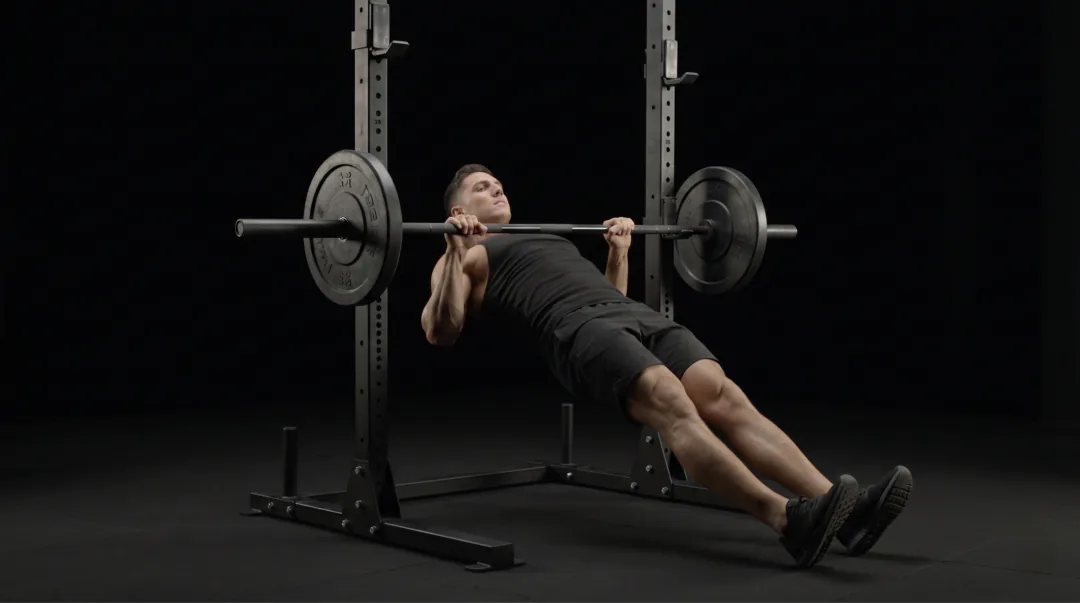
- Set a bar in a rack around waist height, or rings/TRX at a similar line. Lie under it and take an overhand or neutral grip.
- Make a long line from head to heels (or head to knees if you are regressing). Pull the chest to the bar by driving the elbows back.
- Touch the chest, not the chin. Lower until the arms are long and the shoulder blades reach.
- Raise the bar and bend the knees to make it easier. Lower the bar, straighten the legs, or elevate the feet to make it harder. Note the setup.
COMMON MISTAKES
- Sagging at the hips. A piked or banana body is not a row. Squeeze the glutes and keep the ribs down, or raise the bar.
- Reaching with the chin. Chest to bar. A chicken-neck rep does not count just because the face got closer.
- An unsecured bar. J-hooks only, no collars, bar spinning — fix the station before you hang from it.
- Changing bar height every week with no note. Lower bar is a harder lift. If LIFTAG shows a “PR” after you raised the bar, that is a different exercise.
VARIATIONS
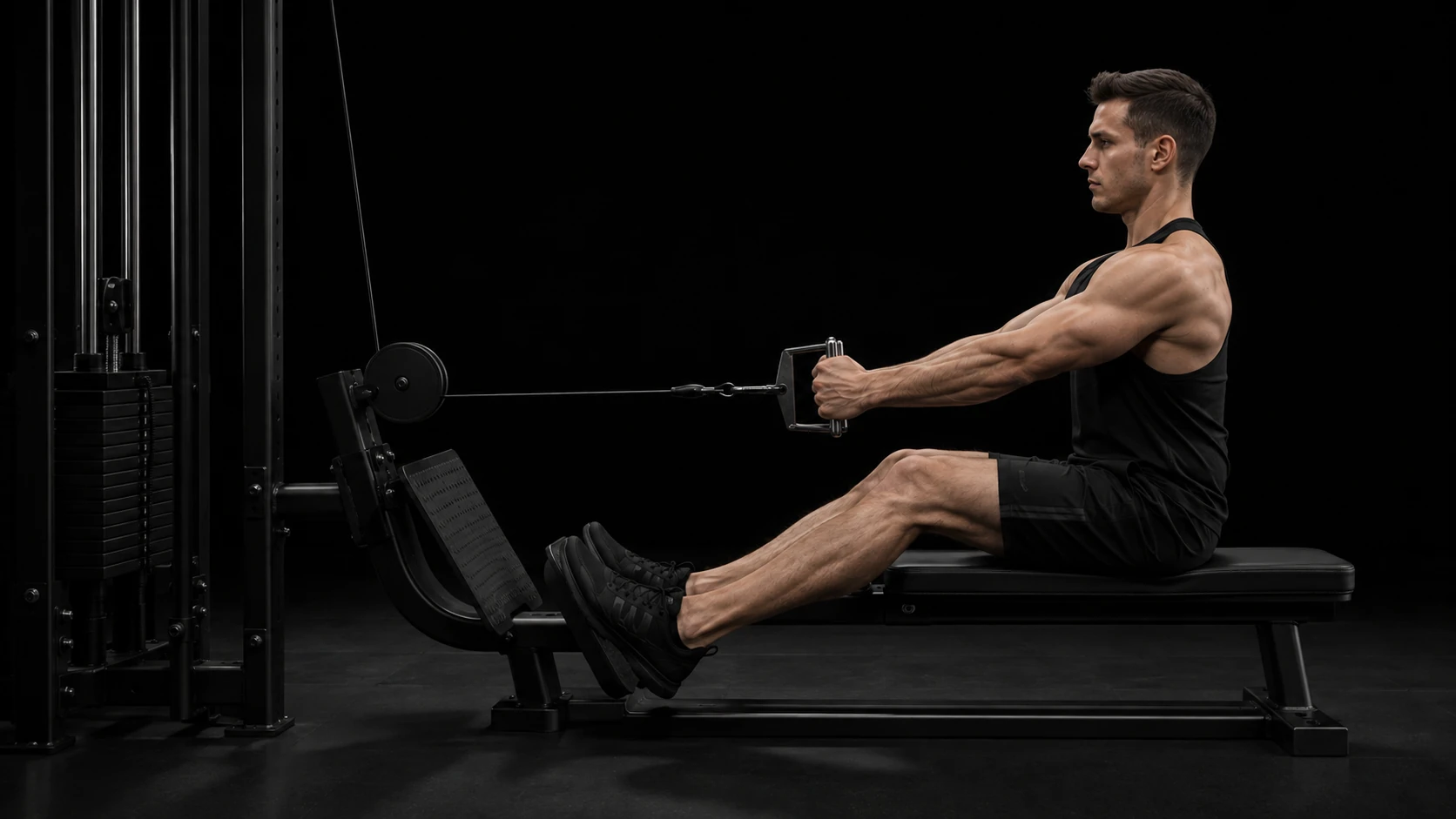
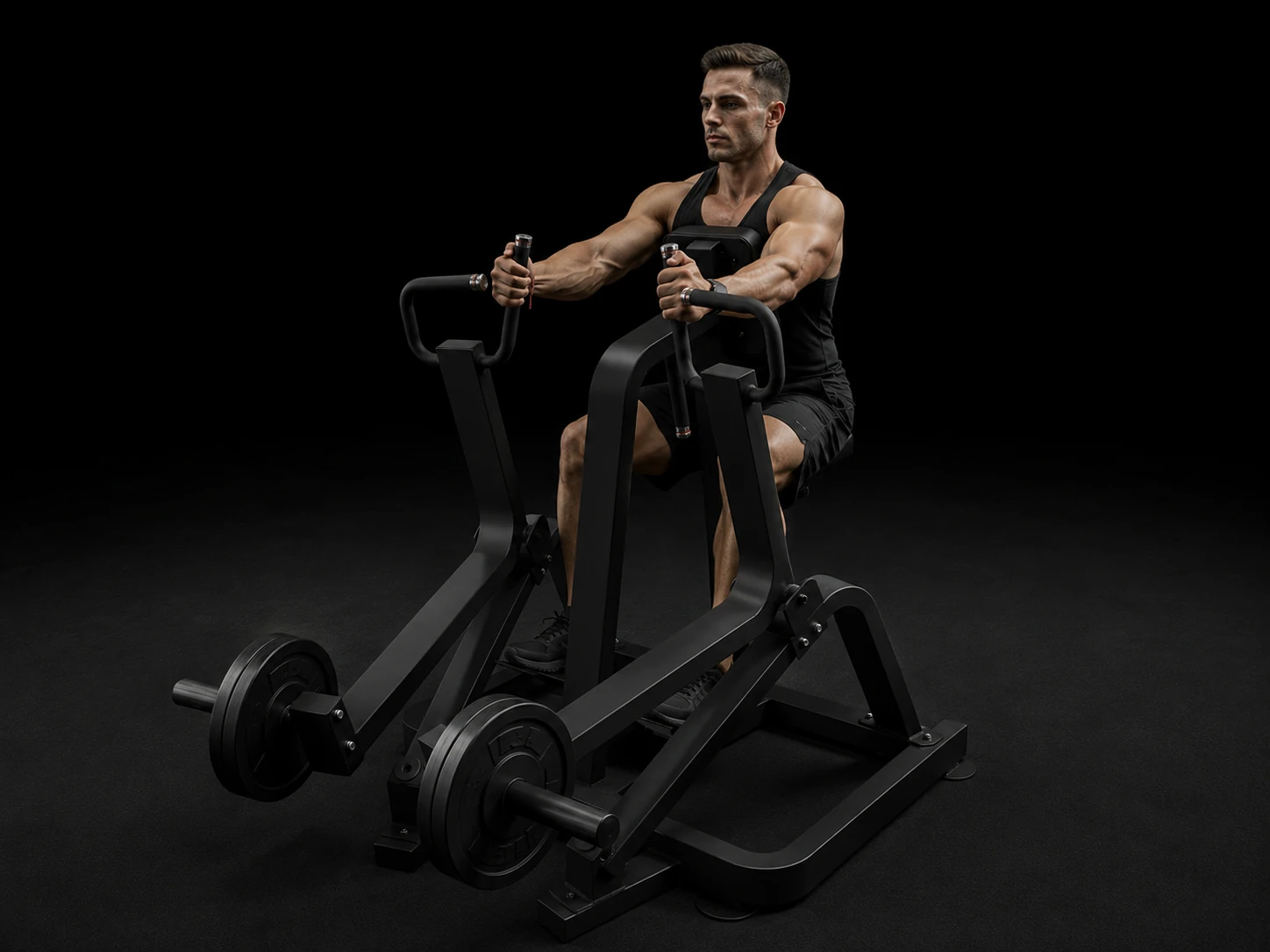
- Seated cable row — Loadable version of the same horizontal pull.
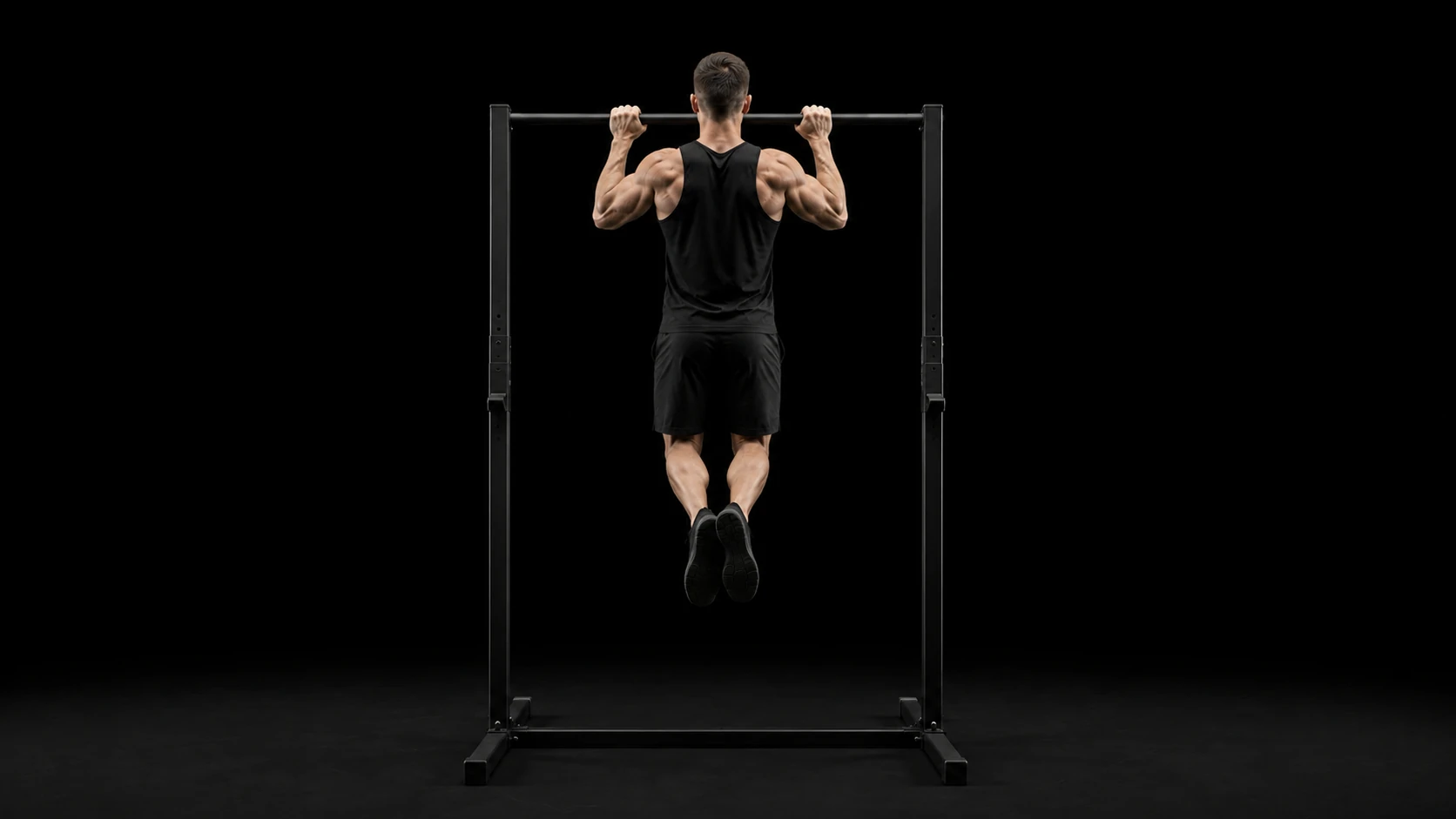
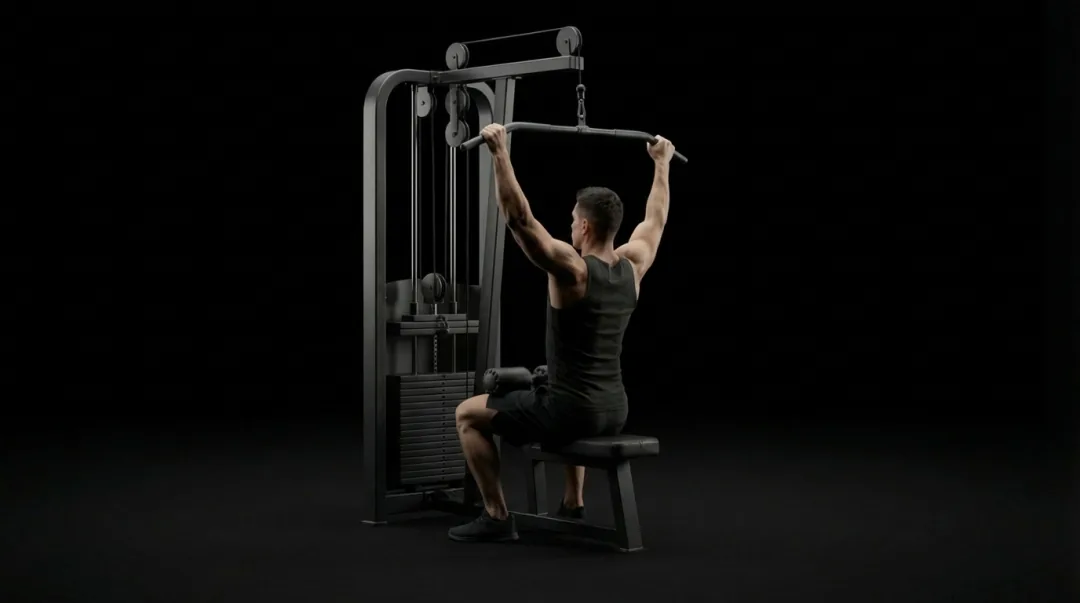
- Pull-up — Vertical next step once inverted rows are easy at a low bar.
- Single-arm dumbbell row — Free-weight row once you can load more than bodyweight.
PROGRESSIONS
- Bent-knee inverted rows at a higher bar.
- Straight-leg rows, chest touching, sets of 8–12.
- Feet elevated or a pause at the chest.
- Add a plate on the hips or a vest and log the extra load.
PROGRAMMING NOTES
The horizontal pull you can do in any rack: 3–4 sets of 6–12. Use it as the main row while pull-ups are still assisted, or as back-off after heavy barbell work. Log added load; bodyweight-only still belongs in the session so the volume is real.
FREQUENTLY ASKED QUESTIONS
Both count on this slug if the body line and chest-to-handle standard stay the same. Note “rings” when you switch — the stability tax is different even at the same height.