HOW TO DO PARALLEL BAR TRICEPS DIP
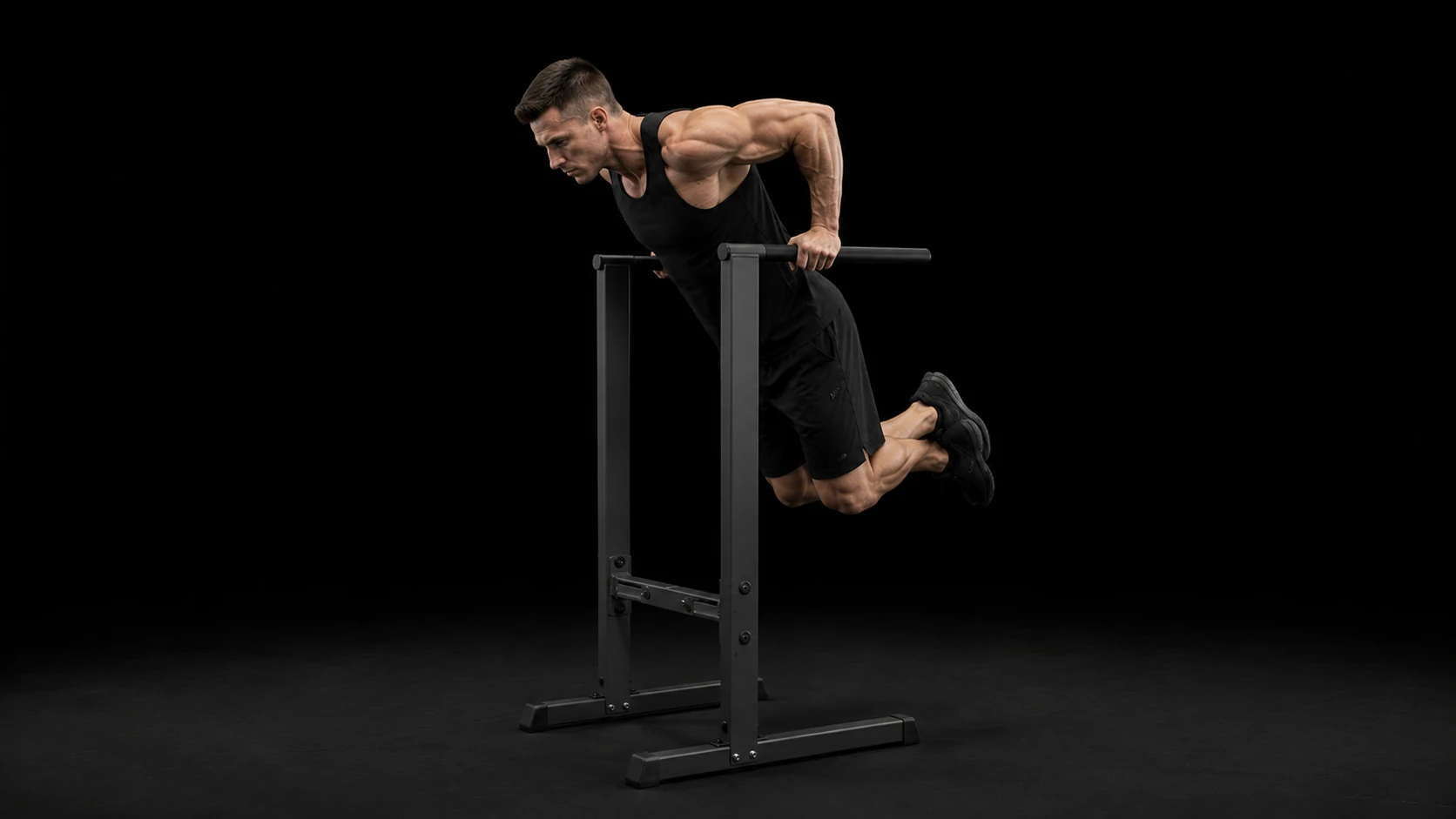
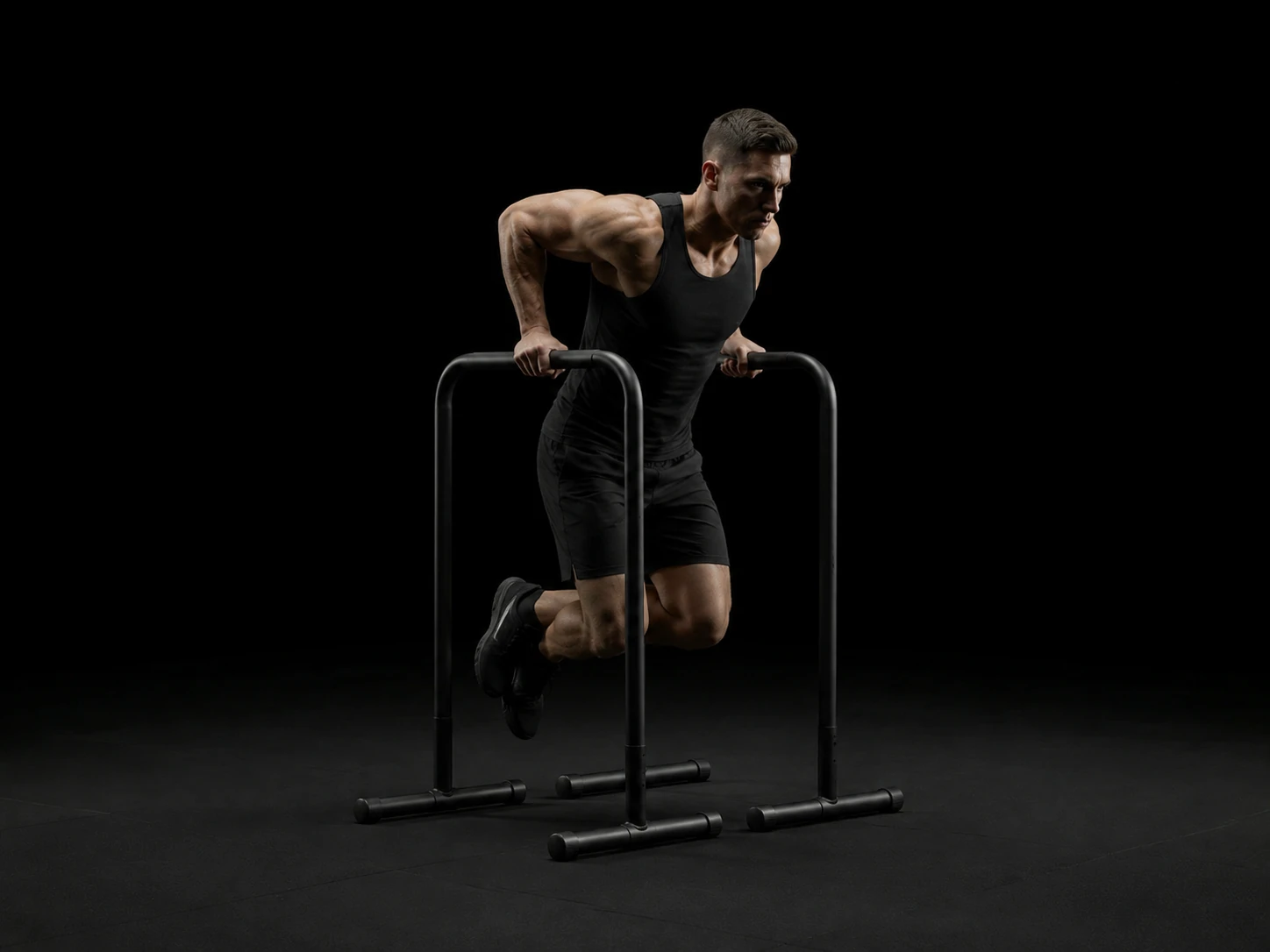
- Take the bars, lock out, and keep the torso relatively upright. Toes can point down; they should not drift into a chest-dip lean.
- Pack the shoulders down and slightly back. This is support, not a shrug hang.
- Bend the elbows and lower until the shoulders are at or just below elbow height — only as deep as the front of the shoulder stays quiet.
- Press to a full lockout without swinging the legs for the last three reps. Stop shy of a slam at the top.
COMMON MISTAKES
- Leaning into a chest dip and logging it here. Forward lean belongs on chest-dips. Upright, elbows tracking back, is the triceps version. Pick a slug and match the torso.
- Dumping into a deep bottom. Depth without packed shoulders is how this lift becomes a rehab appointment. Own a shorter range rather than a noisy one.
- Kipping the last reps with the legs. If the hips have to throw you out of the hole, the set is over. End it or move to assisted-dip.
- Not logging the dip belt. Bodyweight PRs and weighted PRs are different stories. When the belt goes on, log the extra kilograms or the chart never moves.
VARIATIONS
- Chest dips — Same bars, forward lean, more pec.
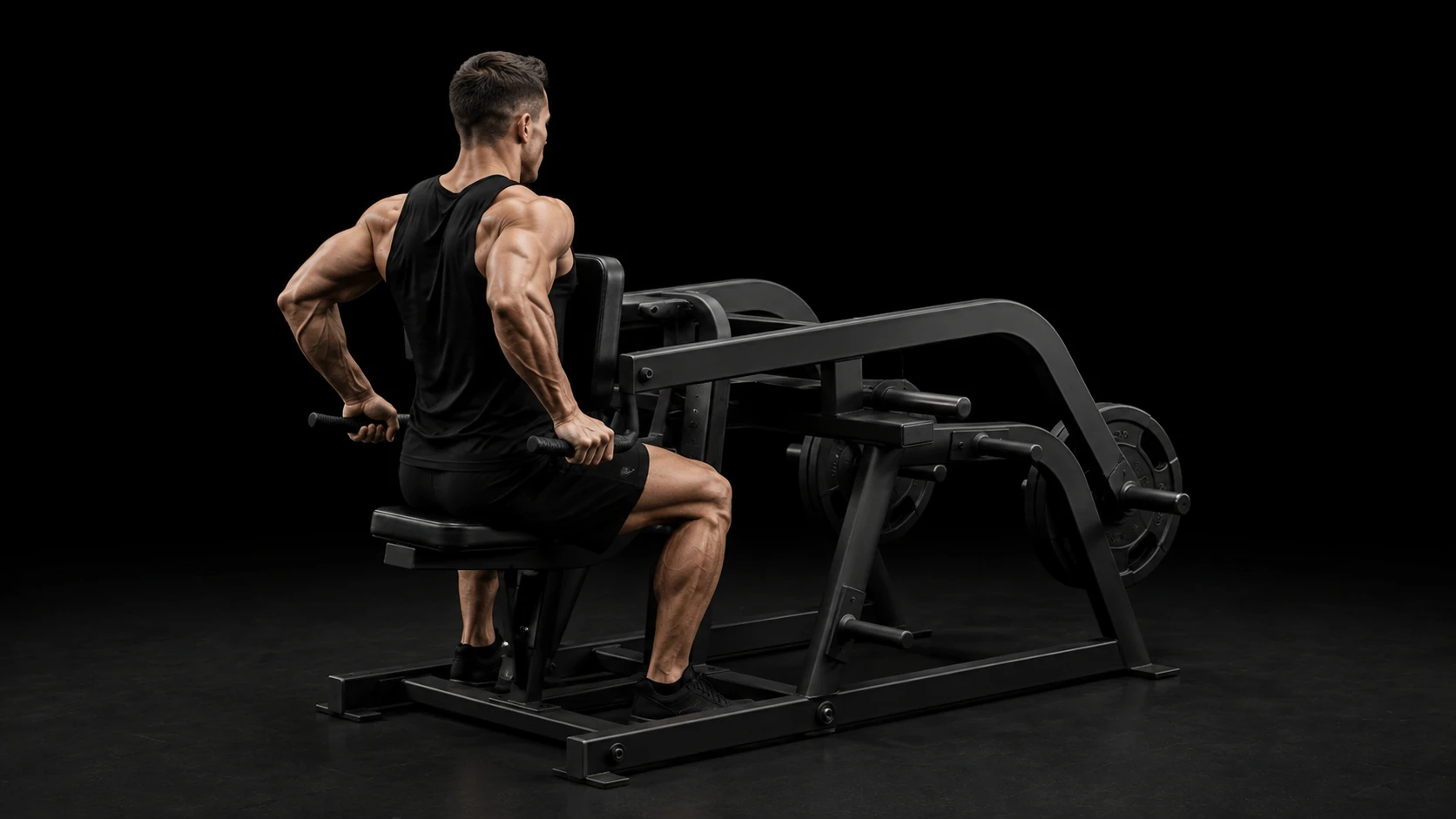
- Machine dip — Seated path when bars bother the shoulders or you want a stack.
- Assisted dip — Counterweight until full-range bodyweight is clean.
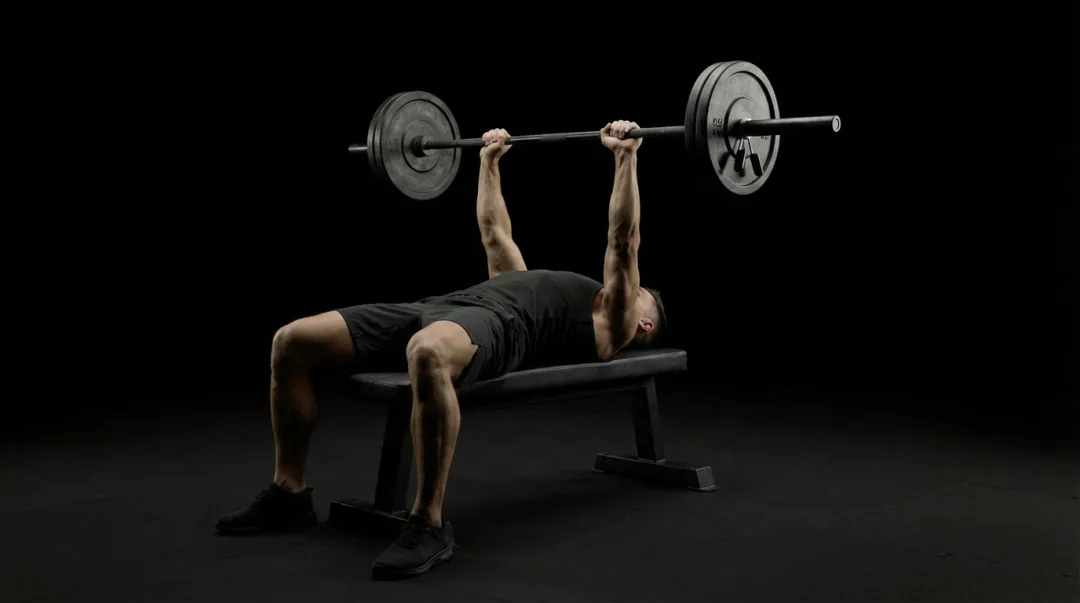
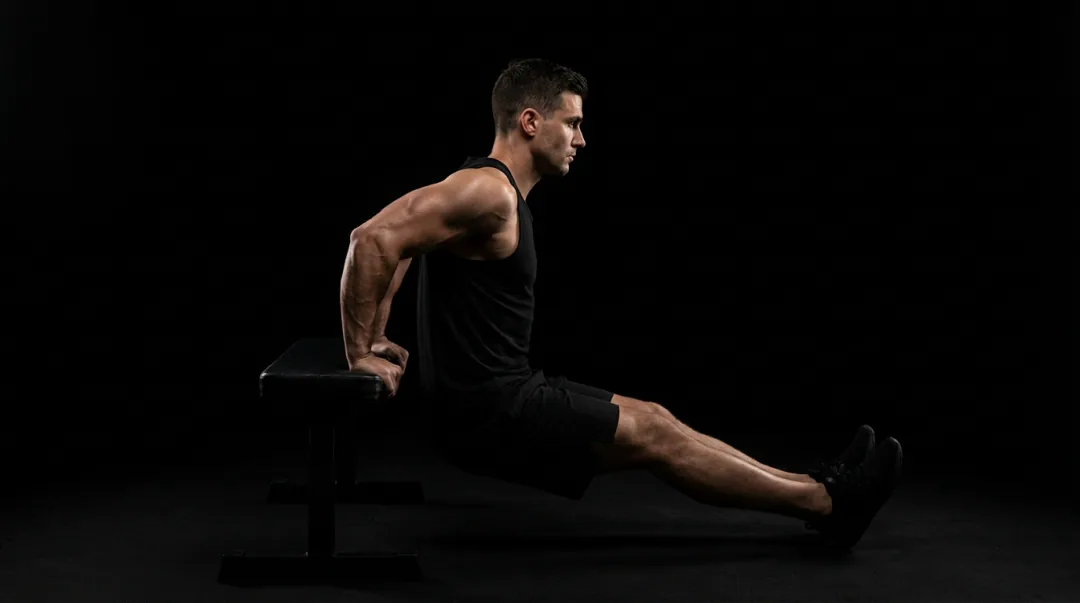
- Bench triceps dip — Home-gym fallback with a much friendlier (and easier) range.
PROGRESSIONS
- Assisted dips or machine dips until a full-range support hold is easy.
- Bodyweight sets of 6–10 with an upright torso.
- Pause a beat just above the bottom before you add a belt.
- Dip-belt loading, logged as extra weight on this slug.
PROGRAMMING NOTES
Treat weighted triceps dips like a press: 3–4 hard sets. If chest dips are already in the session, this is usually a lighter second pass or a different day — the shoulders do not care that you renamed the lean. Rest as you would for close-grip bench; LIFTAG’s timer exists so you do not rush lockouts.
FREQUENTLY ASKED QUESTIONS
To about upper-arm parallel, or slightly below, as long as the front of the shoulder feels stable. Deeper is not better if the shoulder rolls forward. Chest-dip depth with a lean is a different lift.