HOW TO DO FLAT DUMBBELL BENCH PRESS
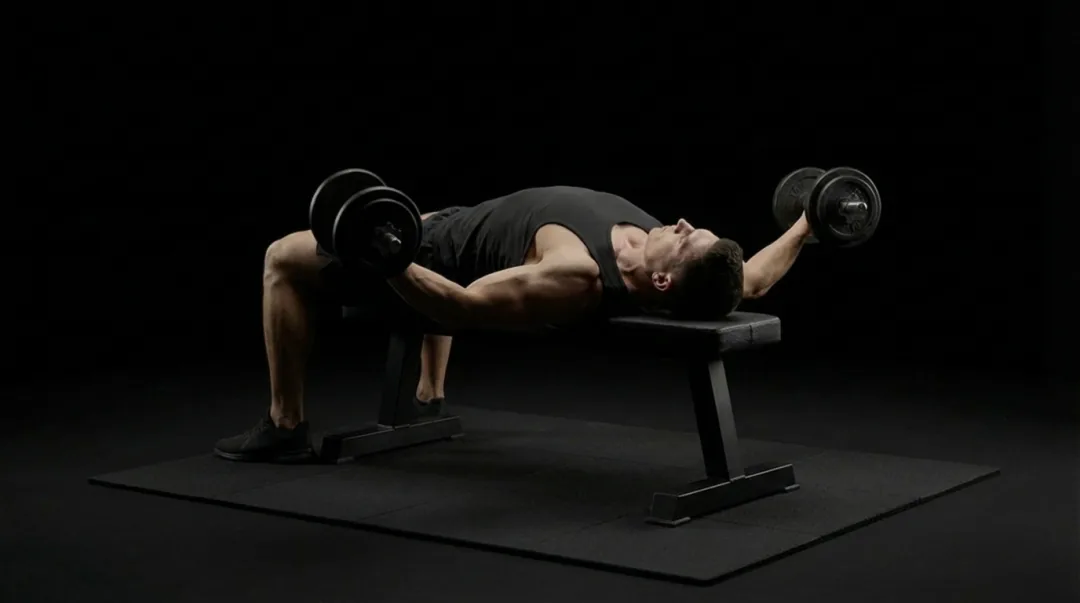
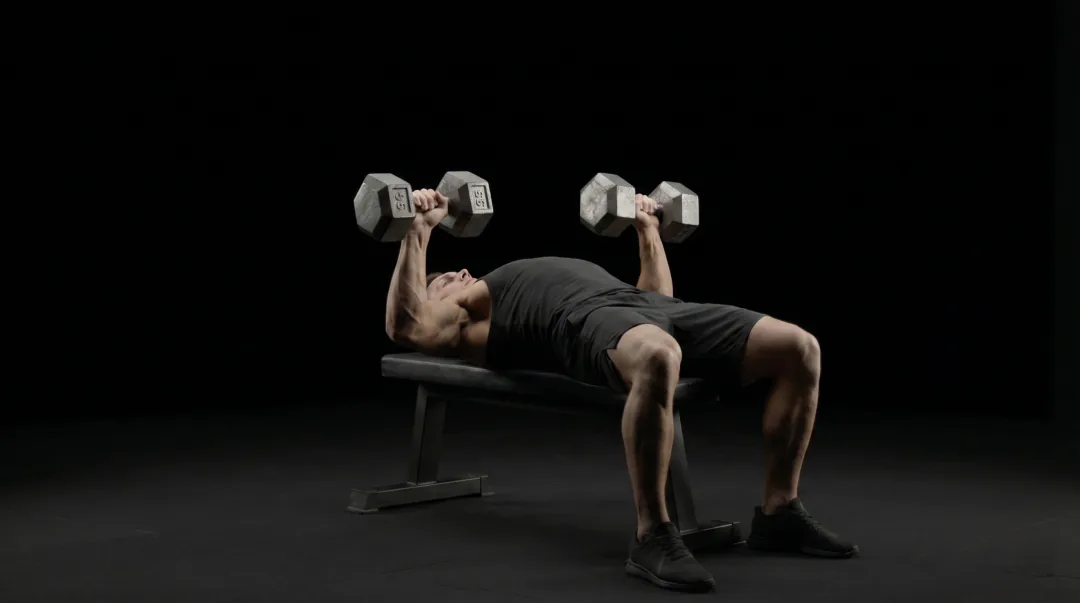
- Sit with the dumbbells on your thighs, then lie back and kick them into the start position over the chest.
- Set the same retracted upper back as a barbell bench. Palms face forward or slightly in.
- Lower until the handles are about chest level and the elbows are just below the bench, not to a painful dump.
- Press up and in so the bells finish over the chest, not over the face. Soft lockout if your elbows hate a slam.
COMMON MISTAKES
- Crashing the last three inches. The extra range is the point. Control the bottom or use a smaller drop.
- Banging the bells together at the top. That is a metronome, not a lockout. Finish over the chest without a clap.
- Logging left and right as two exercises. One lift. If one side fails first, note it. Do not split the progression.
VARIATIONS
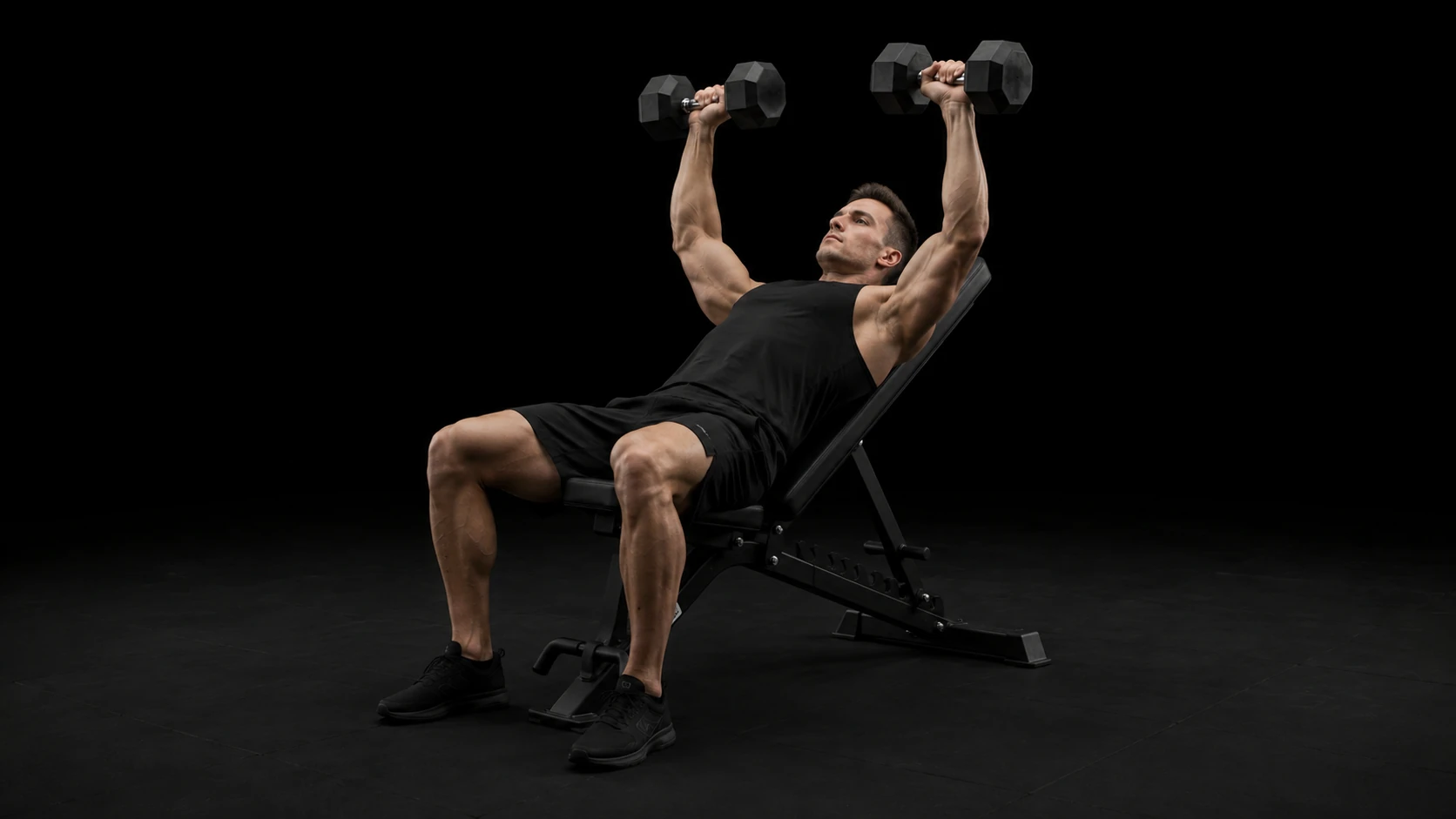
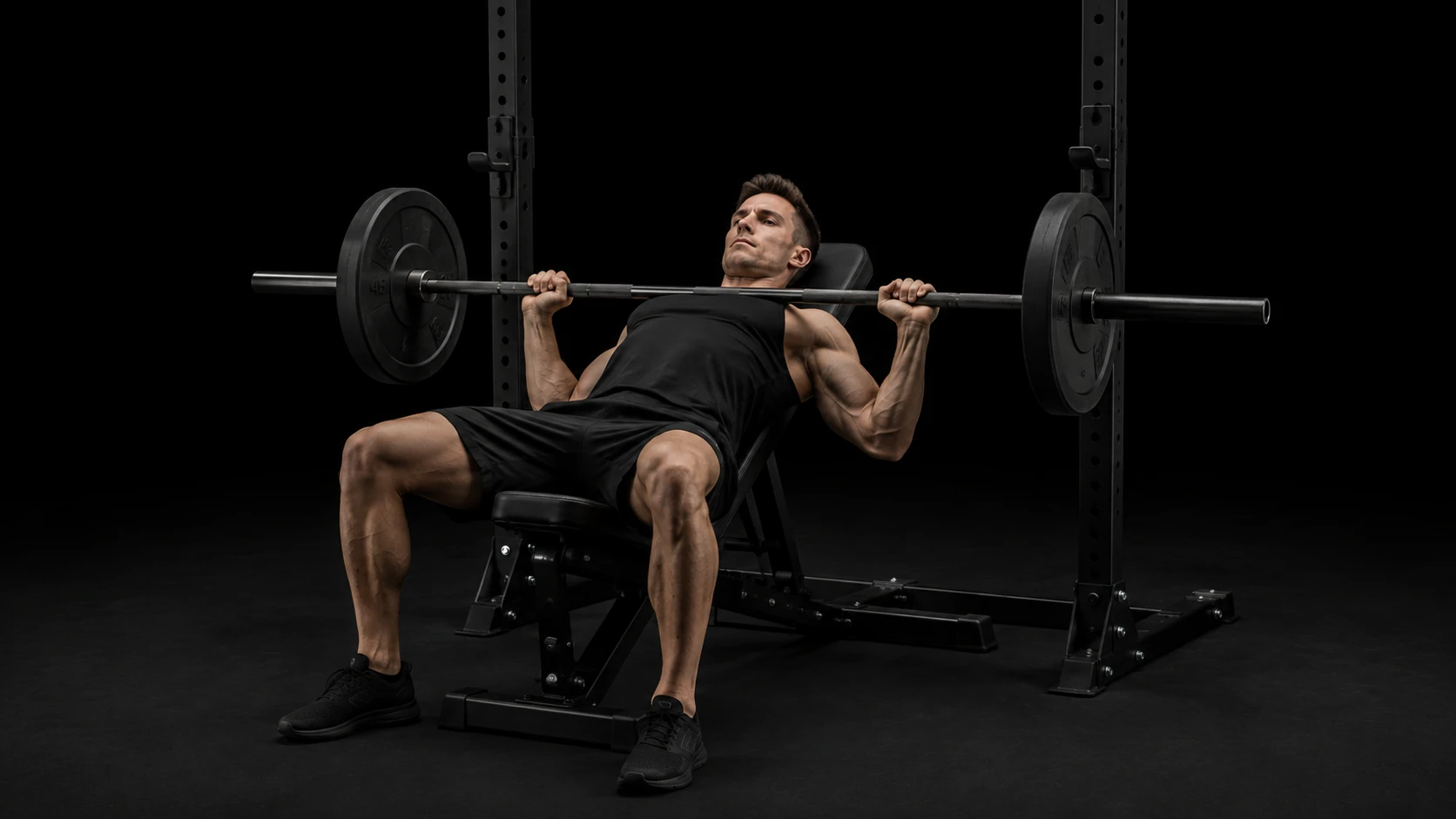
- Incline dumbbell press — Upper chest and more front delt.
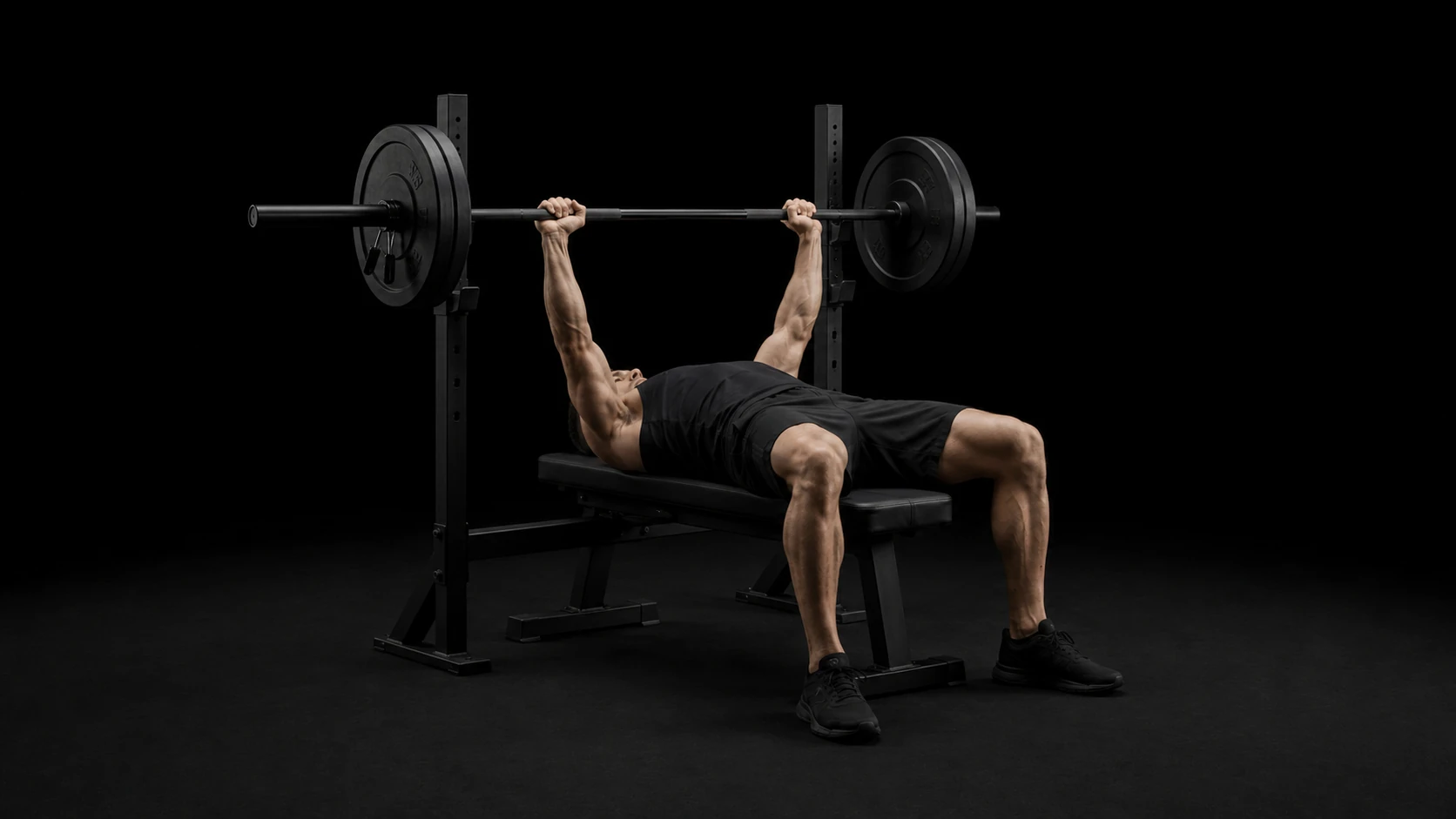
- Barbell bench press — More load, less range.
- Dumbbell floor press — Shorter range when the shoulder hates the stretch.
PROGRESSIONS
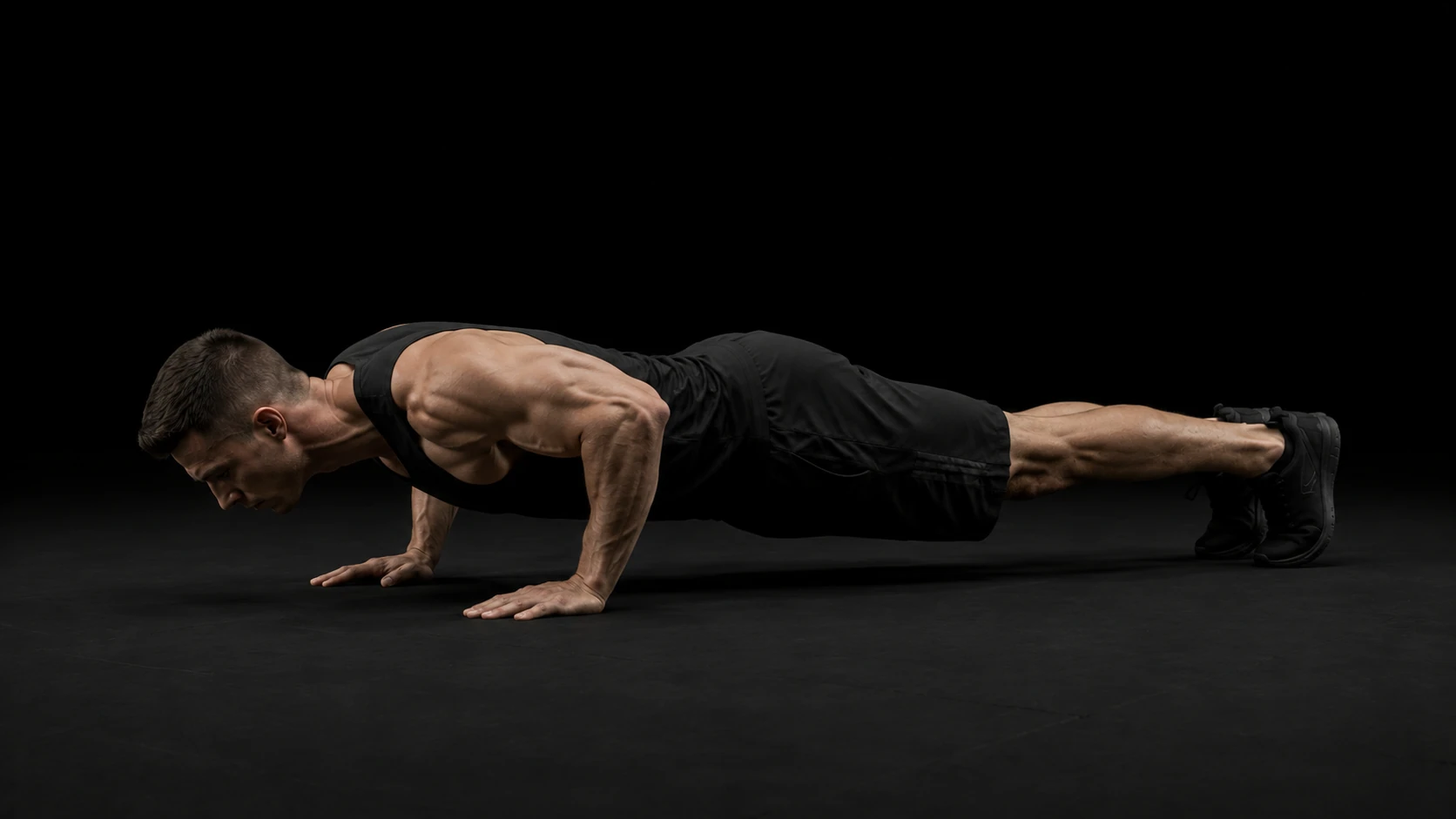
- Push-ups, then light dumbbells you can kick up safely.
- Full-range sets of 8–12 before you chase heavy triples.
- Add load when both sides finish the set together.
PROGRAMMING NOTES
Dumbbell bench is a better hypertrophy press than a 1RM test. 3–4 sets of 6–12. Log the actual dumbbell weight, not the pair total, and stay consistent week to week so LIFTAG’s chart means something.
FREQUENTLY ASKED QUESTIONS
Open Flat Dumbbell Bench Press in LIFTAG, or tap the NFC tag / scan the QR code on the machine at a partner gym. Log each working set as weight × reps. The rest timer starts after you save the set, and PRs plus estimated 1RM update automatically.