HOW TO DO DUMBBELL SHRUG
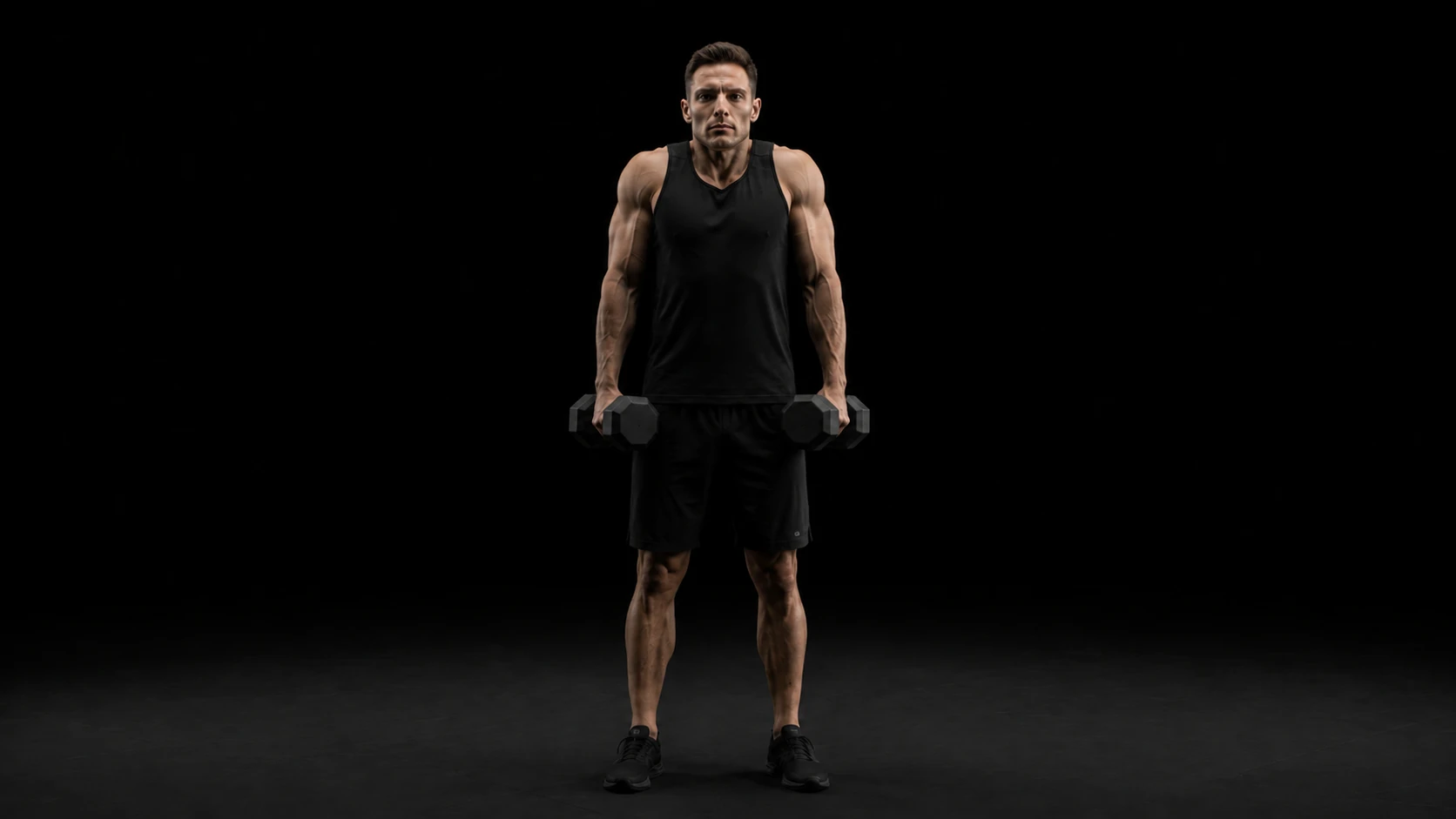
- Stand with the dumbbells at your sides, arms long, chest up, neck long. A tiny forward lean is optional; a fold at the waist is a row.
- Elevate the shoulders straight toward the ears. Do not roll. Pause until the traps are actually doing something, not just bouncing.
- Lower until the traps stretch and the bells hang. That lengthened position is the start of the next rep, not a rest with bent elbows.
- Grip hard or strap up once the hands die. If you have to bend the elbows to move the weight, it is too heavy or it is no longer a shrug.
COMMON MISTAKES
- Rolling the shoulders. Forward-circle shrugs are theater and a reliable way to irritate the AC joint. Up, pause, down. Traps elevate; they do not orbit.
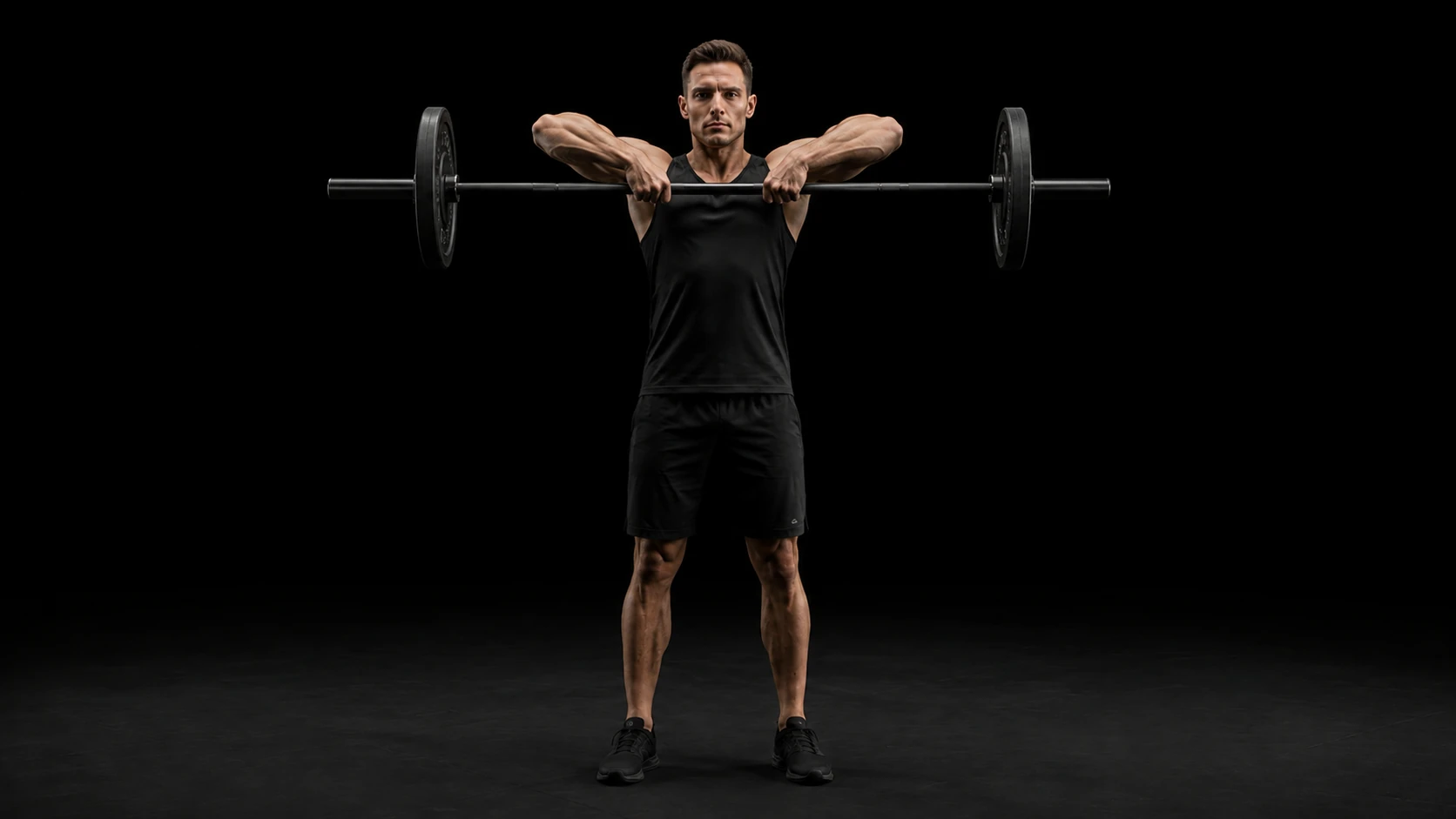
- Turning it into an upright row. Elbows bent and bells traveling up the ribs is a different lift. Log barbell upright row if that is what you did. Shrugs keep the arms long.
- Crane-neck at the top. The head stays tall. Reaching the chin forward to “feel it more” just loads the neck. Shoulders to ears, not ears to shoulders.
- Bouncing 50s for triples. Shrugs reward time under tension more than a fake 1RM. If the bells are moving and the traps are not pausing, drop the load.
VARIATIONS
- Barbell upright row — More delt, still upper trap, only if the shoulder likes the path.
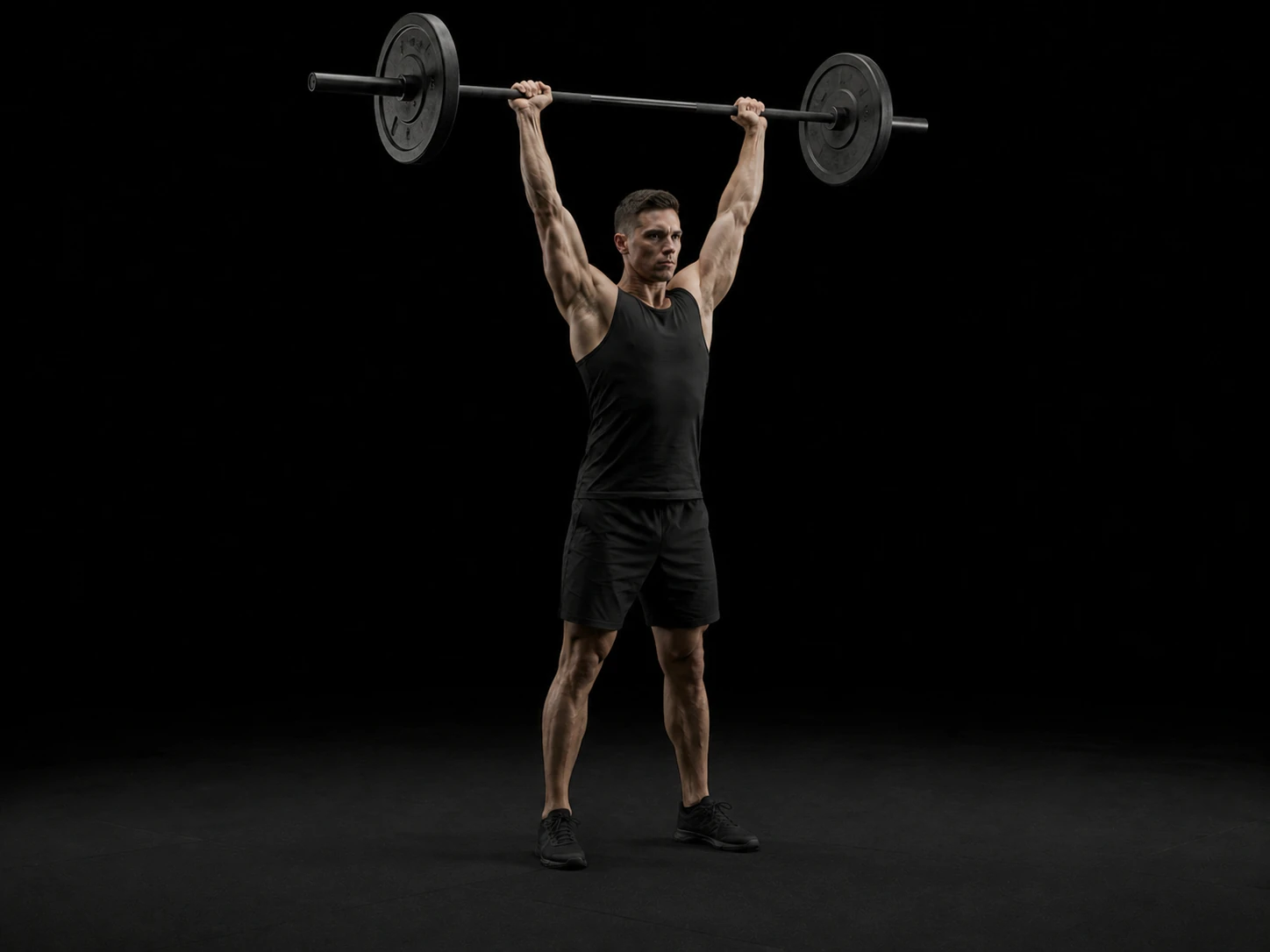
- Standing barbell overhead press — Heavy lockouts load the traps as a compound, not as a shrug substitute.
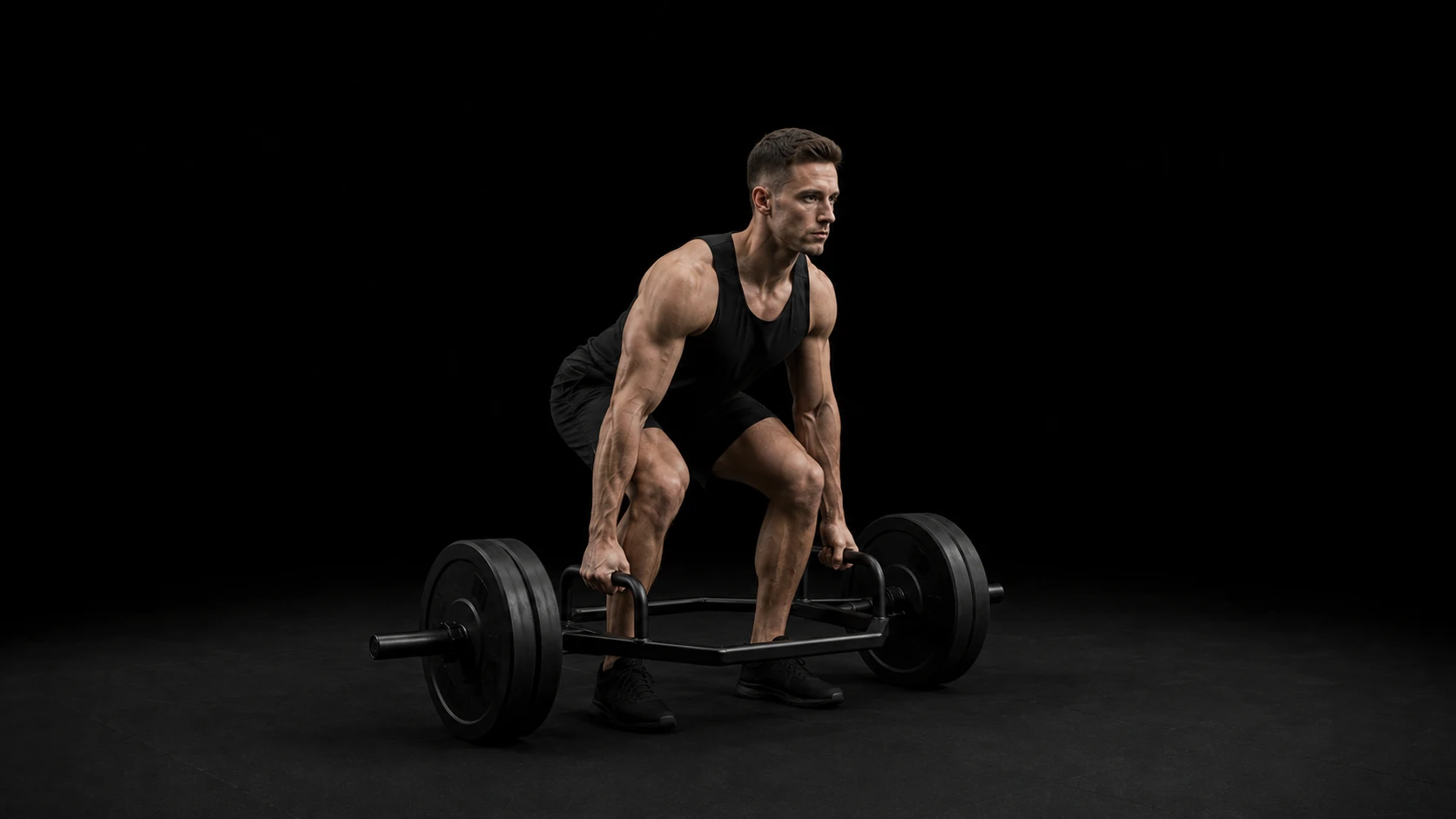
- Trap bar deadlift — Heavy lockouts on a trap bar hit upper traps; actual shrugs still belong on this slug.
PROGRESSIONS
- Light dumbbells, two-second pause, full stretch at the bottom.
- Add load when the pause is still there and the elbows stay straight.
- Straps once grip is the limiter and traps are the target — note “straps” so the chart is honest.
- Slow lowers if you run out of heavy bells before you run out of quality reps.
PROGRAMMING NOTES
Shrugs are accessory work: three to four sets of 8–15 after a pull or a press. Log the dumbbell weight, not the pair total. A LIFTAG PR here only matters if the pause stayed in; bouncing a heavier pair is not a trap PR. Rest just long enough that the next set is not a grip contest unless that is the point.
EQUIPMENT ALTERNATIVES
- Barbell upright row — If you only have a bar and the shoulders allow it. Different pattern — log it as the row.
- Trap bar deadlift — Use the trap bar for heavy pulls. Shrug it only if the movement is actually a shrug, and still log this lift.
FREQUENTLY ASKED QUESTIONS
No. Elevate and lower. Rolling does not add a secret trap fiber; it just grinds the shoulder girdle. If you want more work, pause longer or add a slow lower.