HOW TO DO CABLE PULL-THROUGH
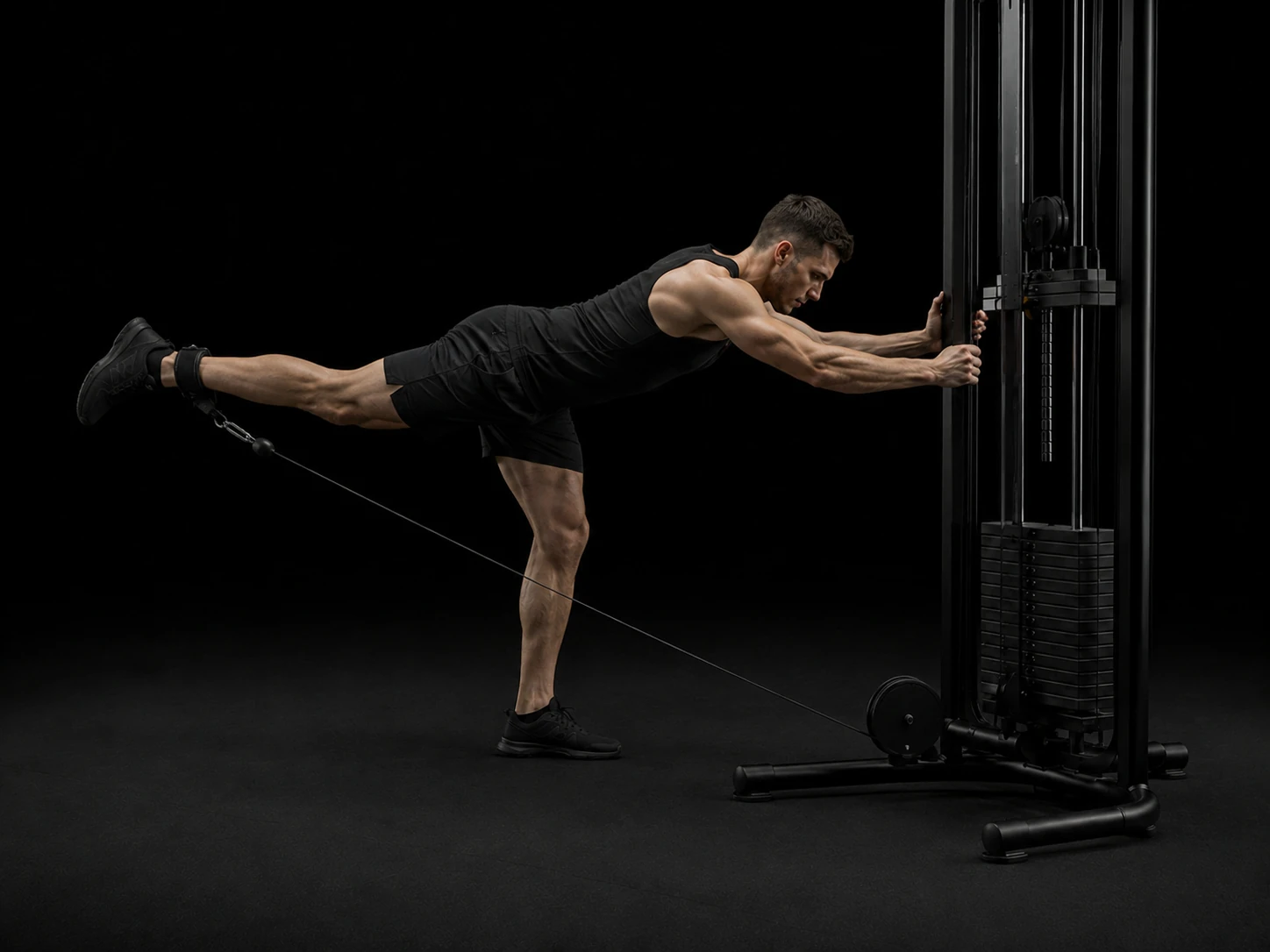
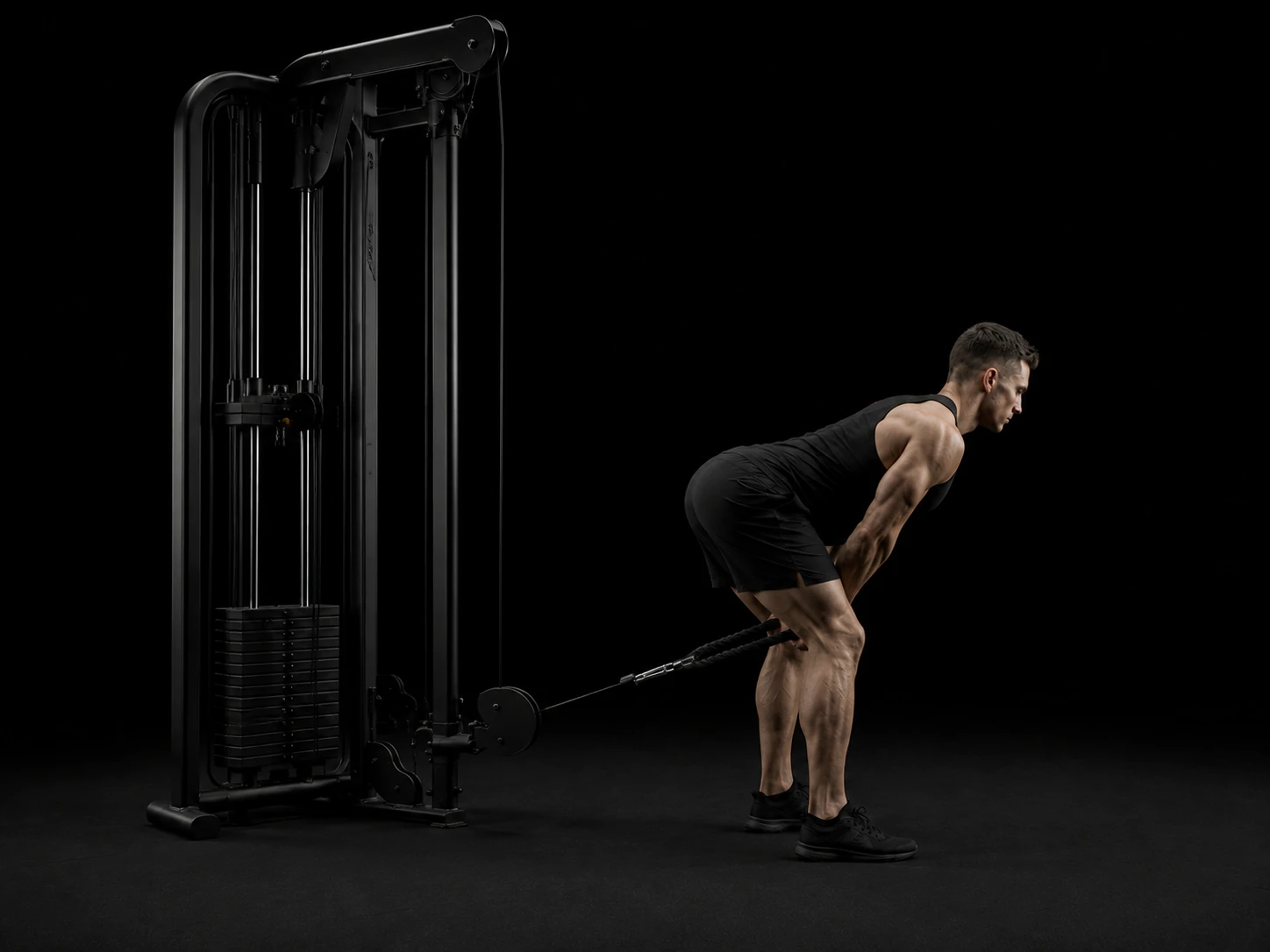
- Low pulley, rope attachment. Straddle the cable, walk out until the stack is live, and hinge so the rope runs between the thighs.
- Soft knees, hips back, spine long. Let the cable pull you into a hamstring stretch. This is not a squat start.
- Drive the hips forward until you stand tall. The rope finishes near the hips. The arms are ropes, not a row.
- Hinge to return. Guide the cable. Do not squat down to catch it, and do not round over a dead stack.
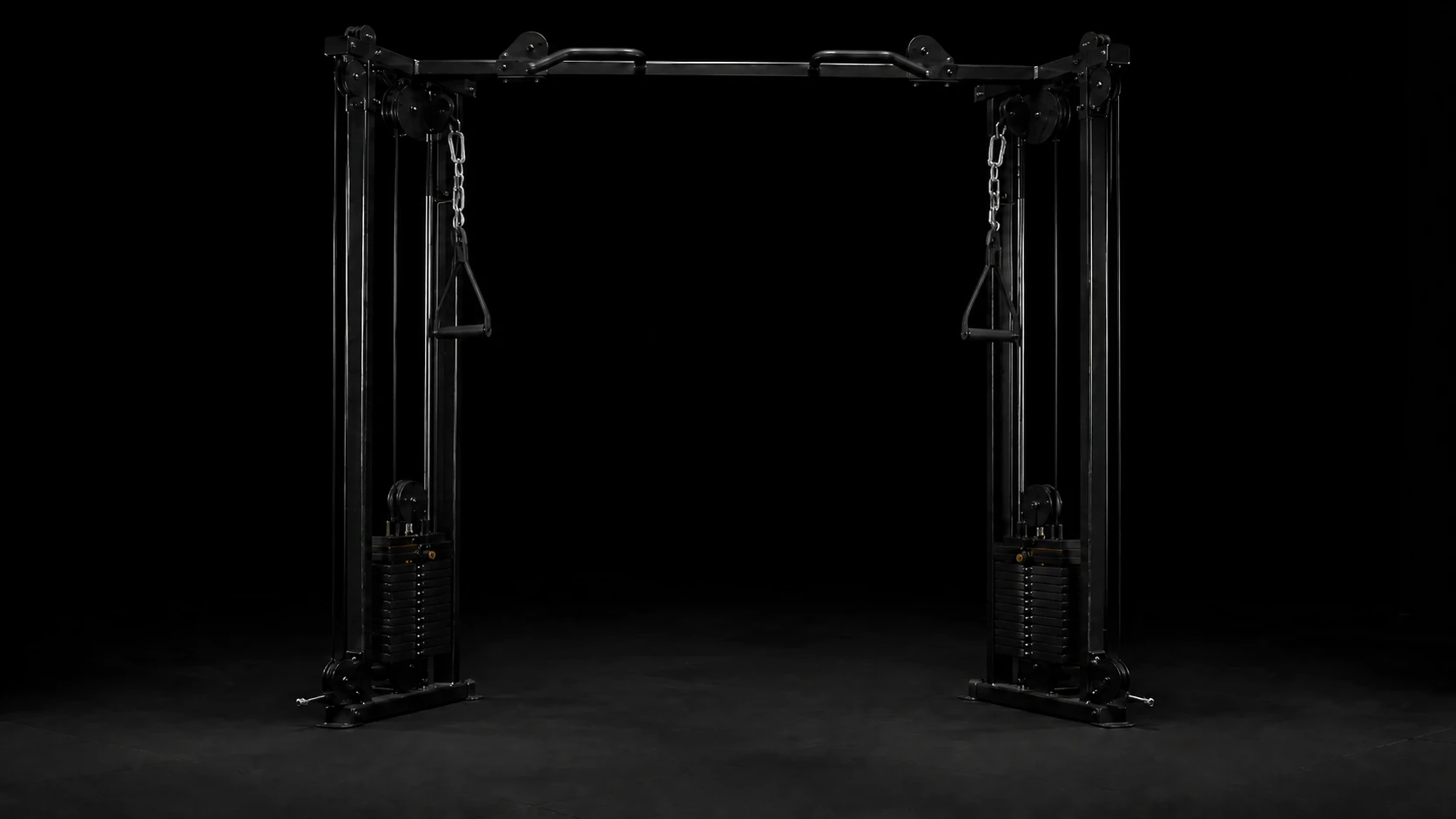
- Stay far enough from the tower that the plates never rest mid-set. If they kiss, take another step out or add a pin.
COMMON MISTAKES
- Squatting the pull-through. Knees shooting forward and the rope hanging low means you turned a hinge into a bad cable goblet squat. Push the hips back, not down.
- Rowing the rope with the arms. If the elbows bend and the rear delts do the lift, the hips never closed. Lighter stack, quieter arms, louder hips.
- Hyperextending the low back at the top. Stand tall. The glutes finish the hip. Leaning back is a fake lockout and a lumbar problem.
- Logging swings or hip thrusts here. A kettlebell swing is speed. A hip thrust is a bench or machine lockout. This is a standing cable hinge. Keep the slug.
VARIATIONS
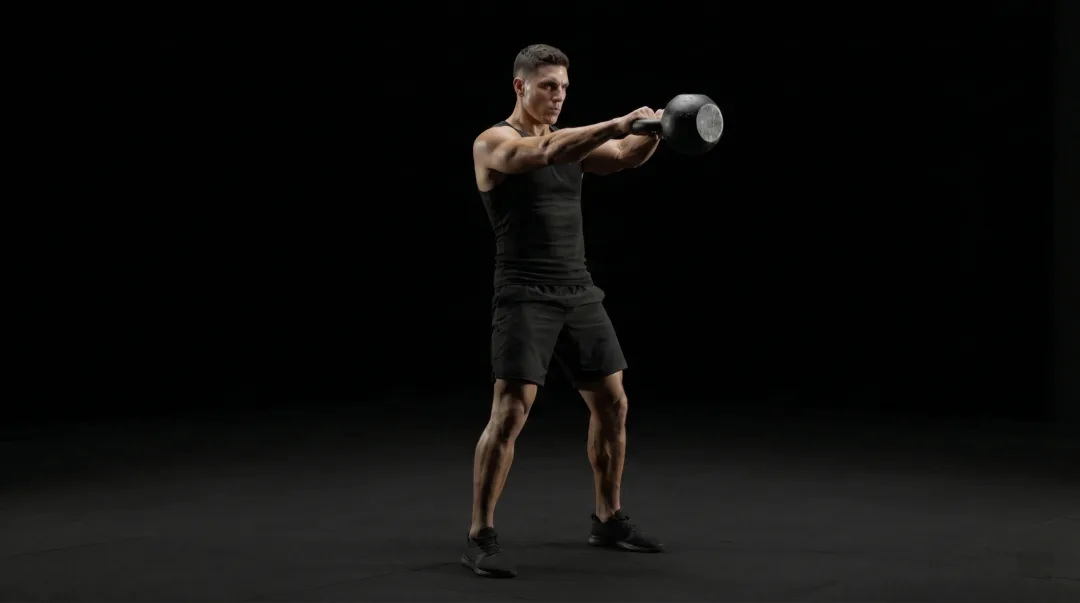
- Kettlebell swing — Same hinge family, faster. Power, not a grind.
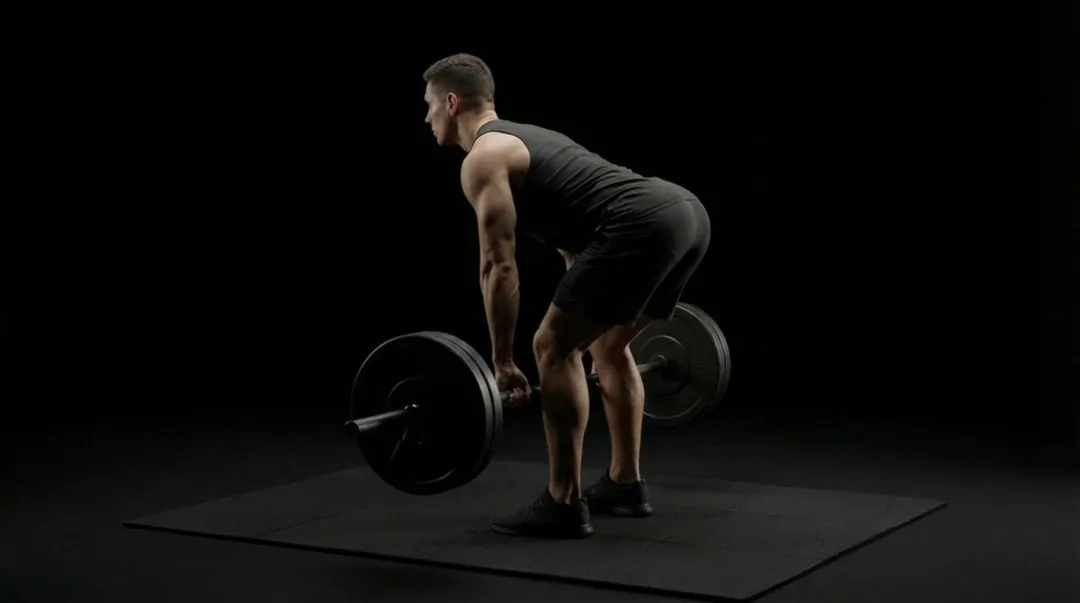
- Barbell Romanian deadlift — Slow hinge you can load when the cable is not the point.
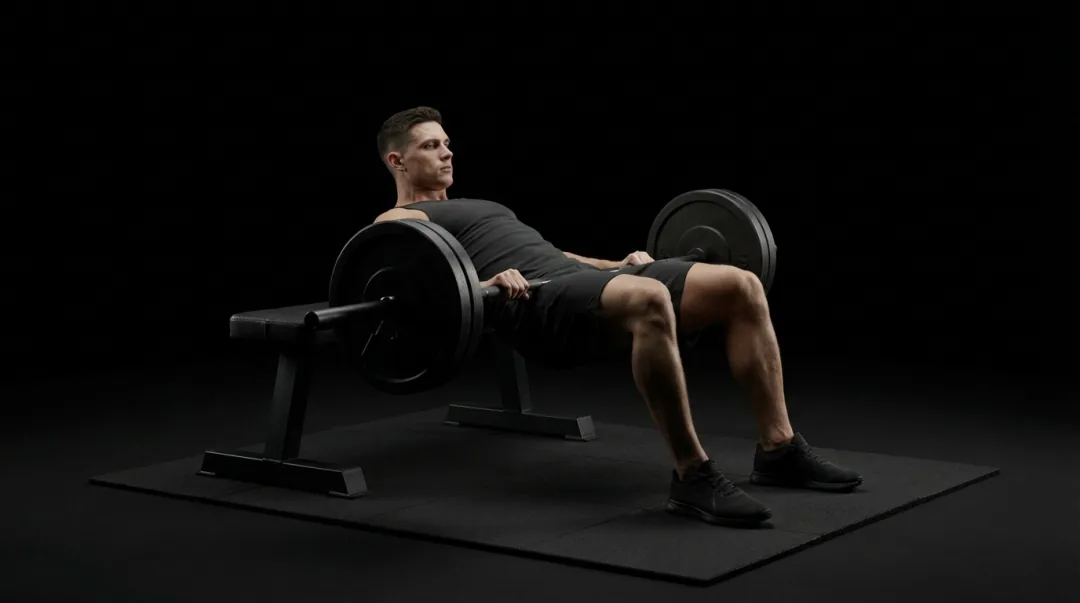
- Barbell hip thrust — Horizontal lockout on a bench when you want more range through the hip.
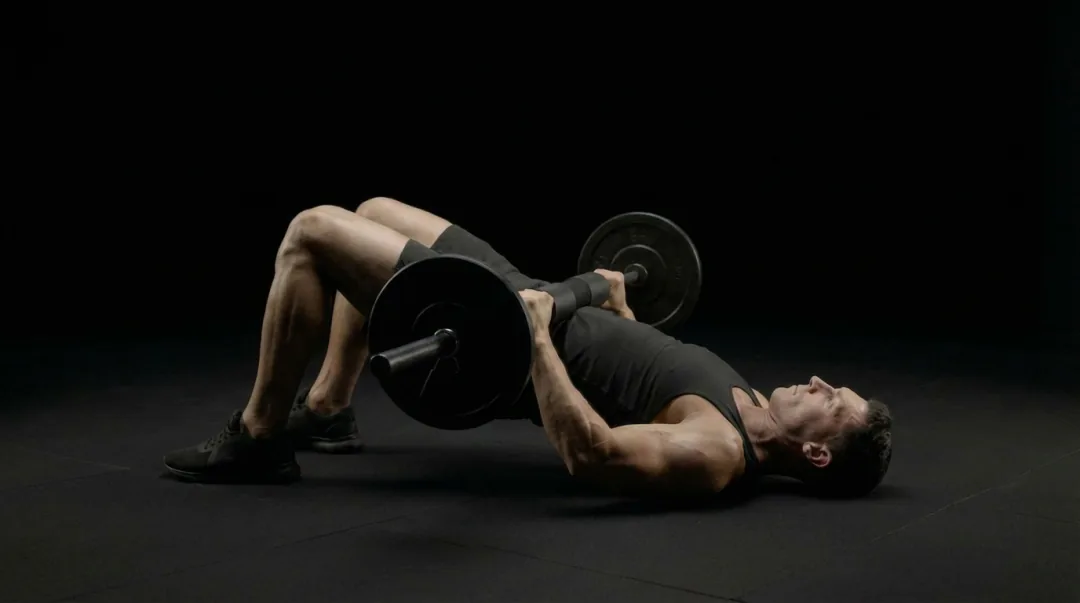
- Glute bridge — Floor version if you want a squeeze without a cable.
PROGRESSIONS
- Light stack, long hinge, plates never resting.
- Pause at lockout with ribs down before you add pins.
- Working sets of 8–15 with the same walk-out every session.
- Heavier only after the squat pattern is gone. Note the walk-out if the gym’s cable travel changes the feel.
PROGRAMMING NOTES
Glute-hinge accessory: 3–4 sets of 8–15 after the main squat or pull. Log the stack. If you swap to kettlebell swings because the cable is taken, change slug. A swing PR is speed. A pull-through PR is a grind. Mixing them is how week four lies.
EQUIPMENT ALTERNATIVES
- Kettlebell swing — No low cable. Keep the hip snap, accept the speed.
- Barbell Romanian deadlift — Default slow hinge when the tower is a queue.
- Glute bridge — Floor squeeze if you cannot stand in a cable lane.
FREQUENTLY ASKED QUESTIONS
Same hinge idea, different intent. The pull-through is a slow cable grind you can dose. The swing is a hike and a snap. Chest-height swings do not belong on this slug, and a heavy stack does not belong on kettlebell-swing. Pick the one you did.