HOW TO DO CABLE LATERAL RAISE
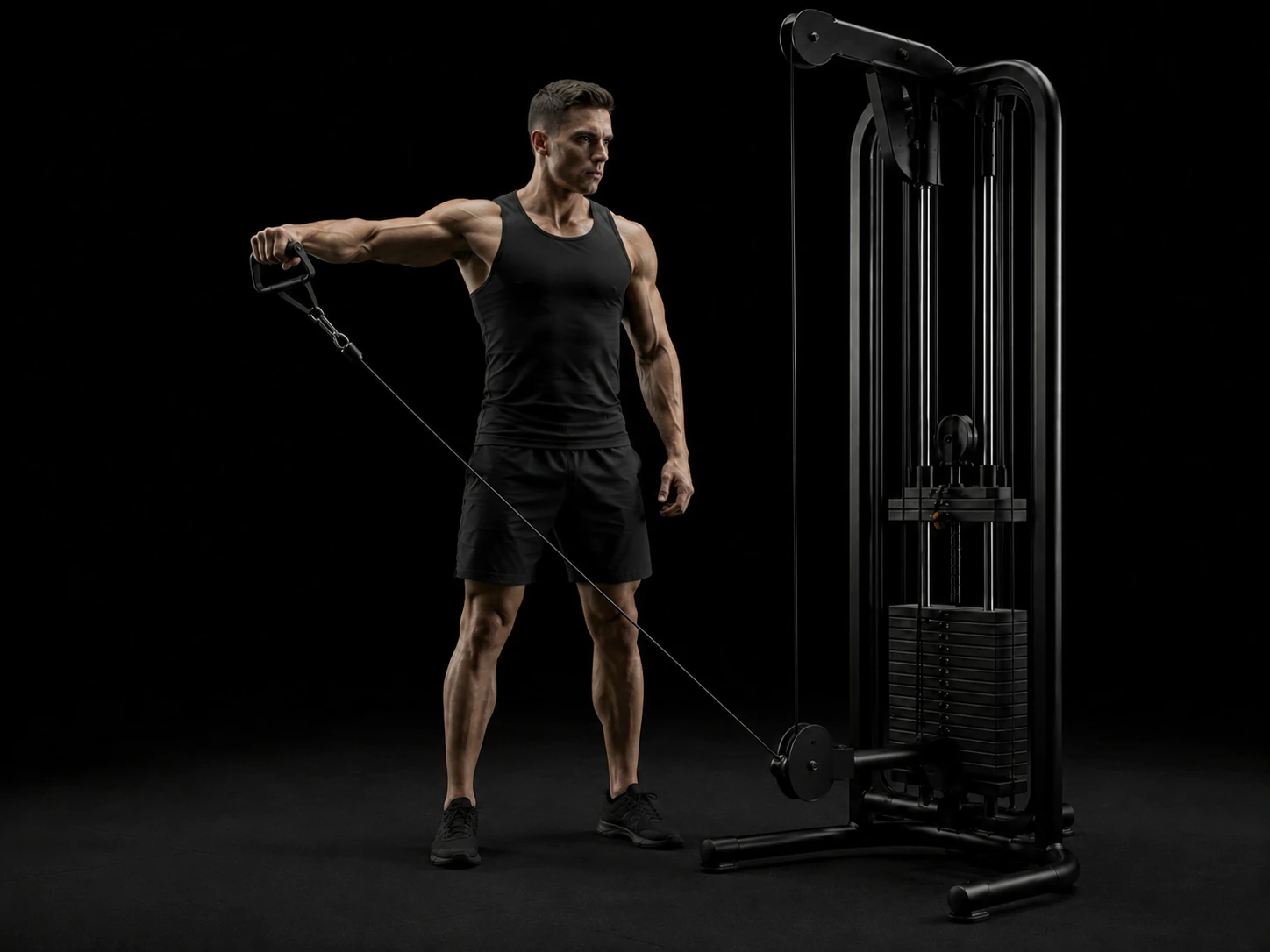
- Set a D-handle on a low pulley — ankle to mid-shin. Stand side-on so the cable runs across the body, working hand starting near the opposite hip.
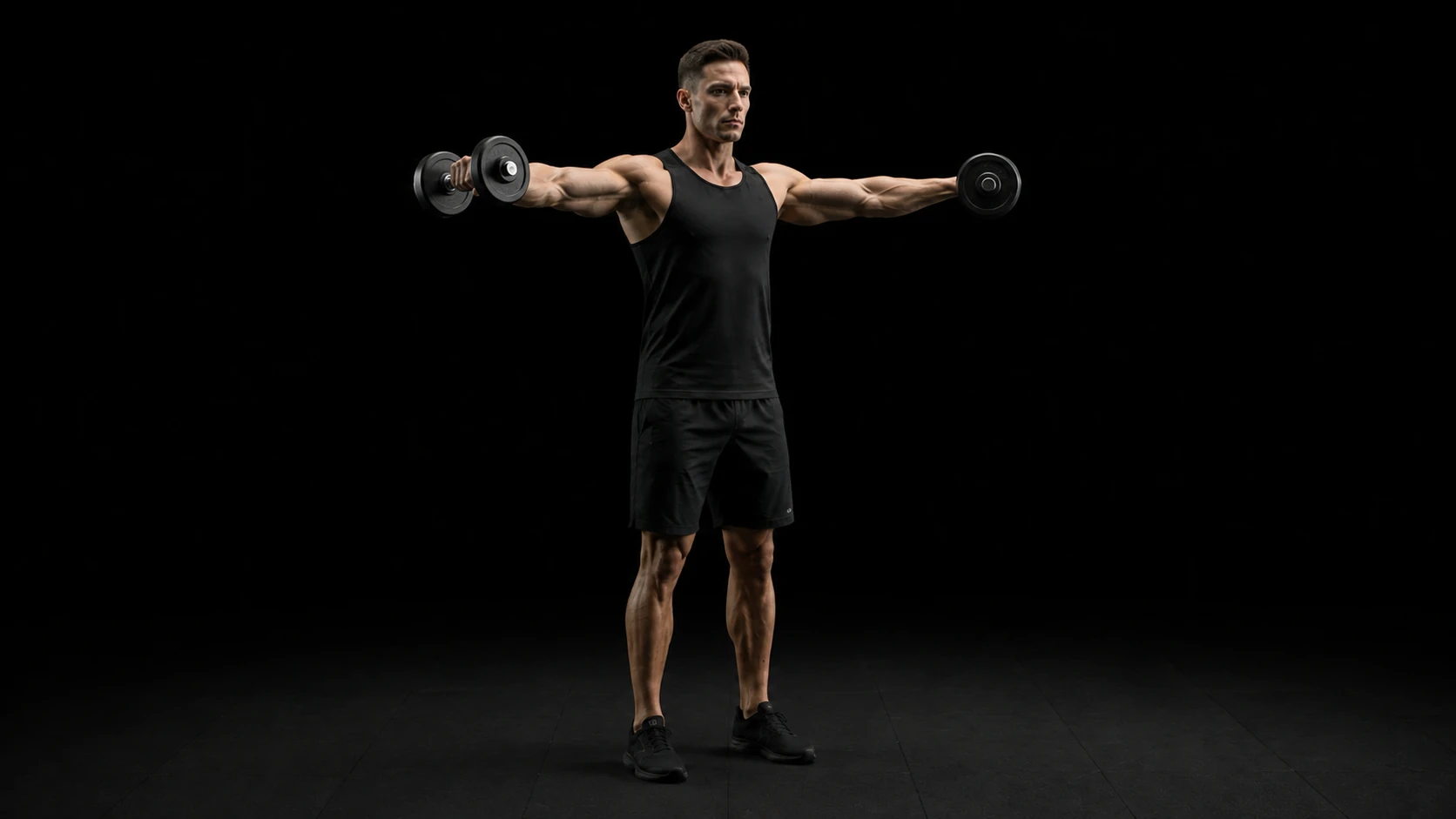
- Soft bend in the elbow, and keep that same bend. Raise until the upper arm is about parallel to the floor. Lead with the elbow, not a straight-arm swing.
- Keep the cable slightly behind the hip so the line of pull stays on the side delt. If the handle drifts in front, you are front-raising.
- Lower until the delt still has tension. The whole point of a cable is that the bottom is not a dead hang like a dumbbell.
COMMON MISTAKES
- Leaning so far away it becomes a shrug. A slight lean is a trick to keep tension. A big lean plus a hike of the shoulder is a trap exercise. Stand taller and drop the pin.
- Raising the handle to the ear. Past about shoulder height, most lifters are all upper trap. Stop when the humerus is roughly parallel unless you actually want that shrug.
- Pulley at chest height. Then the first half of the raise is empty and the top is a crunch. Low pulley. If the first 30° feels like nothing, you are standing over the stack.
- Logging both arms as two exercises. One lift. Alternate or do them together. If one side is weaker, note it — do not split the progression.
VARIATIONS
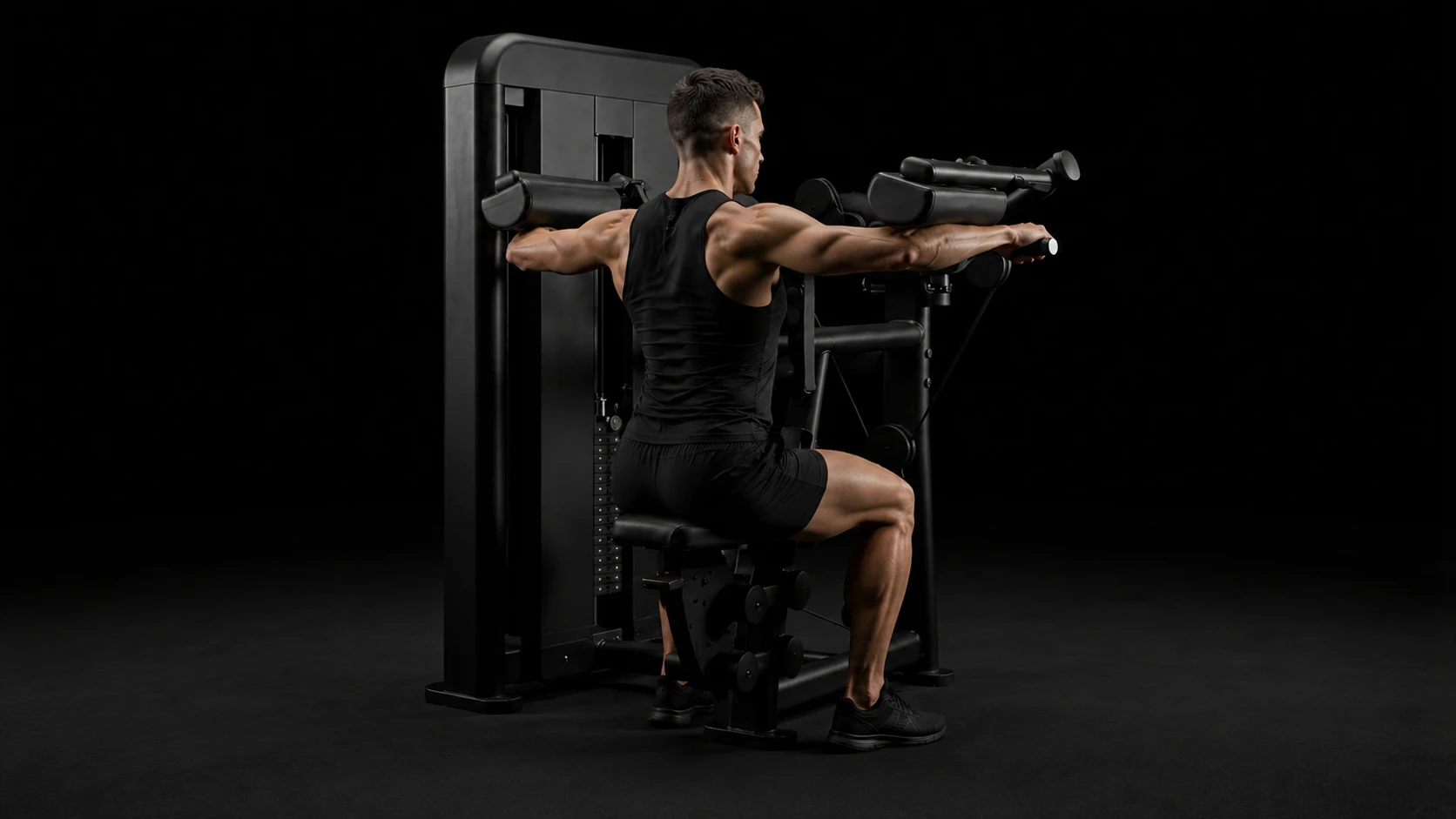
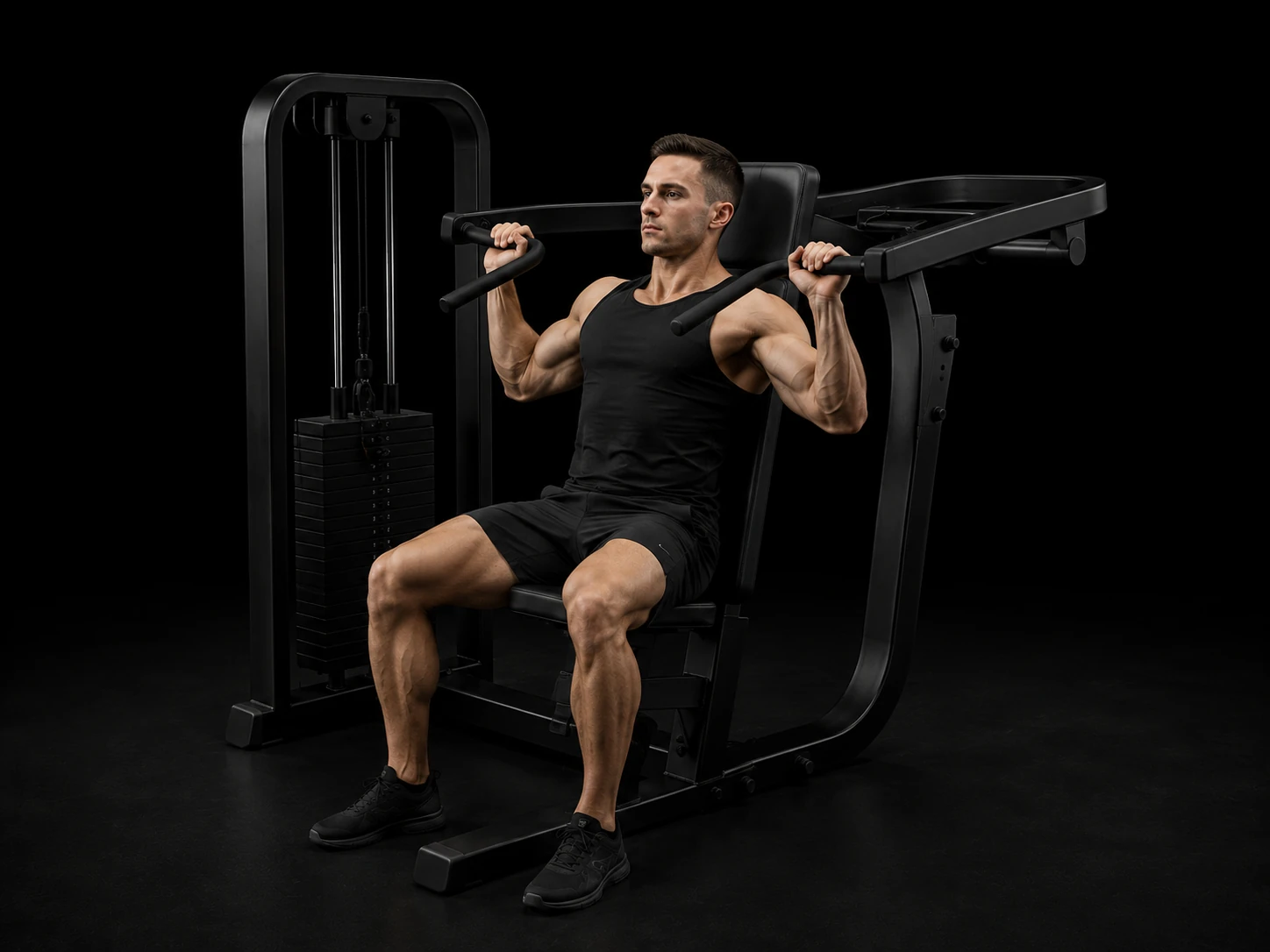
- Machine lateral raise — Pad on the elbow, less setup, both arms at once.
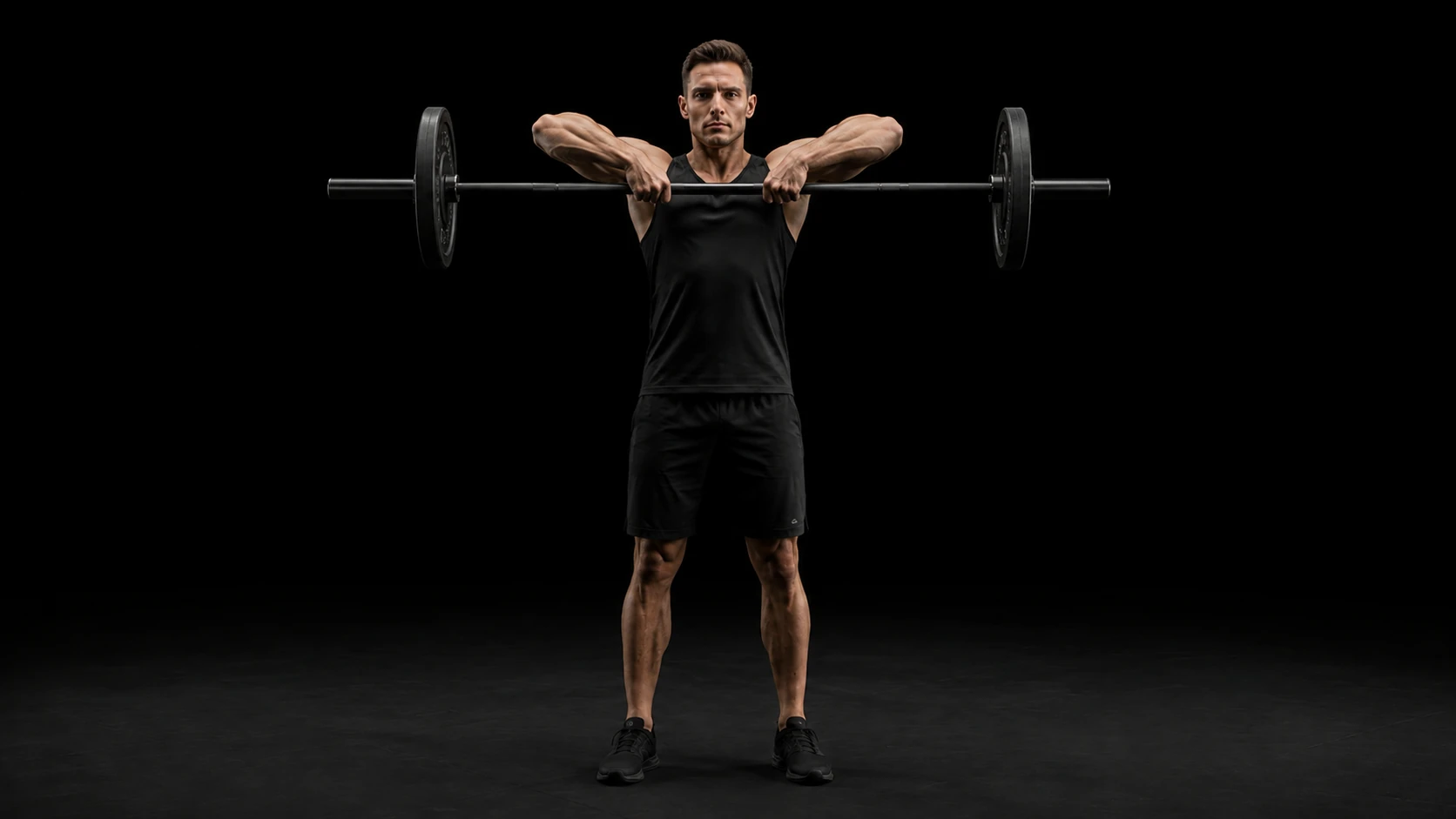
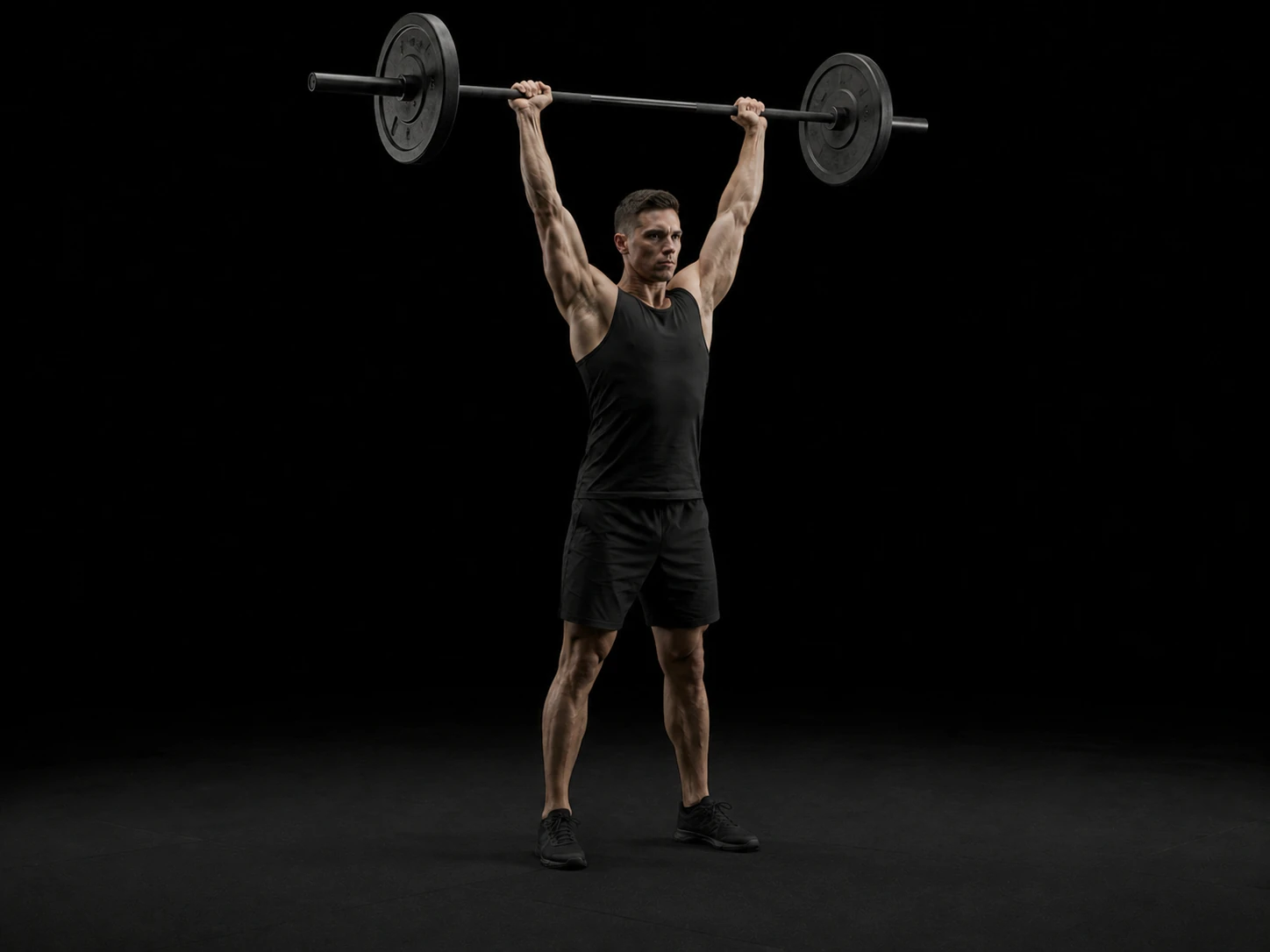
- Barbell upright row — More load, more trap, same neighborhood if the shoulder allows it.
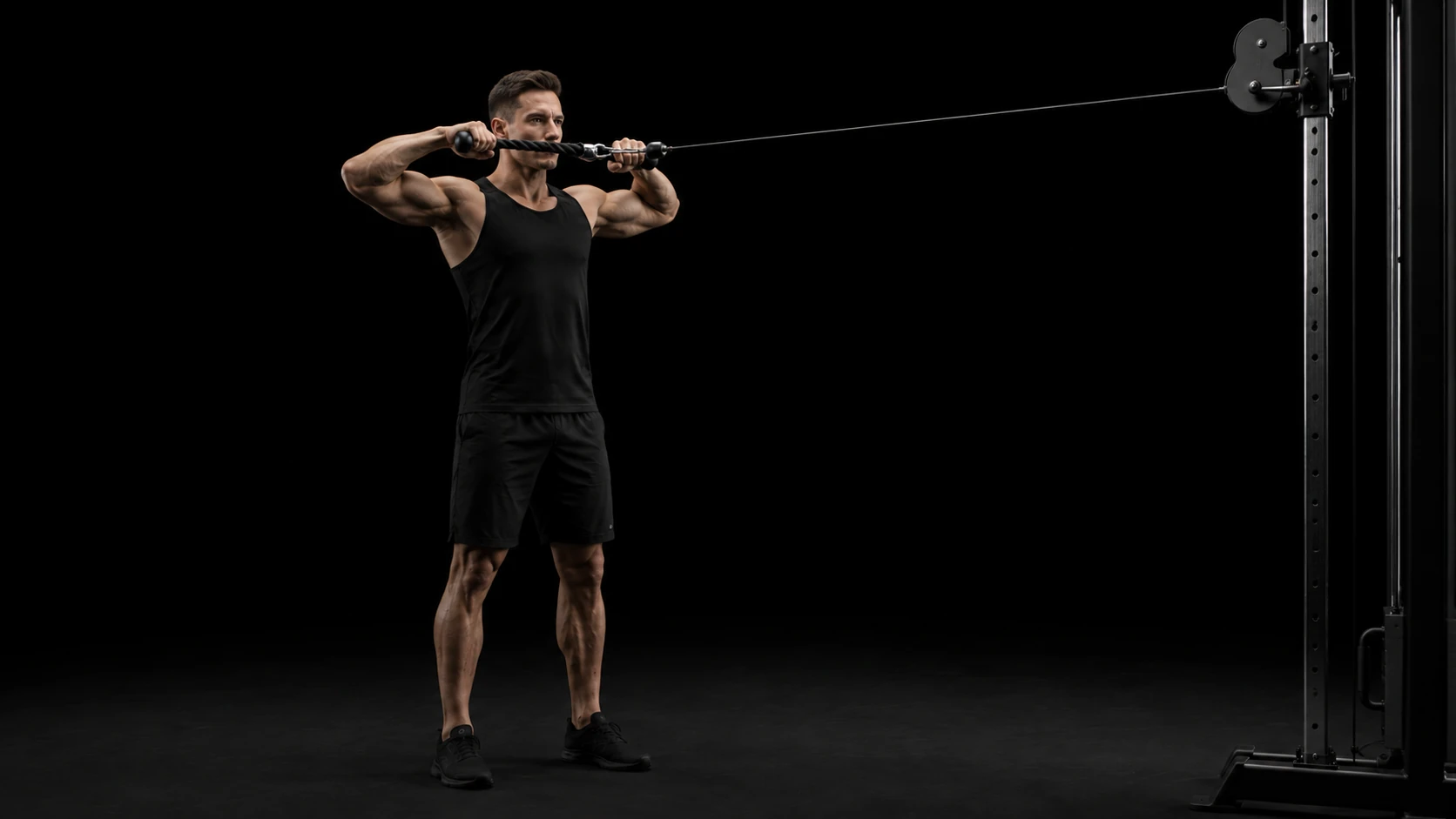
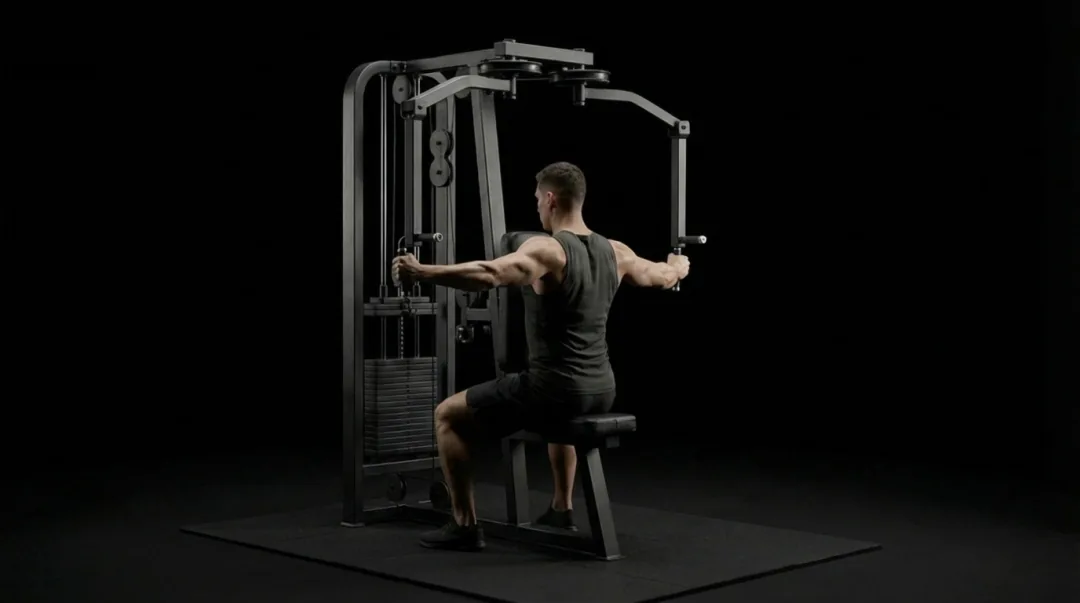
- Shoulder face pulls — Rear delt and external rotation, not side delt — pair, do not swap blindly.
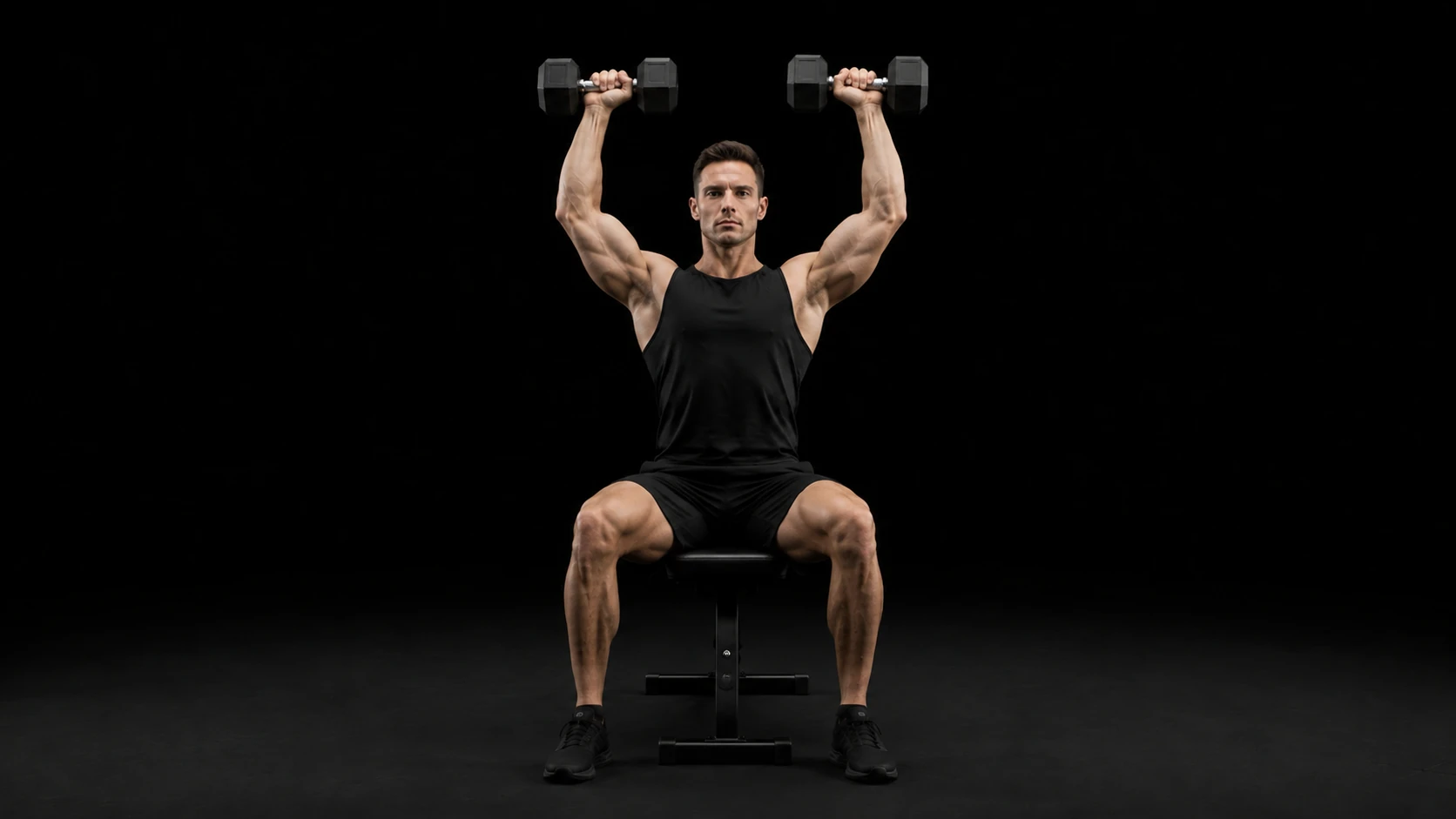
- Seated dumbbell shoulder press — The compound that laterals sit behind.
PROGRESSIONS
- Light cable, two-second raise, two-second lower, no lean.
- Add load when you can still stop at parallel without a hitch.
- Cuff around the upper arm if the handle bothers the wrist or elbow.
- Use laterals after a press, not as a fake main lift with a huge lean.
PROGRAMMING NOTES
Side-delt work is volume work. Three to four sets of 10–15 after a press, not instead of one. Cables beat swinging dumbbells at the bottom because the stack is still pulling. You do not need a LIFTAG estimated 1RM here — chase clean reps and a note if you switched from a cuff to a handle.
EQUIPMENT ALTERNATIVES
- Machine lateral raise — When every low pulley is taken, or you want both arms at once.
- Barbell upright row — Only if the shoulders like the pattern. Stop if it pinches.
FREQUENTLY ASKED QUESTIONS
Shoulder height is enough for most lifters. Going higher is usually a trap shrug. If you want traps, log dumbbell shrug. If you want side delts, stop around parallel.